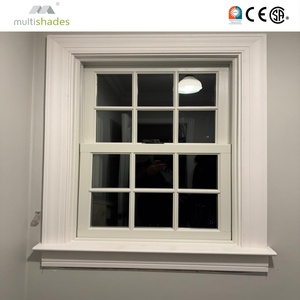
Factory Catalog
High-Performance Window & Architectural Glazing Portfolio
Engineered to satisfy stringent Russian GOST 23166-99 and GOST 30674-99 standards, our structural fenestration systems merge thermal chamber engineering with modern architectural elegance.
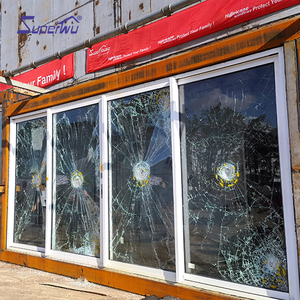
Aluminium Windows And Doors Factory Produce American Certification NFRC NOA Hurricane Impact Glass Aluminium Sliding Door System
View Details →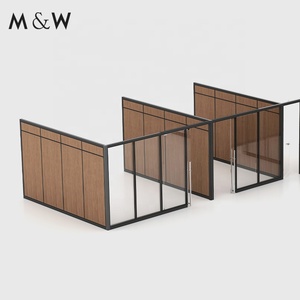
M&W Factory Manufacturer Glass Wall Panels Dividers Double Modular Aluminium Frame Office Partition
View Details →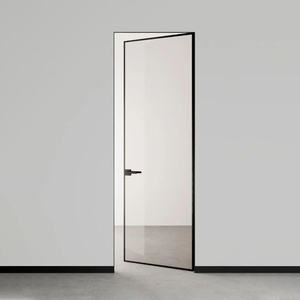
Minimal Frame Hinged Door Aluminum Glass Swing Door Soft Close Tempered Door for Office Bathroom Interior Projects
View Details →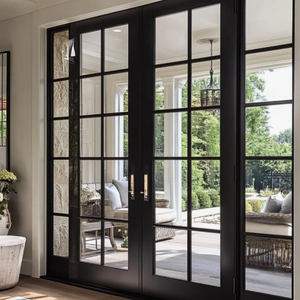
Thermal Break Aluminum French Double Swing Door, Crittall Style Grille Tempered Glass Patio Door With Smart Digital Lock
View Details →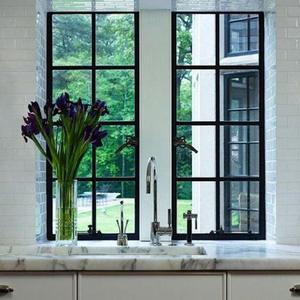
Modern High-End Aluminum Windows Soundproof Laminated Glass Low-E Glazed Inset Grill Slim Frame Waterproof for Hotels Villas
View Details →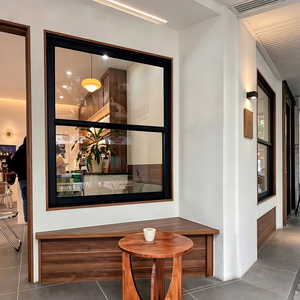
Factory Price Aluminum Window Profile Glass Kitchen windows for House Double Glaze Single Hung Window
View Details →
Complete Aluminum Window Door System | Exterior Whole House Glazing Solution 5 Year Warranty for Residential Projects Architects
View Details →25+
Years Engineering Experience
180,000㎡
Modern Manufacturing Base
600+
Skilled Technical Specialists
100+
Patents & Global Certifications
Engineering Insight
Engineering Aluminum Double Hung Windows for the Russian Climate
A technical evaluation on balancing traditional vertical ventilation dynamics with extreme thermal protection requirements across the Russian Federation.
Overcoming the Arctic Thermal Differential (ΔT ≥ 60°C)
The primary structural challenge of exporting aluminum vertical sliding and double hung windows to regions such as Moscow, Saint Petersburg, Novosibirsk, and Yekaterinburg is preventing condensation, frost heaving, and severe conductive heat dissipation. Standard architectural aluminum profiles conduct heat at approximately 160-200 W/(m·K). Without precise thermal isolation, an aluminum frame turns into an active refrigeration element indoors when exterior temperatures hit -35°C.
Our manufacturing integrates multichamber PA66 GF25 polyamide thermal barriers with depth ranges between 34mm and 45mm, delivering exceptional heat deflection. In combination with insulated glazing units (IGU) featuring warm-edge composite spacers, argon gas filling, and dual soft-coat Low-E layers, our systems deliver heat transfer coefficients as low as Uw ≤ 0.95 W/(m²·K), compliant with SNiP 23-02-2003 (Thermal Protection of Buildings).

| Structural Parameter | Standard Export Configuration | DERCHI Russia Extreme-Cold Variant | Russian Code / Compliance Standard |
|---|---|---|---|
| Thermal Insulation (Uw / Ro) | Uw ~ 1.6 W/(m²·K) [Ro = 0.62] | Uw ≤ 0.92 W/(m²·K) [Ro ≥ 1.08 m²·°C/W] | GOST 26602.1-99 (Class A1) |
| Air Permeability | Class 3 (EN 12207) | Class 4 / Class A (Q ≤ 3 m³/(m²·h)) | GOST 26602.2-99 |
| Water Tightness | Class 7A (300 Pa) | Class 9A / Class A (≥ 600 Pa) | GOST 26602.2-99 |
| Balance Spring Durability | 10,000 cycles | ≥ 30,000 cycles with cold-rolled spring steel | GOST 23166-99 |
| EPDM Perimeter Gasket | Standard Vulcanized (-20°C rating) | Modified EPDM / TPE (-50°C elastic resilience) | GOST 30778-2001 |
Architectural Applications
Localized Application Scenarios Across the Federation
Adapting architectural vertical-slide functionality to historic restoration, premium suburban housing, and modern urban high-rises.
Historic Revitalization (St. Petersburg & Moscow)
Preserving the architectural heritage of 19th-century facade profiles without sacrificing thermal performance. Our aluminum double hung windows incorporate exterior Georgian bars and narrow sightlines that respect strict heritage protection regulations, providing concealed multi-spring counterbalance mechanisms that operate smoothly despite thick, triple-glazed acoustic packages.
Luxury Suburban Cottages (Rublyovka, Leningrad Oblast)
High-end suburban detached residences frequently suffer from draftiness and space-conflict issues with traditional inward-tilt casements. Double hung windows eliminate window-sill clutter in kitchen and master suites, providing vertical natural ventilation (drawing cool air low, flushing warm stagnant air high) without exposing delicate drapery to window drafts.
Boutique Hotels & Commercial High-Density Envelopes
In mid-to-high-rise boutique projects where wind loads and building envelope safety are critical, out-swing windows carry shear dangers during seasonal gales. Vertical sliding systems remain flush within the building envelope, offering wind resistance ratings up to Class A under GOST 26602.5-99 with Zero fall-out operational profiles.
Strategic Trajectory
Localization Market Trends: 2025-2030 Fenestration Shift
Market dynamics, supply-chain reorientation, and technical shifts across the Russian building sector.
The Rise of High-Precision Aluminum over PVC
While PVC dominated traditional housing, developers in top Russian tier-1 and tier-2 metros are pivoting toward thermal-break aluminum. Aluminum provides structural longevity (>50 years) without yellowing, sagging, or warping under the intense 70°C seasonal thermal swings typical of continental Eurasian climates.
Energy Passports & Strict ESG Efficiency
With energy efficiency ratings now strictly mandatory for state-accredited civil engineering works, building envelopes require verified heat retention metrics. Triple-glazed systems with krypton/argon infill and warm perimeter spacers are migrating from luxury items to standard spec sheet baselines.
Shift to Direct High-Capacity Chinese Manufacturing
Sanctions and European supply disruptions created an urgent requirement for tier-one global suppliers possessing industrial scale, direct logistics options (rail/sea), and international compliance certifications like ISO9001 and CE to replace German systems like Schüco with zero loss of engineering precision.
Tilt-Wash Ergonomics for High-Floor Maintenance
Modern double hung designs featuring inward-tilting sashes allow interior cleaning of exterior glass surfaces without hiring industrial rope-access teams—a transformative selling point for multi-family residential complexes facing heavy winter road-grime accumulation.
The DERCHI Edge
Why Top Russian Developers & Importers Partner with DERCHI
An enterprise-grade production infrastructure built to eliminate risks for international construction programs.
180,000㎡ Mega Manufacturing Hub
Headquartered in Foshan, China's aluminum epicenter, our facility incorporates precision CNC machining centers, automated thermal-strip assembly, automated IGU lines, and dust-free fluorocarbon powder coating workshops. With 600+ skilled personnel, we guarantee strict lead-time stability for large-volume container loads.
Exceeding Stringent European Benchmarks
As confirmed by international project builders, our fenestration systems perform on par with elite German systems. Accredited with CE, ISO9001, AS2047 (Australian N6 highest rating), and NFRC/UL certifications, our testing reports provide rigorous proof of wind load resistance, air tightness, and structural deflection.
Comprehensive Project Logistics & Engineering
Our dedicated overseas export department prepares complete CAD shop drawings, glass stress calculations, and structural anchoring schematics. Furthermore, we handle specialized maritime sea-freight packaging and rail container routing via Manzhouli or Vladivostok to St. Petersburg and Moscow customs terminals.
Procurement Knowledge Base
Frequently Asked Questions: Russian Sourcing & Compliance
Clear, technical, and commercial answers for Russian project developers, architects, and procurement teams.
1. How do you prevent double hung aluminum windows from freezing stuck during Russian sub-zero winters?
Freezing occurs when interior moisture condenses along the slide tracks and glazes over due to perimeter thermal bridging. We mitigate this through three engineered layers: First, we deploy multi-cavity PA66 GF25 thermal breaks that prevent cold transfer from outer aluminum to internal track guides. Second, our tracks incorporate concealed internal drainage weep-holes equipped with one-way baffle flaps that stop wind backdraft while evacuating melted frost. Third, our slide weatherstripping uses silicone-treated fin-seal gaskets and modified EPDM that preserve elasticity down to -50°C without hardening or sticking.
2. Can your aluminum profiles and glass units meet Russian GOST insulation benchmarks?
Yes. Standard Russian residential mandates (GOST 23166-99 and SNiP 23-02-2003) demand reduced heat transfer resistance (Ro) between 0.55 and 1.0 m²·°C/W depending on degree-day heating requirements (GSOP). Our cold-climate series utilizes 75mm to 90mm frame depths paired with triple glass packages (e.g., 4Low-E + 14Ar + 4Clear + 14Ar + 4Low-E) featuring warm composite edge spacers. We supply certified third-party laboratory test reports validating overall thermal transmittance values compliant with Class A1 building specifications.
3. What balance hardware is used, and how does heavy triple glazing affect operation?
Triple glazing significantly increases sash weight (often exceeding 35–50 kg per moving sash). Conventional spiral balances fail under such cyclical dynamic loads in sub-zero temperatures. DERCHI utilizes high-grade constant-force spring balances fabricated from cold-worked surgical-grade stainless alloy, tested beyond 30,000 continuous cycle movements. The balances are factory-calibrated exactly to the verified glass weight, enabling effortless finger-touch upward and downward operation.
4. What are the logistics routes, lead times, and customs documentation provided for Russia?
We provide comprehensive export-ready documentation: Commercial Invoice, Packing List, Certificate of Origin, and technical passport blueprints required for Russian customs classification (TN VED code 7610 10 000 0). Shipments are transported either by direct sea-freight to Vladivostok/Novorossiysk/St. Petersburg or via direct China-Europe express container rail lines arriving directly at Vorsino/Bely Rast terminals near Moscow within 18–25 days from departure. Every crate is reinforced with solid fumigated plywood, moisture-barrier wrapping, and corner anti-shock protectors.
5. What surface finishes are recommended to resist winter road salts and chemical smog?
For urban centers like Moscow or coastal zones such as Vladivostok and Sochi, we recommend Qualicoat Class 2 certified powder coating or architectural-grade PVDF (fluorocarbon) finishes. PVDF finishes possess extreme resistance to aggressive de-icing salts, chemical aerosols, intense UV radiation, and acid rain, backed by a 20-year non-chalking, non-peeling warranty.
Plan Your Architectural Glazing Project with Industry Experts
Submit your window schedules, project elevation drawings, or thermal specification requirements. Our specialized international engineering team provides comprehensive shop drawings, load calculations, and competitive factory-direct quotations within 24 hours.
Contact Us