Engineered Aluminium Mosquito Mesh Doors & Architectural Fenestration
Explore our heavy-duty insect screening systems, architectural pivot entrances, and high-performance insulated door units built to exceed AS2047, CE, and ISO9001 standards.
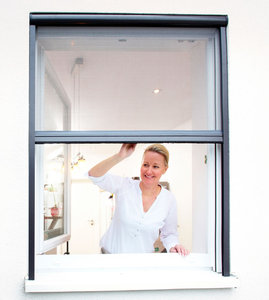
Custom Retractable Aluminum Mosquito Screen Net Window
Precision vertical sliding insect screen fitted with tear-resistant fiberglass or high-tensile coated micro-mesh.
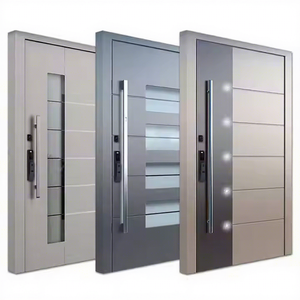
Modern Villa Pivot Security Entry Door Aluminium Metal Exterior
Grand-scale entry door featuring integrated stainless mesh internal ventilation and concealed pivot hardware.
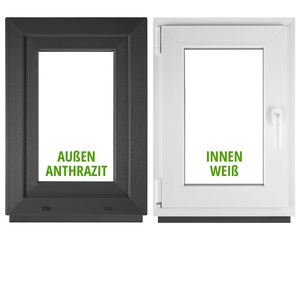
DIN Outer Aluminum Anthracite Window Double Glazing 32mm Heat Protection
Heavy-duty insulated aluminium framing compatible with integrated anti-pest steel wire screens for subterranean installations.
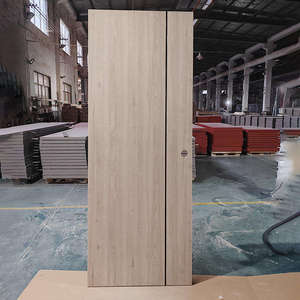
Modern Fire Rated MDF Fiberglass Interior Doors Minimalist Design
Architectural door partitions delivering certified acoustic isolation, draft exclusion, and fire barrier integrity.
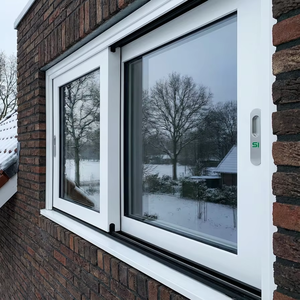
Two Track Sliding Balcony Window Tempered Double Glazed Soundproof
Thermal-break aluminium profile with dedicated integrated tracks for 304/316 marine stainless security insect mesh.
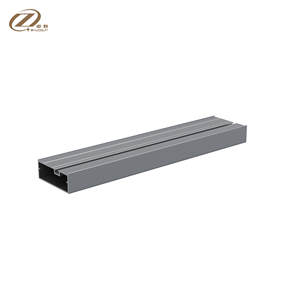
Customized Insect Protection 6000 Series Aluminum Door Frame Precision Bending
Engineered 6063-T5 extrusions with corner crimping and micro-welding for high-rigidity security fly screen doors.
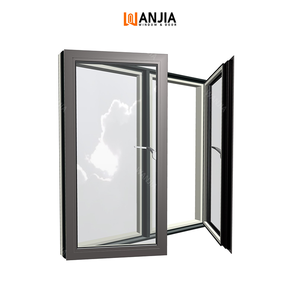
NFRC Energy Star Aluminium Black Casement Windows Double Glazed
Certified thermal rating paired with internal magnetic or hinged high-transparency stainless steel insect screens.
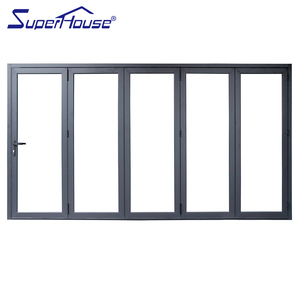
Superhouse Aluminum Folding Doors Aluminium Bifold Patio Doors
Heavy-duty concertina bifold profile compatible with integrated pleated or motorized tracking mosquito mesh screens.
1. Technical Engineering of Modern Aluminium Mosquito Mesh Doors
Modern insect defense systems have evolved far beyond lightweight flexible screens. In commercial high-rises, coastal estates, and public buildings, an aluminium mosquito mesh door functions as a structural fenestration barrier. It must withstand dynamic wind pressures, prevent unauthorized intrusion, resist harsh environmental oxidation, and maintain visual transparency and natural cross-ventilation.
Achieving this level of performance requires strict metallurgical standards. Using primary 6063-T5 or 6063-T6 architectural-grade aluminium extrusions guarantees superior tensile yield strength compared to recycled scrap melts. Structural frame corner keys utilize hydraulic corner crimping alongside two-component polyurethane bonding paste, preventing frame sag over decades of heavy cycling.
| Mesh Material Type | Wire Diameter | Tensile Strength (MPa) | Primary Corrosion Rating | Typical Architectural Application |
|---|---|---|---|---|
| Marine Grade 316 SS | 0.80mm - 0.90mm | ≥ 900 MPa | ASTM B117 Salt Spray > 3,000 hrs | Anti-theft security mesh doors, coastal villas |
| High-Tensile 304 SS | 0.50mm - 0.70mm | ≥ 750 MPa | ASTM B117 Salt Spray > 1,000 hrs | Residential barrier doors, urban developments |
| PVC-Coated Fiberglass | 0.28mm | Flexible Yarn | UV Stabilized (QUV > 2,000 hrs) | Retractable cassette screens, sliding patio screens |
| Woven Aluminium Wire | 0.38mm - 0.45mm | ≥ 240 MPa | Anodized / Powder Coated | Commercial low-rise, cost-effective barriers |
2. Procurement Trends: The Next Decade of Screen Fenestration
Global architectural procurement has pivoted toward products that balance building envelope decarbonization with durable multi-functionality. Analysis of project specifications across North America, Australasia, and South America highlights four macro procurement trends:
Multi-Tier Hybridization
Developers increasingly specify triple-track systems combining exterior thermal-break glass panels, motorized blackout shades, and stainless steel micro-mesh insect screening within a unified sill extrusion.
Solar Reflectance Coatings
Next-generation mesh coatings reflect direct infrared solar radiation without compromising indoor lux levels, measurably lowering peak cooling demands in tropical and equatorial regions.
Smart Multi-Point Hardware
High-security mesh screen doors now integrate concealed smart locking systems, motorized biometric access, and status reed switches connected directly to building management systems (BMS).
Consolidated procurement continues to replace fragmented purchasing. Commercial builders now require the primary fenestration supplier to deliver pre-hung, factory-tested sub-assemblies—guaranteeing that mesh tension, lock alignment, and thermal performance values match the verified master schedules.
3. Industry Development & Manufacturing Innovation
The manufacturing process for aluminium mesh doors has transformed from manual field fabrication into precision automated CNC manufacturing. High-precision laser cutters machine custom miters to within ±0.1mm tolerances, while CNC corner crimpers deliver consistent joint strength across thousands of production units.
Surface Treatment Technology
For seaside properties and high-humidity areas, standard powder coating provides insufficient salt spray protection. Top-tier manufacturers now employ a multi-stage pre-treatment wash (fluorozirconic acid passivation) followed by Class 2 Superdurable architectural polyester powder coatings or PVDF (polyvinylidene fluoride) fluorocarbon coatings. These meet AAMA 2604/2605 requirements, resisting color chalking, blistering, and electrochemical degradation for over 20 years.
Black Wire Coating Innovation
Standard galvanized wire screens degrade when exposed to acidic coastal conditions. Leading factories employ specialized electrodeposition (E-coating) paired with specialized epoxy powders on surgical-grade stainless wires. This process produces an ultra-smooth, uniform black surface that eliminates optical glare, sharpens daylight visibility, and resists abrasion from household pets and seasonal grit.
4. Enterprise Strengths: Why Partner With DERCHI / Guangdong Dejiyoupin
Headquartered in Foshan, Guangdong—the global epicenter of aluminium engineering—DERCHI (Guangdong Dejiyoupin Doors and Windows Co., Ltd.) ranks among the premier fenestration manufacturers in China. Our continuous investment in material science and production capacity offers distinct advantages to international project teams:
180,000㎡ Production Base
Our centralized facility accommodates automated extrusion lines, precision glazing halls, screen weaving workshops, and advanced testing bays running under ISO9001 quality systems.
Global Code Certification
DERCHI systems carry full verification under AS2047, Australian N6 cyclonic testing, CE markings, ISO9001 management, and UL fire-rated certifications.
End-to-End Technical Documentation
Our dedicated engineering department prepares free project CAD shop drawings, static wind load calculations, and tailored container packing schemes that streamline local import clearance.
5. Frequently Asked Procurement Questions (FAQ)
How does 316 Marine Grade mesh compare to 304 Grade for insect and security doors?
316 stainless contains 2% to 3% molybdenum, significantly boosting resistance to pitting corrosion in chloride-rich seaside environments. For projects within 10 km of coastlines, 316 grade is the recommended specification; for inland regions, 304 grade provides reliable tensile strength and long-term service life.
What minimum aluminium frame profile thickness is required for heavy residential traffic?
Architectural building codes generally demand a minimum extrusion wall thickness of 1.4mm to 2.0mm for operable exterior screen doors. For large pivot entrances or oversized sliding leaves exceeding 2.7m in height, DERCHI specifies structural wall profiles of 2.5mm to 3.0mm to eliminate leaf deflection.
Can insect mesh screens integrate into pre-existing bifold or sliding patio openings?
Yes. Custom sub-frames, barrier channels, and recessed bottom guides allow retrofitting or integrated factory production. Pleated retractable mesh cassettes require only 45mm of jamb depth, while heavy-duty security sliding panels operate along dedicated parallel tracks.
How does the factory protect finished surfaces during international sea transit?
Every frame leaf is wrapped in a 0.08mm protective poly film, corner-guarded with high-density EVA foam protectors, encased in moisture-barrier bubble wraps, and secured inside steel-banded, fumigated solid plywood crates tailored for fork-truck loading and unloading.