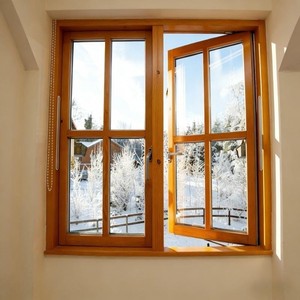
Acoustic • Uw 0.79 W/m²K
Specially engineered for premier luxury villas, passive low-energy residential envelopes, and historic restoration. Combines exterior heavy-duty extruded marine-grade alloy with interior FSC-certified architectural hardwood.
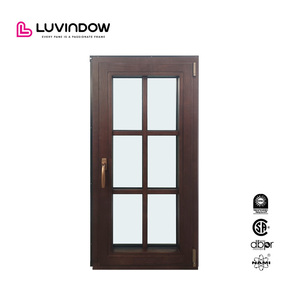
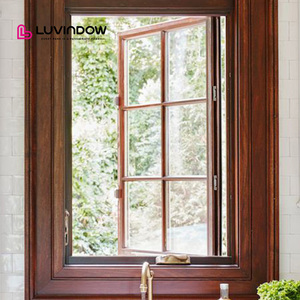
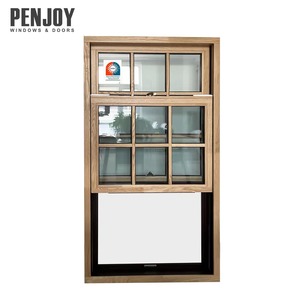
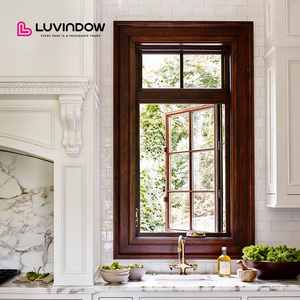
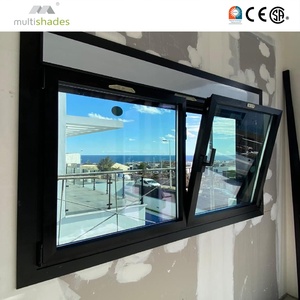
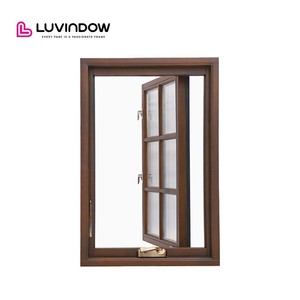
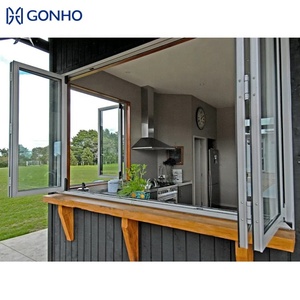
Strictly manufactured in accordance with EN 14351-1 CE benchmarks, NFRC thermal standards, and AS2047 acoustic/water tightness testing, ensuring frictionless import clearances globally.
Consolidate custom architectural aluminium wood windows, exterior pivot doors, thermal bifold systems, and interior architectural millwork into standardized, moisture-controlled shipping containers.
Eliminate on-site installation variance. Our in-house technical engineering center provides structural loading, wind load verification, and complete architectural shop drawing details prior to tooling.
Aluminium wood composite window systems represent the pinnacle of architectural fenestration, resolving the fundamental paradox of modern building envelopes: how to deliver the natural, tactile warmth and thermal damping of solid timber while achieving the extreme weatherability, torsional stability, and zero maintenance of architectural aluminium. In harsh coastal, high-UV, or extreme thermal swing climates, simple timber frames deteriorate via moisture ingress, UV degradation, and warping, whereas standard thermal-break aluminium systems can suffer from surface cold-bridging and acoustic transmission.
Our CE certified engineering integrates multi-laminated knot-free solid timbers (such as American White Oak, Siberian Larch, or Sustainable Teak) precision-machined via 5-axis CNC joinery, decoupled from the outer 6063-T6 architectural aluminium extrusion through patented high-density composite nylon-polyamide sliding clips. This decoupling provides an engineered thermal barrier while intentionally accommodating the disparate coefficients of thermal expansion (ΔL) between metals and natural wood fibers without inducing frame distortion, air leakage, or sealant rupture.
Our argon-gas injected, warm-edge triple glazed insulated glass units achieve center-of-glass Ug values as low as 0.5 W/m²K, eliminating condensation and radiation chill even when exterior temperatures plummet to -30°C.
Three to four concentric layers of vulcanized automotive-grade EPDM foam gaskets form a hermetic isobaric pressure-equalized rain-screen chamber, achieving Class 4 Air Permeability (EN 12207) and Class 9A Water Tightness (EN 12208).
By pairing varying densities—high-density exterior alloy, micro-cellular thermal breaks, acoustic PVB interlayer glass, and dense solid hardwoods—resonance frequencies are shattered, yielding sound attenuation figures surpassing Rw 45dB.
Strategic purchasing managers, real estate developers, and architectural specifiers are navigating a structural shift in global supply chains. Understanding these four macro trends secures margin predictability and code compliance through 2030.
European and American green building standards (LEED v4.1, BREEAM) now calculate whole-life carbon. Sourcing aluminium-clad windows made with sustainably farmed timber and low-carbon hydro-smelted aluminium drastically improves building Environmental Product Declarations (EPDs).
Procurement schedules increasingly demand concealed European tilt-turn gearing integrated with automated trickle ventilation and smart building management system (BMS) magnetic reed contact sensors, pre-wired at the factory level.
To counteract escalating jobsite labor costs across North America, Europe, and Australia, tier-1 buyers require fully assembled window subframes with pre-applied exterior self-adhesive vapour-permeable membranes, converting site work to rapid modular plug-and-fix installs.
Essential guidance on certifications, structural engineering, logistical crating, and climatic adjustments for foreign trade and project procurement.
CE Certification guarantees that the fenestration products fulfill essential European harmonized standard EN 14351-1 requirements covering load-bearing capacity of safety devices, air permeability, water tightness, acoustic reduction, and thermal transmittance. Possessing third-party laboratory verified CE test reports streamlines technical clearance with municipal building control departments and insurance adjusters internationally.
Timber elements are kiln-dried to an equilibrium moisture content of 10% (±2%) and finished with a three-layer micro-porous breathable water-borne acrylic coating (Remmers or Becker). For trans-oceanic freight, each unit is vacuum-sealed with desiccant modules and crated in fully enclosed, fumigated ISPM-15 plywood cases to eliminate exposure to marine container humidity.
Yes. Utilizing thick-walled exterior extrusions (up to 2.2mm wall thickness) engineered in synergy with structural solid laminated mullions, our systems withstand wind pressures exceeding 4500 Pa (equivalent to Category 5 hurricanes and verified under AS 2047 N6 and ASTM E330 cyclic testing).
We configure double and triple-glazed units using Saint-Gobain Planitherm or Guardian Low-E glass with warm-edge composite spacers (Swisspacer or Technoform), filled with 90% Argon gas. For passive solar cooling regions, we specify double-silver solar control Low-E coatings with a low Solar Heat Gain Coefficient (SHGC ≤ 0.25).