Architectural Fenestration Systems
Precision Engineered Exterior Doors & Windows
Designed to Japanese JIS and international thermal, seismic, and structural standards for multi-family, commercial, and high-end residential applications across Greater Nagoya.
Nagoya Fenestration Market Intelligence
1. Executive Sourcing Landscape: Aluminum Brown Doors in Greater Nagoya
The Greater Nagoya metropolitan area (Aichi Prefecture) constitutes Japan's third-largest economic node, serving as the nucleus of the nation's automotive, machinery, and precision manufacturing sectors. As urban development accelerates around transport nodes like Meieki (Nagoya Station), Sakae, and the peripheral industrial zones of Kanayama and Toyota City, building requirements for high-performance exterior entry doors have undergone significant structural modernization.
Historically dominated by domestic corporate fabricators such as LIXIL Corporation, YKK AP, and Sankyo Tateyama, the Japanese fenestration supply chain is increasingly turning to advanced Tier-1 original equipment manufacturers (OEMs) and certified international factories. Japanese general contractors (Zenecon), regional pre-engineered housebuilders (Housemaker), and commercial design firms require agile direct-to-factory partnerships capable of executing custom dimensions, heavy thermal-break cross-sections, and rapid production cycles while adhering meticulously to JIS A 4702 (doorsets) and JIS A 4706 (windows).
The architectural preference for aluminum brown doors—spanning deep umber, anodized bronze (Shingō-iro), textured matte chocolate, and hyper-realistic fluoropolymer heat-transfer woodgrains—is deeply rooted in Chubu’s regional aesthetic. These colorways seamlessly reconcile contemporary minimalist facades with traditional Japanese timber accents, avoiding the harsh glare of raw metallics while outlasting organic cedar or cypress against urban weathering and fungal degradation.
2. Technical Evaluation: Top 10 Factory & Supply Attributes for Chubu Architectural Projects
When selecting an aluminum brown door manufacturer for projects spanning the Nagoya Port coastal strip to the inland microclimates of Gifu and Mie, structural engineers must weigh production capacity, alloy chemistry, thermal compliance, and hardware integration. Below is an engineering evaluation matrix of key manufacturing criteria:
| Evaluation Parameter | Tier-1 Integrated Factory Standard | Commodity / Broker Supplier | Nagoya Architectural Relevance |
|---|---|---|---|
| Alloy & Extrusion Quality | Primary 6063-T5 / 6063-T6 virgin billets; 2.0mm–3.0mm structural wall thicknesses | Recycled aluminum scrap; inconsistent wall thickness (<1.4mm) | Withstands typhoon-level wind loads along Ise Bay and seismic micro-distortions |
| Brown Surface Chemistry | Electrophoretic coating, PVDF Fluorocarbon (AAMA 2605), Qualicoat Class 2 | Standard single-coat powder spray; prone to chalking within 24 months | Resists UV degradation and airborne chemical particulates across Chubu's industrial corridors |
| Thermal Insulation (U-Value) | Multi-chamber polyamide (PA66GF25) thermal breaks; Uw ≤ 1.4 W/m²·K | Non-broken aluminum or basic PVC spacers; Uw ≥ 3.5 W/m²·K | Complies with Japan's revised Energy Conservation Act (Shoene-hō) Class 4/5 standards |
| Water & Air Tightness | JIS A-4 grade air infiltration; JIS W-5 watertightness rating | Uncertified or JIS A-2 / W-2 equivalents | Protects low-lying waterfront properties near Minato and Nakagawa wards from heavy monsoon wind-driven rains |
| Heavy Architectural Pivot Gear | Hydraulic floor springs, concealed top pivots bearing loads up to 450kg | Surface-mounted commercial hinges; sagging occurs under 80kg loads | Enables grand 3000mm+ villa entries and corporate headquarters with effortless closing dynamics |
3. Microclimatic and Architectural Applications Across Greater Nagoya
Nagoya’s geographical positioning at the head of Ise Bay subjects exterior building facades to severe atmospheric polarization. In summer, the Nobi Plain traps intense subtropical humidity with surface temperatures frequently exceeding 38°C. In winter, freezing continental downdrafts ("Ibuki-oroshi") funnel out of the northern ranges, bringing dry, biting crosswinds.
Furthermore, coastal developments along Minato Ward, Tokai City, and the Chubu Centrair International Airport corridor experience persistent chloride aerosol deposition (salt-mist corrosion). For these zones, factory-applied electro-deposition brown finishes or 3-coat fluorocarbon coatings provide an impenetrable dielectric barrier against intergranular surface oxidation.
Application Scenarios
Localized Implementations in Aichi Prefecture
Strategic deployment of aluminum brown door systems across diverse architectural typologies.
High-End Suburban Villas (Showa & Mizuho Wards)
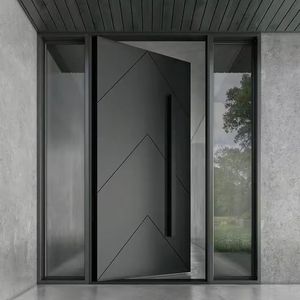
In Nagoya’s premier historical residential enclaves, private residences demand monumental scale paired with natural aesthetics. Oversized aluminum pivot doors finished in textured matte umber or walnut woodgrain preserve the organic warmth of traditional Japanese sukiya-zukuri architecture while eliminating seasonal door warp, dry rot, and maintenance demands.
Commercial Mixed-Use & Auto Dealerships
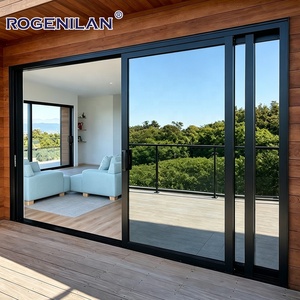
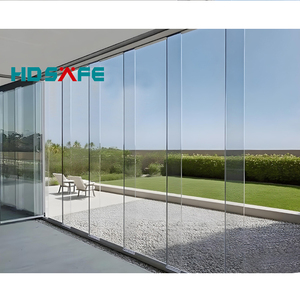
Along wide arterial transit boulevards, automotive flagship showrooms and commercial facilities leverage ultra-wide thermal-break sliding and folding brown door systems. These structural frames provide up to 88% glass-to-frame ratios, seamlessly merging showroom floors with outdoor display patios under demanding daily commercial cycles.
Ise Bay Coastal & Port Logistics Facilities
Facilities adjacent to the Port of Nagoya face unrelenting atmospheric salt loads and typhoon track wind shear. Heavy-duty aluminum entries equipped with double-glazed EPDM sealing gaskets, marine-grade powder brown surfacing, and multi-point mortise locks guarantee structural water-tightness under extreme wind pressures exceeding 2000 Pa.
Future Industry Forecast
4. Trends Shaping Nagoya's Fenestration Market: 2026–2030
Three definitive technical currents are restructuring door manufacturing demands across central Japan:
1. Strict Decarbonization and ZEH (Zero Energy House) Mandates: Japan's Building Energy Efficiency Act imposes increasingly strict thermal envelope criteria on new residential and commercial permits. Aluminum doors can no longer rely on uninsulated monolithic extrusions. High-performance models must incorporate minimum 24mm to 34mm polyamide thermal breaks, argon-injected low-emissivity (Low-E) double or triple glazed cassettes, and warm-edge warm spacers to depress thermal bridge heat loss down to the ZEH-ready U ≤ 1.6 W/m²·K boundary.
2. Smart Access and IoT Biometric Convergence: The widespread adoption of contactless access in Japanese multi-family apartment dwellings (Manshon) requires factory-integrated electronic hardware channels. Cutting-edge aluminum brown doors are delivered with factory-machined mortise preps for Japanese MIWA or GOAL electronic lock cylinders, as well as integrated 3D facial recognition, mobile Bluetooth, and RFID deadbolts, fully shielded within the aluminum core to maintain fire ratings and exterior weather integrity.
3. Biophilic Design and Tactile Finishes: Nagoya’s urban planners are prioritizing organic integration within industrial townscapes. Smooth gloss coatings have given way to architectural anodized brown with micro-textured tactile finishes, bronze brushed patinas, and durable heat-cured wood powders that reproduce the tactile feel of aged Japanese cedar (Sugi) without compromising Class-A non-combustibility standards required in Dense Urban Fire Prevention Districts.
Procurement & Engineering Intelligence
Frequently Asked Questions by Nagoya Procurement Teams
Critical answers addressing Japanese import customs, building code compliances, structural integrity, and overseas shipping logistics.
How do international aluminum brown doors comply with Japan's Fire Service Act and Building Standards Act?
In designated Fire Prevention and Quasi-Fire Prevention Districts throughout Nagoya (such as Naka and Nakamura wards), exterior doors must qualify as fire-retardant equipment (Bōkado). Our factory supplies reinforced aluminum structures with steel core stiffeners, wire-meshed or ceramic fire-rated glass, and intumescent graphite fire seals that expand under heat, compliant with standard 20-minute and 60-minute fire resistance tests.
What ensures the brown powder-coat finish will not fade under harsh Japanese seasonal UV?
We utilize premium AkzoNobel or PPG fluoropolymer (PVDF) and Qualicoat Class 2 certified super-durable thermosetting powders. These coatings endure 3,000 hours of accelerated Xenon arc weathering and ASTM salt-spray exposure without gloss reduction, chalking, or shift in brown chroma, ensuring long-term color fidelity against Nagoya's intense summer sun.
Can the door locking mechanisms interface directly with domestic Japanese hardware systems?
Yes. Our engineering department works with precise CNC manufacturing setups capable of preparing mortise pockets, strike cutouts, and backsets tailored specifically for MIWA, GOAL, or West cylinders. Alternatively, we supply comprehensive multi-point security locking systems complete with European or Japanese smart-home protocol integrations.
What packaging protocols are implemented to guarantee zero-defect maritime delivery to the Port of Nagoya?
Every door undergoes a 4-layer packaging sequence: protective low-tack surface film, foam corner protectors, waterproof multi-layer wrapping, and complete encasement within fumigated solid plywood export crates with internal moisture-absorbing desiccants. Goods arrive ocean-freight ready for seamless transit via Nagoya Port container freight stations.
Are free CAD and BIM shop drawings provided to Japanese architects prior to manufacturing?
Yes. Our in-house technical team provides detailed 2D CAD shop drawings, structural section details, threshold integration profiles, and 3D BIM models free of charge. Production commences only upon formal sign-off by your project's lead architect or general contractor.
How does the thermal insulation perform against the chilling 'Ibuki-oroshi' winter winds?
By combining multi-cavity PA66 thermal barrier struts with continuous triple EPDM weatherstripping and high-insulation double/triple glazing, air infiltration is minimized to JIS A-4 levels, eliminating internal condensation and draft chills common during Aichi winters.
Direct-From-Manufacturer Value
5. Guangdong Dejiyoupin (DERCHI): Leading Global Fenestration Excellence
Headquartered in Foshan, China's core aluminum architectural manufacturing district, Guangdong Dejiyoupin Doors and Windows Co., Ltd. (DERCHI) operates as a globally recognized entity among the industry's Top 10 high-end door and window manufacturers. Spanning an expansive 180,000㎡ modern manufacturing campus staffed by over 600 skilled technicians, the company commands a rigorous quality-controlled ecosystem designed to serve elite international contractors, developers, and trade importers.
DERCHI backs every batch of fenestration with more than 100 international certifications and proprietary patents, including ISO9001, CE, AS2047, and UL fire-rated standards. With over 25 years of specialized extrusion, thermal insulation, surface finishing, and custom door engineering, DERCHI combines high-capacity industrial automation with meticulous craftsmanship. Builders in Nagoya benefit directly from consolidated direct-from-factory pricing, custom door schedules, comprehensive engineering documentation, and consistent lead times.
Ready to Engineer Your Nagoya Project?
Connect with our senior technical sales team to request custom CAD shop drawings, structural calculations, finish sample boxes, or a comprehensive factory quotation.
Inquire Now