Engineered Systems for Belgian Architecture & Renovation
Explore our export-certified architectural doors, thermal-break entrance systems, and structural glazed assemblies precision-engineered to meet stringent European energy efficiency criteria.
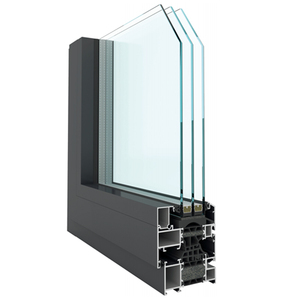
Modern Aluminium Energy Efficient Noise Reduction Casement Windows
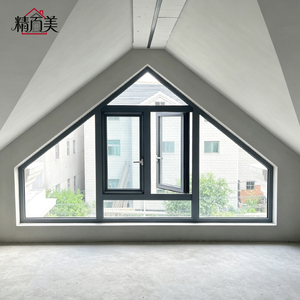
Pentagon Custom Drawing Aluminum Pitched Roof Attic Airtight Panel
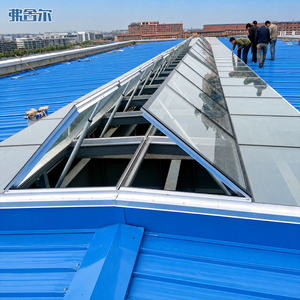
Custom Hidden Frame Aluminum Alloy Cellar & Lounge Swing Entrance
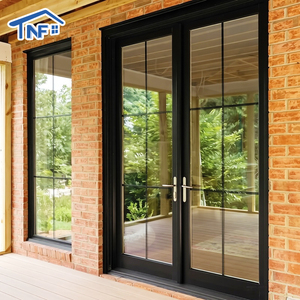
Modern Aluminum French Casement Door with Tempered Structural Glazing
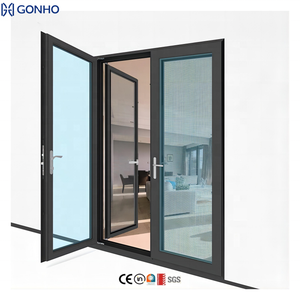
Thermal Break Commercial Waterproof Casement Door with Integrated Screen
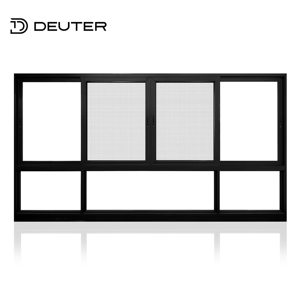
Three-Track Thermal Break Heavy-Duty Lift & Slide Glazing System
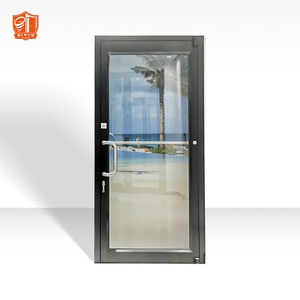
Modern Commercial Storefront Glass Swing Entry Door Assembly
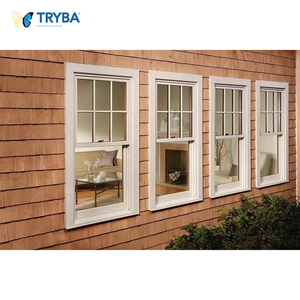
Impact Resistant Architectural Double Hung Structural Aluminum Windows
Engineering Aluminum Wood Finish Doors for the Belgian Market
A comprehensive examination of material science, European Union building code harmonization, and the architectural evolution of wood-finish fenestration in Western Europe.
The Timber Aesthetic vs. Atlantic Weathering
Belgian residential architecture holds a longstanding reverence for natural timber framing—ranging from Ardennes oak in rural Wallonia to sleek Afzelia joinery in Flemish contemporary villas. However, Belgium's maritime climate presents unrelenting atmospheric challenges: persistent relative humidity averaging 80-85%, over 200 days of precipitation annually, and damp coastal breezes along the Ostend and Knokke shores. Natural solid wood requires frequent sanding, toxic chemical treatments, and recoating every 24 to 36 months to prevent fungal decay, micro-cracking, and thermal warping. Our OEM/ODM Aluminum Wood Finish doors eradicate this maintenance deficit by utilizing aircraft-grade 6063-T6 aluminum alloys bonded with thermosetting polyurethane powder coats and vacuum sublimation transfer technology. This delivers the rich tactile warmth and authentic grain patterns of Belgian oak, teak, and walnut without hygroscopic swelling, rotting, or dimension shift.
EPB Compliance & Strict Thermal Integrity
Under Belgium's Energy Performance of Buildings (EPB / PEB) regulations governed by Flemish Energy and Climate Agency (VEKA) and Walloon DGO4 guidelines, fenestration components are subjected to rigorous U-value ceilings. A typical exterior entrance door must achieve an overall thermal transmittance (Ud) of less than 1.5 W/m²K, with low-energy and Passive House (Passiefhuis) builds requiring Ud ratings below 0.8 to 1.0 W/m²K. DERCHI meets these targets through advanced multi-chamber profiles separated by low-conductivity polyamide (PA66 GF25) thermal breaks reinforced with 25% glass fiber. Integrated with triple-glazed insulated glass units (IGU) featuring warm-edge thermoplastic spacers and argon gas fillings, our aluminum systems deliver zero-condensation surfaces even during freezing Ardennes winters, actively reducing building life-cycle carbon footprints.
RC2 / RC3 Burglar Resistance Integration
Security is non-negotiable for Belgian building professionals, project developers, and insurers. According to European standard EN 1627-1630, residential entrance systems are evaluated under Resistance Classes (RC). DERCHI's custom entrance assemblies are specifically designed to accommodate European hardware groove systems (Eurogroove standard), allowing seamless factory integration of German and Belgian multipoint security locking mechanisms, anti-drill escutcheons, heavy-duty 3D adjustable security hinges, and burglar-resistant laminated safety glass (P4A/P5A). By combining the inherent tensile strength of engineered architectural aluminum with strategic internal steel reinforcements, our assemblies provide verified resistance against opportunist attacks using heavy crowbars, wedges, and mechanical levers.
Engineering Standards: Belgian Specification Sheet
A side-by-side technical summary showcasing how DERCHI OEM/ODM aluminum systems exceed baseline European performance thresholds for structural durability and energy efficiency.
Surface Technology
Qualicoat Class 2 certified fluorocarbon wood sublimation transfer. Tested for 3,000+ hours of continuous QUV accelerated weathering without fading, chalking, or delamination.
Weather Tightness
Class 4 Air Permeability (EN 12207), Class 9A Water Tightness (EN 12208), and Class C5 Wind Resistance (EN 12210) utilizing continuous co-extruded EPDM weatherstripping gaskets.
Dimensional Precision
CNC mitered corners with mechanical corner cleats and dual-component polyurethane structural bonding, holding diagonal tolerance strictly within ±1.0 mm for seamless Belgian site fitment.
Belgian Fenestration Trends & Architectural Applications
Analyzing key commercial vectors driving adoption among general contractors, project developers, and fenestration importers across Brussels, Ghent, Bruges, and Liège.
Historic City Center Renovations
Belgian urban cores such as Ghent, Antwerp, and Bruges have strict municipal urban planning regulations (Stedenbouwkundige voorschriften). When updating heritage facades or converting townhouses into multi-unit luxury flats, developers are often forbidden from installing industrial raw-aluminum profiles that clash with brick masonry. Aluminum wood finish doors deliver the required historic warmth and traditional wood-mullion aesthetics while providing the superior fire rating, soundproofing, and structural stability of commercial aluminum alloys.
Modernist Passive Villas
In contemporary Flemish residential architecture, the trend leans strongly toward clean lines, oversized pivot entry doors (reaching heights of 3.0 to 3.5 meters), and minimal exposed framing. Solid timber leaves of this scale inevitably bow under temperature differentials between heated interiors and cold exteriors. Our engineered aluminum thermal break cores paired with hyper-realistic walnut or blackened timber sublimations ensure that massive pivot doors open effortlessly on hydraulic floor springs without sagging or loss of weather tightness.
High-Traffic Hospitality & Retail
Belgian boutique hotels, craft breweries, and fine-dining establishments in Brussels and Namur require entrance systems that welcome patrons with organic aesthetic comfort while enduring tens of thousands of operating cycles per month. Traditional wood doors suffer unsightly chipping, moisture gouging, and lock alignment drift. Our heavy-duty commercial casement and swing door profiles withstand continuous foot traffic without visible wear or finish degradation.
Why Partner with DERCHI for European Export Programs
Recognized among China's elite fenestration brands, we bridge industrial-scale manufacturing precision with Western European architectural requirements.
180,000㎡ Production Base
Operating from Foshan, Guangdong—the epicentre of precision aluminum manufacturing—our 180,000 square meter intelligent manufacturing park houses automated profile extrusion lines, Italian-engineered thermal break insertion machinery, vacuum wood sublimation facilities, and dust-free glass assembly lines. Supported by over 600 skilled technicians, we produce at institutional volume while maintaining exacting custom tolerances.
Free CAD & BIM Engineering Support
We eliminate communication silos between European architects, specifiers, and factory floors. Our engineering department supplies complete bilingual (English/French/Dutch compatible) CAD shop drawings, connection detail schematics, anchor point calculations, and Revit BIM models free of charge prior to cutting, guaranteeing zero-defect on-site integration with Belgian cavity wall (Spouwmuur) systems.
FOB/CIF Logistics to Antwerp & Zeebrugge
Long-distance maritime transit requires flawless packaging standards. Every door leaf and subframe is protected with non-marking peelable protective film, impact-absorbing EPE corner bumpers, heavy-duty honeycomb card wraps, and fumigated solid timber export crates. We handle end-to-end container logistics with direct CIF quotes to the Port of Antwerp or Zeebrugge, accompanied by all necessary EUR.1 and customs compliance documentation.
Frequently Asked Questions by Belgian Buyers & Importers
Essential insights addressing structural standards, thermal verification, logistics, and site installation throughout Flanders, Wallonia, and the Brussels-Capital Region.