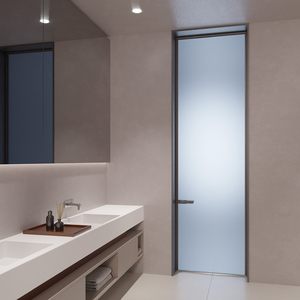
Precision Fenestration Portfolio
High-Performance Architectural Systems for East African Projects
Engineered to international standards (CE EN 14351-1, ISO9001, AS2047), our aluminum double door and window series offer unmatched wind resistance, acoustic attenuation, and thermal performance tailored for the Horn of Africa.
Engineering Authority
Technical Blueprint: Specifying CE Certified Aluminium Double Doors for the Ethiopian Built Environment
The architectural landscape of the Federal Democratic Republic of Ethiopia is experiencing an unprecedented structural transformation. Driven by rapid urban renewal programs under the Addis Ababa Corridor Development Project, major civic expansions, and high-density luxury residential developments across sub-cities such as Bole, Kirkos, and Yeka, structural fenestration has transitioned from an aesthetic finishing trade to a core mechanical envelope discipline. Specifying heavy-duty CE certified aluminium double doors requires an exhaustive appreciation of localized topographical, microclimatic, and seismic variables unique to the Ethiopian high-plateau geography.
Addis Ababa sits at an average altitude of 2,355 meters (7,726 feet) above sea level. This elevated topography exposes building facades to two severe physical phenomena: significantly elevated ultraviolet (UV) solar radiation indices (frequently peaking at UV Index 11+) and pronounced diurnal temperature fluctuations spanning 15°C to 20°C within a single 24-hour cycle. Standard commercial-grade aluminium profiles subjected to these conditions frequently suffer from thermal stress racking, micro-fissuring of low-grade powder coatings, and rapid deterioration of conventional EPDM perimeter gaskets.
Technical Consideration: Under CE standard EN 14351-1 (Windows and external pedestrian doorsets), doors deployed in high-altitude environments must exhibit dimensional tolerance Class 4, air permeability Class 4 (EN 12207), and water tightness up to Class 9A (EN 12208) to withstand the torrential downpours characteristic of the Ethiopian Kiremt monsoon rainy season (June through September).
DERCHI's export-grade aluminium double doors are fabricated utilizing primary architectural-grade 6063-T5/T6 and 6061-T6 aluminum alloys. Wall thicknesses are rigidly maintained at 2.0mm to 3.0mm across primary structural load-bearing stiles and rails, substantially surpassing local market generic extrusions that average only 1.2mm. Surface integrity is protected by high-durability fluorocarbon (PVDF) 3-coat architectural finishes or Class 2 AkzoNobel powder coatings certified under Qualicoat Sea-Side standards, ensuring complete resistance to photo-oxidative chalking, color fading, and surface degradation over decades of intense sun exposure.
Urban Engineering Demands
Localized Application Scenarios Across Ethiopian Municipalities
From the diplomatic headquarters of the African Union to emerging industrial hubs across Oromia and Sidama, structural double door systems must solve distinct operational challenges.
Bole & Kazanchis Commercial Towers
Diplomatic missions, Grade-A headquarters, and multinational banking facilities demand CE certified double entrance doors featuring integrated multi-point mortise locking mechanisms, high-frequency anti-panic push bars, and laminated acoustic glazing to isolate urban traffic decibel levels below 35 dB.
Luxury Residential Estates (Old Airport & CMC)
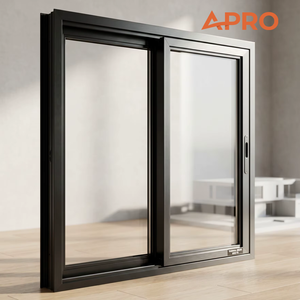
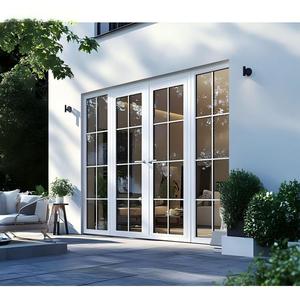
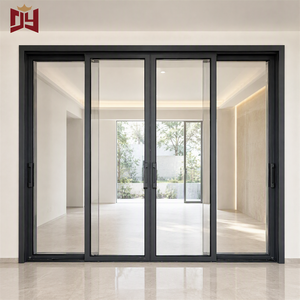
Expansive double-leaf casement and heavy-duty sliding glass systems designed for high-end villas. Incorporating polyamide 66 thermal barrier strips (PA66 GF25) that stabilize interior climates during chilly highland nights and block extreme direct solar thermal gain during clear afternoons.
Industrial Parks (Hawassa, Kilinto & Bole Lemi)
High-volume logistical and administrative facility doors subjected to relentless cycle wear. Systems engineered with industrial-grade stainless steel (SUS304/SUS316) continuous gear hinges, self-closing hydraulic pivots, and reinforced corner brackets rated for 500,000+ open-close cycles.
Comparative Physical Properties
Engineering Benchmark: Standard Market Doors vs. DERCHI CE Certified Export Profiles
Architects, project structural engineers, and general contractors registered with the Ministry of Urban Development and Infrastructure (MUDI) require verifiable material testing schedules. The comparative matrix below outlines why DERCHI's CE marked double doors represent an imperative specification choice over unverified local market alternatives:
| Engineering Metric | Standard Local Market Aluminium Doors | DERCHI CE Certified Double Door Systems | Testing Standard & Verification |
|---|---|---|---|
| Alloy Composition & Temper | Recycled Scrap-based Aluminium (Variable) | Virgin 6063-T6 / 6061-T6 Primary Ingot Extrusions | ASTM B221 / EN 573-3 Spectrometry |
| Profile Wall Thickness | 1.0 mm – 1.4 mm (Structural deflection risk) | 2.0 mm – 3.0 mm Reinforced Core Channels | EN 14351-1 Structural Load Matrix |
| Wind Load Resistance | Class 2 (≈ 800 Pa) | Class 5 (≥ 2000 Pa, Certified high-rise performance) | EN 12210 / AS 2047 N6 Compliance |
| Thermal Barrier Insulation | Non-thermal break or standard PVC strips | German Technoform PA66 GF25 Polyamide Bars | EN ISO 10077-2 (U-value down to 1.4 W/m²K) |
| Acoustic Attenuation (Rw) | 22 dB – 26 dB (Single 5mm Glazing) | 38 dB – 45 dB (Double/Triple Insulated Laminated) | ISO 717-1 Acoustic Chamber Testing |
| Hardware Mechanical Cycle | Zinc alloy hardware, rated < 25,000 cycles | SUS304 / German Roto / Siegenia Multi-Point Systems | EN 12400 Class 8 (1,000,000 cycles) |
Market Intelligence & Macro Trends
Ethiopia's Construction Dynamics: Navigating Quality, Sustainability, and Import Realities
The construction sector represents one of the largest contributors to Ethiopia's gross domestic product, sustained by major infrastructure allocations and public-private partnerships. Within this surging ecosystem, four macro trends are fundamentally altering how contractors and developers procure architectural building materials:
1. Shift from Low-Cost Scrap Extrusions to International Certified Envelopes: Historically, budgetary pressures favored unbranded, locally extruded profiles that lacked structural certification. However, high-profile failure rates—manifesting as water infiltration during the Kiremt season, jamb warping under structural wind loads, and premature lockset failure—have caused developers to incur massive remediation costs. Leading property developers across Addis Ababa now mandate third-party CE and ISO test certifications within tender documents.
2. Green Building Standards & Energy Conservation Codes: As electricity tariffs adjust to market rates and corporate occupants pursue international ESG and LEED accreditations, building envelope thermal efficiency has taken center stage. Double-glazed thermal break double doors drastically reduce HVAC loads in large commercial foyers, hotels, and luxury retail developments, directly lowering lifecycle operational costs.
3. Streamlined Logistics via the Djibouti-Addis Ababa Freight Corridor: The logistics backbone connecting the Port of Djibouti to the dry port hub of Modjo (Modjo Dry Port) via the Ethio-Djibouti standard gauge railway has substantially matured. Factory-direct containerized shipping from our Foshan industrial base directly into Modjo under bonded through-bills of lading minimizes handling transit risk, guaranteeing that fragile oversized double door and glass assemblies arrive in pristine condition.
25+
Years Manufacturing Experience
180,000㎡
Integrated Production Base
600+
Skilled Production Professionals
100+
Global Patents & Certifications

Manufacturing Prowess
Direct-from-Factory Excellence: Foshan Engineering to Your Jobsite
DERCHI (Guangdong Dejiyoupin Doors and Windows Co., Ltd.) is ranked among the Top 10 premium door and window manufacturing groups in China. Operating an integrated 180,000 square meter production facility in Foshan—the global epicenter of high-end architectural metalworking—we deliver complete accountability from raw profile billet extrusion to final ocean export packing.
For Ethiopian commercial buyers, institutional developers, and trading conglomerates, our turnkey export program eliminates middlemen markups. Every order includes bespoke CAD shop drawings produced by our dedicated engineering team, full physical mock-up structural verification, and fumigated multi-layer protective wooden crate packaging specifically engineered for multi-modal ocean transit and road transit through the Horn of Africa.
Procurement Guidelines
Frequently Asked Questions: Importing Doors to Ethiopia
Detailed technical, regulatory, financial, and logistical insights compiled by our export logistics desk to facilitate friction-free clearing and installation across Ethiopian jobsites.
How do you support Letter of Credit (L/C) and foreign exchange allocation processes in Ethiopia?
+
We possess extensive experience working within the regulatory frameworks established by the National Bank of Ethiopia (NBE) and commercial financial institutions (such as the Commercial Bank of Ethiopia, Awash Bank, and Dashen Bank). We supply fully compliant Proforma Invoices detailing exact Harmonized System (HS) Codes (primarily 7610.10 for aluminium doors and thresholds), comprehensive item descriptions, country of origin, and transparent FOB or CIF breakdown. We accommodate documentary Letter of Credit terms, CAD (Cash Against Documents) arrangements where permitted, and can stagger container shipments aligned with milestone foreign currency releases.
What certifications are provided for Ethiopian Conformity Assessment Enterprise (ECAE) clearance?
+
All DERCHI double doors are certified under European CE directives (EN 14351-1), ISO 9001:2015 Quality Management Systems, and international structural load benchmarks. To satisfy Ethiopian Standards Agency (ESA) standards and mandatory pre-shipment verification of conformity (PVoC / CoC) inspections, we coordinate with accredited global inspecting agencies such as SGS, Bureau Veritas, or Intertek at our Foshan facility prior to container loading, ensuring seamless customs processing at destination dry ports.
What is the standard shipping transit routing and timeline from Foshan to Addis Ababa / Modjo?
+
Ocean container shipments depart from major southern China hubs (Nansha, Shekou, or Yantian) directly to the Port of Djibouti. Ocean transit time typically ranges between 18 and 24 days. From Djibouti, cargo is routed via the Ethio-Djibouti Railway or heavy road haulage corridor under bonded manifest to Modjo Dry Port or Kality Customs Branch in Addis Ababa (additional 5 to 8 days). Our comprehensive export documentation package includes Bill of Lading, Packing List, Commercial Invoice, Certificate of Origin, and Factory Inspection Reports.
How do DERCHI double doors perform against extreme ultraviolet light and highland moisture?
+
Unlike standard surface treatments that degrade under Addis Ababa's intense solar exposure, our profiles utilize architectural-grade fluorocarbon (PVDF) 3-coat finishes and Qualicoat-certified thermosetting powders that exceed 10-year UV degradation guarantees. Furthermore, our double casement and entrance doors integrate multi-stage drainage chambers and vulcanized EPDM weatherstripping gaskets that maintain structural elasticity without drying out, cracking, or permitting rain ingress even during relentless tropical downpours.
Can you accommodate non-standard rough opening dimensions and provide custom structural shop drawings?
+
Yes. Every order is manufactured strictly to your project's architectural door schedule and structural masonry openings. Upon review of your structural drawings, our bilingual engineering department generates detailed 2D/3D CAD shop drawings—including anchorage details, threshold drainage details, sub-frame connection interfaces, and glass engineering calculations—free of charge for structural engineer approval prior to production commencement.
How do you assist local installation teams on Ethiopian construction sites?
+
Every door unit is pre-assembled, factory-calibrated, and methodically labeled with distinct opening codes corresponding to your architectural door schedule. Shipments include comprehensive bilingual installation manuals and hardware assembly schematics. Furthermore, our senior structural engineers provide scheduled video conferencing guidance aligned with East Africa Time (EAT), ensuring local site crews properly align, level, anchor, and seal every unit for flawless long-term operation.
Full-Cycle Quality Traceability

From Precision Extrusion to Heavy Ocean Cradling: The DERCHI Assurance
The integrity of an architectural envelope relies on absolute precision at every phase of processing. In our 180,000 square meter factory, computer numerically controlled (CNC) machining centers execute profile cutting, mortising, corner key crimping, and hinge routing to tolerances within 0.1mm. High-strength structural corner cleats combined with dual-component polyurethane corner injection adhesives guarantee that our double doors retain perpendicular squareness over years of heavy daily cycles without sagging or corner joint separation.
Glazing options are fully customized to project acoustic and thermal criteria. We process tempered safety glass, low-emissivity (Low-E) insulated glass units (IGUs) with argon gas fills, and acoustic polyvinyl butyral (PVB) laminated configurations conforming to EN 12150 and EN 12600. Prior to crating, every door undergoes stringent multi-point quality control: laser dimensional checks, seal compression tests, locking cylinder smooth-action audits, and protective film wrapping.
Ready to Engineer Your Project with Factory-Direct Excellence?
Submit your architectural door schedule, rough opening dimensions, or structural drawings today. Our engineering export desk will return complete CAD shop drawings, technical specifications, and a detailed FOB/CIF Modjo quotation within 24 hours.
Send an Inquiry