180,000㎡
Global Production Base
25+
Years Manufacturing Tech
100+
Global Patents & Certs
600+
Precision Engineers & QC
Engineered Architectural Solutions
Catalog of High-Performance Systems for Ghanaian Projects
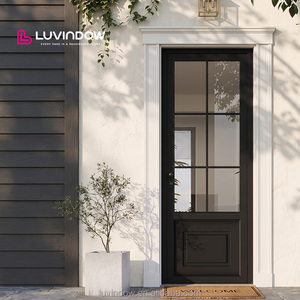
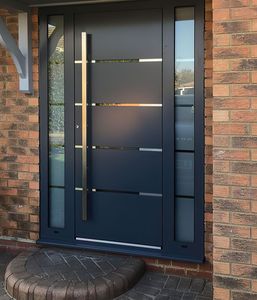
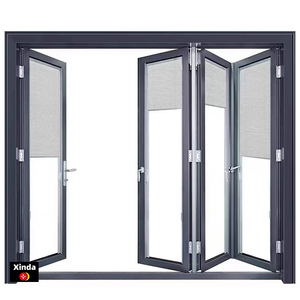
Commercial-grade 6063-T5/T6 virgin aluminium profiles configured with multi-point stainless steel hardware, tropicalized PVDF architectural coatings, and double-insulated thermal break fenestration.
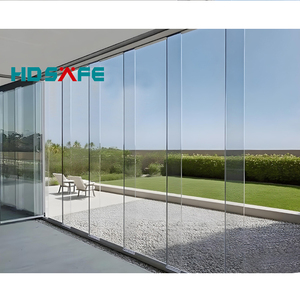
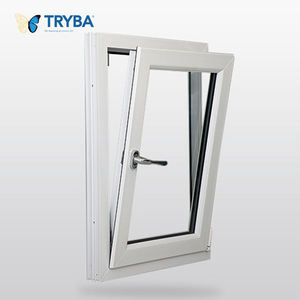
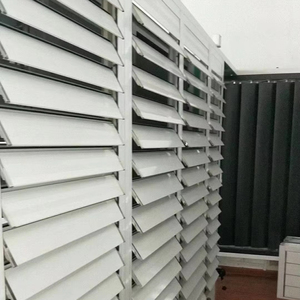
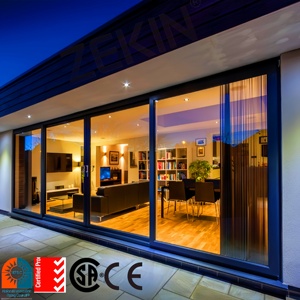
Engineering Adaptation
West African Climate Engineering & Project Applications
Ghana's architectural landscape spans equatorial coastal zones, high-density urban commercial hubs, and interior savanna belts. Standard off-the-shelf fenestration fails within 18 to 36 months due to chemical salt deposition, solar blistering, or particulate abrasion. Here is how our engineered systems serve regional microclimates.
Coastal Luxury Residential (Accra, Tema, Takoradi)
Homes in neighborhoods like Cantonments, Airport Residential, East Legon, and coastal retreats facing the Gulf of Guinea endure severe saline air humidity and steady coastal winds.
- Thermal Isolation: Polyamide (PA66) barrier strips prevent inward conductive heat transfer under continuous equatorial sun.
- Marine Finishes: Fluorocarbon (PVDF) 3-coat finishes certified beyond 3,000 hours of neutral salt spray testing prevent profile pitting.
- Hardware: Marine-grade Grade 316 stainless steel multi-point locks prevent pitting rust and mechanical latch binding.
Commercial High-Rise & Corporate (Airport City, Ridge)
Commercial structures demand high structural wind-load integrity (Class N6) and acoustic dampening against heavy metropolitan street noise.
- Acoustic Attenuation: Laminated double-glazing configurations (6mm + 1.14PVB + 6mm) lower street reverberation by up to 42 dB.
- HVAC Conservation: Low-E tinted coatings reject up to 74% of Solar Heat Gain (SHGC < 0.28), reducing cooling costs.
- Safety Infill: Impact-resistant laminated and tempered glass compliant with AS2047 high-velocity wind testing.
Middle Belt & Northern Savanna (Kumasi, Tamale)
Interior regions experience massive day-night temperature deltas and dry, silica-heavy Harmattan dust winds from December to February.
- Dual EPDM Gaskets: Continuous multi-channel synthetic rubber seals form an airtight barrier against micro-particulate dust ingress.
- Thermal Expansion Resistance: Heavy-wall structural alloy profiles (2.0mm to 3.0mm) eliminate frame deflection and warping.
- Self-Cleaning Glazing: Hydrophobic outer glass coatings prevent dust caking, reducing maintenance needs.
Market Intelligence & Procurement Analysis
Evolution of Architectural Fenestration in Ghana
The Ghanaian building sector is transitioning from unregulated local artisanal fabrication to certified factory-direct imports. High-net-worth developers, corporate property funds, and commercial contractors prioritize long-term durability over low initial cost.
Shift from Single Glazing to Double-Pane Low-E
Rising commercial electricity tariffs in Ghana make single 5mm clear glass economically non-viable. Thermal break frames combined with double insulating glass units (5mm + 12Argon + 5mm Low-E) decrease interior temperatures by 6°C to 9°C, lowering air-conditioning loads and helping developments achieve EDGE green building certification.
Demand for Integrated Multi-Point Security
Traditional sliding systems secured by simple latch hooks are vulnerable to forced entry. Contemporary luxury residences throughout Greater Accra require engineered perimeter defenses: heavy-duty European multi-point shootbolt systems, tamper-proof laminated intruder-resistant glass, and high-tensile 304 stainless steel insect-security mesh integrated into the profile frames.
Minimalist Oversized Panoramic Openings
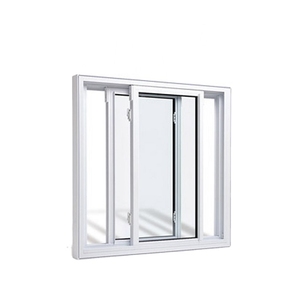
Modern West African architecture emphasizes seamless indoor-outdoor living. Conventional local extrusions flex when door panel heights exceed 2.4 meters. We supply reinforced structural sliding and pivot frames supporting single glass sashes up to 3.5 meters high and 400 kg per sash without roller jamming or track deflection.
| Engineering Parameter | Standard Local Market Profiles (Ghana) | Factory Direct Export Standard (Our Production) |
|---|---|---|
| Alloy Composition & Purity | Recycled scrap-melt aluminium; irregular wall thickness (1.0mm - 1.2mm) | Certified virgin 6063-T5/T6 architectural alloy; uniform wall thickness (1.8mm - 3.0mm) |
| Surface Coating Resilience | Thin mill-finish or flash-anodized (<10 microns); chalks within 24 months | PVDF / AkzoNobel Interpon fluorocarbon powder coating (≥60 microns); UV & salt spray certified |
| Thermal & Acoustic Insulation | Non-thermal hollow extrusion; single 4mm-6mm float glass (U-value > 5.8 W/m²K) | Polyamide PA66 thermal barrier; double/triple argon Low-E tempered glass (U-value < 1.6 W/m²K) |
| Infiltration Gasketing | PVC plastic or stapled wool pile strips; shrinks and degrades under equatorial heat | Continuous co-extruded automotive-grade EPDM weather seals; zero Harmattan dust penetration |
| Locking & Mechanical Hardware | Zinc-alloy single sliding catches prone to corrosion and forced break-in | German Hoppe/Siegenia/CMECH Grade 316 stainless steel multi-point active locking points |
Enterprise Competence
Engineered Factory Direct Value for Ghanaian Importers
Headquartered in Foshan, Guangdong, our manufacturing infrastructure delivers comprehensive quality control, verifiable certifications, and complete container consolidation.
180,000㎡ Intelligent Production Facility
Our expansive industrial base houses 600+ skilled personnel, CNC profile-machining centers, and automated glass processing lines capable of handling large-scale commercial developments and customized residential estates simultaneously.
International Testing & Certifications
Every product is certified to international standards including CE, ISO9001, AS2047 (Australian standard for wind, water, and structural deflection), and UL fire ratings. Complete lab test reports are available to support project approvals.
One-Stop Container Mixed-Consolidation
Maximize shipping efficiency by consolidating entry doors, high-performance windows, interior timber doors, and automated garage systems into single 40ft HQ ocean containers dispatched directly to the Port of Tema or Takoradi.
Free Architectural CAD & Shop Drawings
Our dedicated engineering department converts your architectural schedules and floor plans into detailed shop drawings and elevation plans with precise structural calculations, eliminating site-measurement errors before manufacturing begins.
Heavy-Duty Marine Export Crating
Transit across the Indian and Atlantic Oceans requires rugged protective packaging. We use five-tier moisture-sealed wrapping, structural corner guards, and fully enclosed fumigated solid plywood crates with integrated desiccant packs.
Remote Guidance & GMT Time-Zone Synchronization
Our export project managers schedule live video technical consultations aligned with GMT working hours. We provide local Ghanaian installation crews with CAD shop drawings, video instructions, and comprehensive hardware documentation.
Procurement Transparency
Frequently Asked Questions by Ghanaian Importers & Contractors
Essential guidance covering maritime logistics, Ghana Revenue Authority (GRA) clearance processes, custom manufacturing, and on-site assembly.
Q1 How are orders shipped to Ghana, and what are the standard lead times?
We routinely arrange full container loads (FCL) and consolidated less-than-container loads (LCL) shipped directly from Shenzhen or Guangzhou ports to the Port of Tema or Port of Takoradi. Factory production takes 20–30 working days from CAD approval, and ocean transit takes approximately 35–45 days. We quote on both FOB China and CIF Tema/Takoradi terms.
Q2 What documentation do you supply for Ghana Revenue Authority (GRA) and ICUMS clearance?
We provide commercial documentation tailored for smooth customs processing via the Integrated Customs Management System (ICUMS). This includes the Commercial Invoice, Packing List, Original Bill of Lading (or Telex Release), Fumigation Certificate, Certificate of Origin, and test reports supporting Ghana Standards Authority (GSA) compliance verification.
Q3 Can you manufacture according to irregular site measurements in Ghana?
Yes. Every unit is manufactured to order. While we supply standard modular sizes for estate developments, we specialize in bespoke custom manufacturing based on structural door and window schedules. Our engineers review your rough openings and produce detailed CAD shop drawings for sign-off prior to extrusion cutting.
Q4 How does aluminium performance compare to uPVC in Ghana's equatorial environment?
In high UV and elevated heat environments like southern and northern Ghana, uPVC windows often turn brittle, discolored, and warped within a few years, causing sash binding. Thermally separated 6063-T5 aluminium coated with fluorocarbon powder remains dimensionally stable up to 80°C and does not degrade under intense equatorial UV radiation.
Q5 How do local contractors in Accra or Kumasi install your products without on-site technicians?
Our windows and doors are factory pre-hung, aligned, and test-assembled before packing. Sashes, frames, and sub-frames are labeled with clear schedule tags matching your floor plan. We supply bilingual installation guides, exploded cross-section diagrams, and can schedule remote video support to assist local project engineers on site.
Q6 What happens if glass is cracked or components are damaged during ocean transit?
We pack glass units in heavy-duty solid plywood crates with interior foam padding and corner protectors, resulting in an in-transit damage rate below 0.3%. Every ocean shipment is covered by marine insurance. Should transit damage occur, we supply priority air-freight replacements for hardware or fast sea-freight replacements for custom glass.