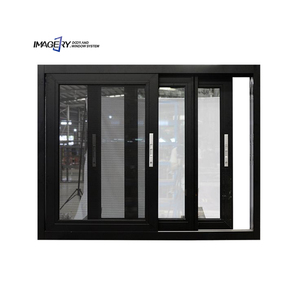
Certified Product Matrix
Engineered Fenestration for Northern Vietnam
Explore high-performance systems precision-built in our 180,000㎡ industrial base. Designed to solve tight thermal profiles, acoustic attenuation, and acute wind-load challenges in Hanoi and the Red River Delta.
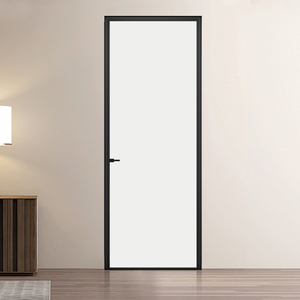
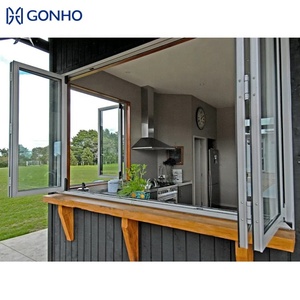
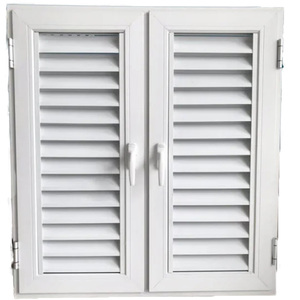
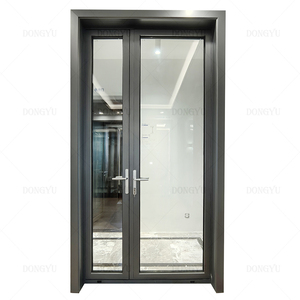
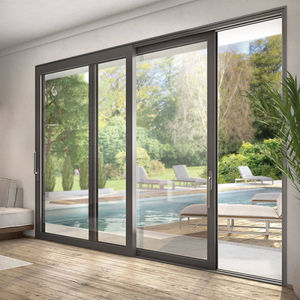
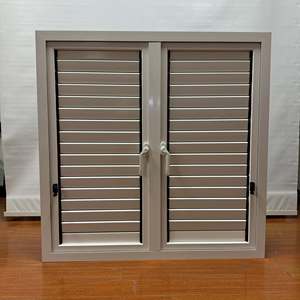
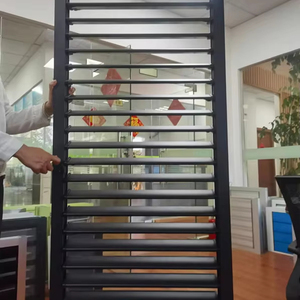
Technical White Paper
Engineering Aluminium Corner Fenestration for the Hanoi Microclimate
A rigorous review of structural calculations, wind pressures, solar heat gain, and moisture barriers required under Vietnam's QCVN national technical regulations.
2.8kPa
Wind Load Resistance (AS2047 N6)
600Pa
Watertight Pressure Rating
38dB
Acoustic Decibel Reduction
1.6U-Val
Thermal Insulation Efficiency
1. Microclimatic Rigor: Addressing the "Nồm" Phenomenon and Typhoon Vortexes
Hanoi’s unique tropical monsoon climate presents severe structural challenges. The transitional spring period brings the "nồm" meteorological condition, during which indoor relative humidity frequently exceeds 90%, creating aggressive interstitial condensation. Traditional 90-degree corner window junctions—if engineered without capillary drainage and polyamide thermal isolators—experience rapid galvanic corrosion, drywall degradation, and fungal expansion. DERCHI incorporates multi-cavity 6063-T6 architectural aluminium extrusions outfitted with PA66 GF25 nylon thermal break strips. This system moves the dew point outside the interior building envelope, preserving indoor dry bulbs even during sustained high ambient humidity.
| Performance Characteristic | Standard Local Construction | DERCHI Monsoonal Specification | Hanoi Engineering Benefit |
|---|---|---|---|
| Corner Joint System | Mechanical cleat with silicone seal | Dual-component crimped corner key with epoxy injection | Zero water penetration during monsoon-driven sideways downpours. |
| Thermal Transmittance (U-Value) | Single monolithic glass (5.8 W/m²K) | Double Low-E Argon-filled IGU (1.6 - 1.8 W/m²K) | Eliminates glass condensation during "nồm" weather; cuts HVAC loads by 34%. |
| Wind Pressure Integrity | 1.2 – 1.6 kPa standard extrusion | 2.4 – 3.0 kPa structural mullion reinforcement | Complies with QCVN 02:2022/BXD for Category III typhoon zones (Tay Ho / Nam Tu Liem). |
| Acoustic Damping (STC) | 24 – 26 dB standard float | 36 – 42 dB acoustic PVB laminated composition | Mitigates high-frequency motorbike traffic noise along central ring roads. |
2. Structural Corner Framing: Post-Free Mitred Glass vs. Reinforced Couplers
In high-density developments across Starlake, Ciputra, and Ecopark, panoramic visibility is paramount. For non-load bearing cantilever applications, we fabricate factory-mitred, structural silicone-glazed (SSG) all-glass corner units utilizing Dow Corning 983 silicone. Where seismic stability and cyclic typhoon forces dominate—such as high-rise façades in Cau Giay—our engineering team specifies heavy-duty corner mullions featuring high-moment inertia (Ix > 180 cm⁴). Every opening calculation is validated through structural FEM simulations to verify that dead-load deflections remain safely under L/300.
Regional Typologies
Optimized for Hanoi’s Diverse Urban Fabric
How specialized aluminium corner profiles adapt to narrow tube houses, luxury lake villas, and dense master-planned towers.
Narrow Shophouses & Tube Homes (Nhà Ống)
Hanoi’s traditional tube houses (often 4m to 5m wide) face severe natural lighting deficits on their lower and intermediate levels. Installing cantilevered aluminium corner windows captures dual-directional daylighting from street-side setbacks, boosting indoor illumination by up to 40% without compromising perimeter security.
Lakeside Villas (West Lake & Ecopark)
In humid microclimates around Tay Ho and waterfront developments, fenestration faces constant dampness and elevated organic particulates. DERCHI systems utilize AkzoNobel Interpon fluorocarbon (PVDF) electrostatic coatings, certified for 3,000 hours of continuous salt-spray testing, to ensure zero pitting or surface chalking.
High-Rise Condominiums (Cau Giay & Nam Tu Liem)
Elevated apartment units above the 20th floor experience intense wind vortices and windward gusts. Our custom corner assemblies use heavy-duty EPDM co-extruded gaskets and continuous corner vulcani-joints, guaranteeing pressure equalization, water-tight seals, and an air leakage rate under 0.1 m³/(h·m).
2026 Market Intelligence
Emerging Fenestration Trends in Northern Vietnam
Three core evolutionary shifts changing procurement standards for project developers, façade engineers, and general contractors in Hanoi.
Strict Energy Mandates via QCVN 09:2017/BXD
Vietnam’s national building code demands lower overall thermal transfer values (OTTV) in commercial and luxury residential sectors. High-performance thermal break aluminium profiles coupled with warm-edge spacers are replacing cheap uninsulated profiles as municipal green building standards expand.
Minimalist Sightlines & Glass-to-Glass Junctures
Architects across Hanoi increasingly reject wide, bulky aluminium corner joints in favor of slim 45mm frame exposures and butt-jointed structural glazing. This provides unobstructed 270-degree perspectives while preserving building safety via heat-strengthened laminated glass configurations.
Cross-Border Direct Factory Supply Chain Integration
Rather than working with fragmented regional fabricators with inconsistent quality, Vietnamese contractors increasingly partner directly with major automated Chinese factories. This model ensures uniform batch quality, full laboratory traceability, and direct project container shipments from Foshan straight to Hai Phong Port.
Operational Capabilities
The DERCHI Manufacturing Advantage
Backed by Guangdong Dejiyoupin Doors and Windows Co., Ltd., we combine 25+ years of engineering heritage with a 180,000㎡ manufacturing base to deliver certified fenestration directly to project sites across Vietnam.
180,000㎡ Mega Production Base
Our automated production facilities feature advanced CNC double-head mitre saws, four-corner crimping systems, and precision robotic glass assembly lines. With over 600 skilled technicians, we maintain an annual output capacity exceeding 300,000 square meters of high-end fenestration.
Global Certification & Lab Testing
Our systems hold CE, ISO9001, AS2047 N6, and UL certifications, backed by more than 30 registered design and engineering patents. Every project batch undergoes strict laboratory verification for hydrostatic head retention, cyclic air pressure, and multi-point hardware durability.
Dedicated Logistics to Hai Phong & Hanoi
We provide full export-grade plywood crating with corner protectors, anti-scratch coatings, and desiccants to resist ocean transit humidity. Shipments clear easily from Foshan ports to Hai Phong, with prompt overland transit straight to construction docks in Hanoi.
Procurement Intelligence
Frequently Asked Questions for Hanoi Projects
Essential guidance on logistics, technical specifications, and customs for Vietnamese contractors, project managers, and specifiers.
How does DERCHI ensure corner windows do not leak during monsoon rainstorms?
Our systems use dual-chamber hydraulic drainage profiles, crimped corner keys injected with German two-part structural epoxy, and vulcanized EPDM gaskets. This ensures air and water tightness ratings of up to 600 Pa, withstanding sustained driving monsoons and high winds common across Northern Vietnam.
What is the standard shipping lead time from your Foshan factory to Hanoi?
Following CAD approval, precision manufacturing takes 20 to 30 days depending on system complexity. Sea freight from Nansha or Shekou ports to Hai Phong takes roughly 3 to 5 days, followed by 1 to 2 days for customs clearance and trucking to job sites across Hanoi.
Can DERCHI manufacture custom dimensions and match exact architectural elevations?
Yes. Every order is produced to your specific schedule. Our in-house engineering team provides complete CAD and BIM shop drawings detailing jambs, sills, and corner mullion assemblies for engineer approval before fabrication begins.
How do you help prevent glass condensation during Hanoi's spring "nồm" weather?
We recommend insulated glass units (IGUs) with 12A/16A Argon-filled air spacers, warm-edge structural seals, and Low-E coatings, set in PA66-insulated thermal break frames. This drops the exterior-to-interior thermal bridging (reducing U-values below 1.8 W/m²K), keeping internal glass surfaces dry and clear.
What documentation is provided to support Vietnamese customs clearance?
We furnish complete export documentation packages, including the Commercial Invoice, Packing List, Clean On-Board Bill of Lading, Certificate of Origin (Form E to support preferential tariff treatment under ACFTA), and factory quality test certificates.
How are glass breakage risks minimized during maritime and overland transport?
All units are wrapped in protective polyethylene films, fitted with high-impact plastic corner guards, and sealed inside fumigated, non-coniferous composite wooden crates. Desiccant packs are inserted in each crate to prevent moisture damage during ocean transit.