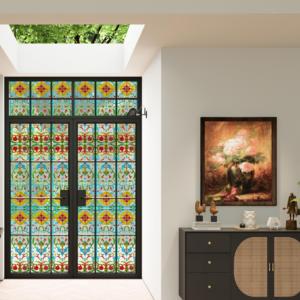
Precision Portfolio
High-Performance Aluminum & Glass Architectural Door Systems
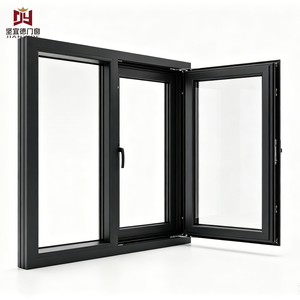
Engineered with 6063-T5/T6 aviation-grade aluminum alloys, multi-chambered thermal break profiles, and structural safety glazing compliant with international AS2047, CE, and UL certifications.
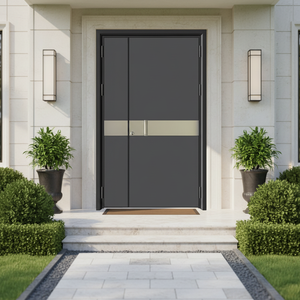
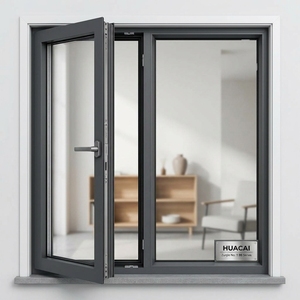
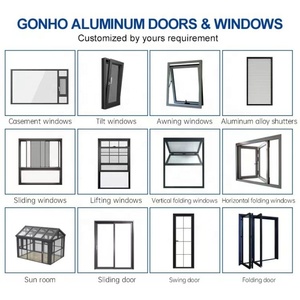
Scale & Capacity
Integrated Industrial Manufacturing Infrastructure
Headquartered in Foshan, China's core fenestration corridor, DERCHI operates an extensive production cluster delivering precision structural building envelopes to over 50 global economies.
180,000㎡
Smart Factory Base
25+
Years Engineering Expertise
600+
Skilled Fabricators & Engineers
100+
Global Patents & Certifications
Engineering Paradigm: Aluminum Structural Assemblies with Glass Infill
When evaluating top trusted aluminum with glass door factories and exporters, structural integrity begins with the metallurgy of the extrusion. Modern building skins demand profile extrusions of 6063-T5 or 6063-T6 aluminum, featuring a wall thickness ranging between 1.8mm and 3.0mm to support substantial sash loads and excessive windward pressure. Unlike off-the-shelf residential systems, export-grade architectural glass doors depend on multi-cavity, thermally broken cross-sections integrated with Polyamide PA66 GF25 (reinforced with 25% glass fiber) thermal insulation strips. This critical configuration isolates interior metal surfaces from exterior ambient conduction, reducing overall fenestration U-values down to ≤ 1.4 W/(m²·K).
Surface passivation and finishing represent another critical metric of manufacturer competence. Coastal, high-humidity, and intensive UV zones—such as those encountered across South America, Australasia, and coastal North America—demand fluorocarbon (PVDF) electrostatic coatings compliant with AAMA 2605 or Qualicoat Class 2 / Class 3 specifications. Alternatively, deep-layer anodization (20μm - 25μm) offers anti-corrosion resilience against salt-spray testing exceeding 3,000 hours without surface pitting, flaking, or chromatic aberration.
| Engineering Attribute | Industry Commodity Standard | DERCHI Architectural Specification | Target Engineering Advantage |
|---|---|---|---|
| Alloy Metallurgy & Temper | 6063-T5 (Wall thickness ≤ 1.4mm) | Primary Ingot 6063-T6 (1.8mm – 3.0mm) | Enhanced wind-load rating (> 4.5 kPa) for oversized spans |
| Thermal Isolation Core | Standard PVC or low-grade nylon | Imported Technoform PA66 GF25 | Prevents thermal bridge delamination and structural drift |
| Glazing Assembly | Single or uncertified dual tempered | Dual/Triple Glazed (Low-E + Argon + Warm Edge) | Thermal U-value ≤ 1.2 W/m²K, acoustic dampening up to 45 dB |
| Hardware Mechanism | Generic unbranded multi-locks | German Roto, Siegenia, Hoppe, or DERCHI Custom | Tested over 200,000 duty opening cycles under heavy loads |
| Corner Assembly Joint | Mechanical screw joinery | Cast corner cleats with two-component adhesive injection | Hermetic air/water seal impervious to sash deflection |
Future Sourcing & Procurement Trends: 2026-2030 Outlook
The global fenestration trade is undergoing an aggressive structural migration driven by tightening municipal carbon metrics, passive building envelope protocols, and modern minimalist architectural languages. Procurement departments, EPC general contractors, and trade importers must recognize four fundamental procurement vectors:
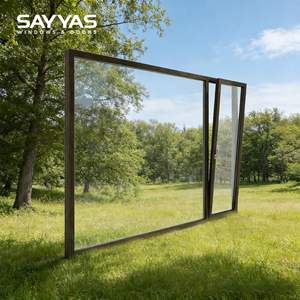
- Ultra-Narrow Sightlines with Concealed Frames: The demand for panoramic views has relegated chunky 100mm profiles to the past. Modern specifications insist on interlocking stiles below 20mm and completely concealed floor and perimeter head tracks, requiring CNC precision milling with tolerances within ±0.5mm.
- Decarbonized Circular Aluminum & EPD Documentation: Tier-1 developers across the EU, North America, and Latin America now demand Environmental Product Declarations (EPDs). Sourcing is pivoting toward smelters powered by renewable hydro-energy, using low-carbon aluminum billets that reduce embedded CO2 from 18kg CO2/kg Al to below 4kg CO2/kg Al.
- Integration of Building Automation & Smart Access: Motorized architectural sliding systems and massive pivot assemblies now demand concealed linear brushless motors, electrochromic dynamic privacy glazing, and biometric building-management interfaces integrated directly into the profile chamber.
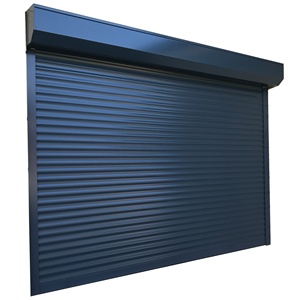
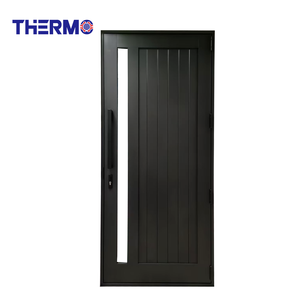
- Containerized Project Consolidation (One-Stop OEM): To hedge against volatile ocean container rates and cross-docking damage, commercial buyers are transitioning from disparate modular purchasing to bundled envelope procurement—combining main entry pivot doors, interior minimalist Crittall partitions, system windows, and rolling garage doors within one factory ecosystem.
Factory Core Competence
Why Enterprise Importers Partner with DERCHI
Decades of localized export compliance, sophisticated German automated CNC production cells, and comprehensive lifecycle engineering guarantee zero-defect field installation.
Full-Cycle CAD/BIM Shop Drawings
Every commercial custom order is preceded by complimentary, millimetric structural CAD submittals, load calculations, and BIM models tailored to specific regional wind codes and thermal calculations.
Global Standards Compliance
DERCHI assemblies are independently tested and certified for CE, ISO9001, AS2047 (Australian N6 cyclonic testing), and UL fire-rating standards, backed by full water tightness and structural test data.
Heavy-Duty Export Crating
Standardized packaging includes non-fumigation plywood crates, EPE edge guards, internal steel reinforcement skeletons, and desiccants to prevent maritime corrosion during long ocean transit.
Cross-Timezone Engineering Support
Dedicated international project managers and technical engineers provide bilingual live video factory verification, drawing reconciliations, and remote site installation guidance on the client's working schedule.
Procurement Knowledge Base
Frequently Asked Questions on Importing Aluminum & Glass Doors
Direct technical and operational answers to assist engineering consultancies, purchasing agents, and regional importers in qualifying Chinese manufacturing capabilities.
How do you guarantee air tightness and water penetration resistance for large glass pivot and sliding systems?
Air and water resistance rely on three engineering elements: triple EPDM continuous co-extruded sealing gaskets without corner breaks; internal stepped drainage channels equipped with independent back-pressure one-way drainage valves; and structurally glued corner jointing using heavy cast aluminum corner cleats injected with German two-component polyurethane bonding adhesives. This ensures our exterior systems exceed water tightness ratings up to 700 Pa and air permeability standards down to Class 4.
Can DERCHI adapt door profiles and glass makeups to regional building codes (e.g., hurricane zones, extreme thermal shifts)?
Yes. Every architectural proposal undergoes structural stress calculations based on regional building parameters. For cyclonic and coastal impact zones (such as Florida, the Caribbean, or coastal South America/Australia), we engineer profiles with steel structural stiffeners inside the hollow aluminum core and specify multi-layer laminated SentryGlas (SGP) interlayer glass. For high-altitude or sub-zero climates, we integrate double-chamber triple Low-E insulated glass units (IGUs) filled with 90% pure Argon gas, optimizing both SHGC (Solar Heat Gain Coefficient) and U-factors.
What is the standard manufacturing lead time and minimum order quantity (MOQ) for custom architectural projects?
For bespoke residential estates and light commercial runs, our minimum order quantity starts as flexibly as a single custom unit or 10 m², accommodating specialized villa gates and custom pivot entrances. For standard profile and glass orders, production lead time is typically 25 to 35 business days following formal client sign-off on shop drawings. Complex custom finishes (such as custom powder-coat matched RAL colors or specialized multi-point lock integrations) typically operate on a 35 to 45-day manufacturing cycle prior to container staging.
How do you verify quality control before crating, and can third-party inspections (e.g., SGS, TÜV) be arranged?
Our ISO9001 internal QA/QC workflow includes 100% pre-assembly in the factory prior to crating. Each door is checked on level test rigs for plumb, squareness, diagonal tolerance within ±1.5mm, smooth hardware movement, latch alignment, and finish uniformity. We routinely accommodate international third-party inspection firms (such as SGS, Bureau Veritas, or TÜV Rheinland) or facilitate real-time high-definition video inspections with your local engineering representatives prior to container loading.
What international payment, FOB, and CIF maritime shipping terms are supported?
We provide comprehensive Incoterms support, including EXW, FOB (Foshan, Guangzhou, or Shenzhen ports), CFR, CIF, and DDU/DDP arrangements depending on destination country logistics. Payment schedules are conventionally executed via Telegraphic Transfer (T/T: 30% to 50% deposit upon CAD shop drawing verification, balance before container release) or Irrevocable Documentary Letters of Credit (L/C at sight) for verified enterprise contracts and large institutional developments.
Accelerate Your Commercial Fenestration Sourcing
Connect directly with our engineering division to receive full engineering data sheets, cross-sectional CAD details, structural test reports, and factory-direct project estimates.