Featured Fenestration & High-Performance Sash Systems
Direct factory configurations fabricated with 6063-T5/T6 structural billet aluminum, engineered polyamide thermal barriers, and architectural multi-point hardware configurations.
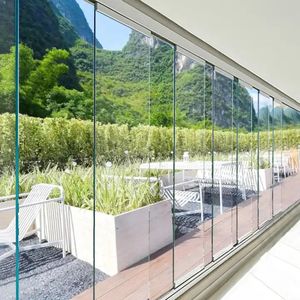
Sunroom Frameless Accordion Door Partition Wall Glass Curtain Exterior Bi Fold Door Hardware Aluminum Balcony Glass Door Patio
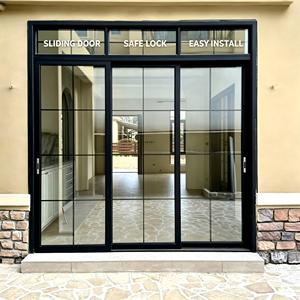
Aluminium Sliding Door French Style Double Glazed Low-E Waterproof UV Resistant Mosquito Screen Patio Villa Residential ODM
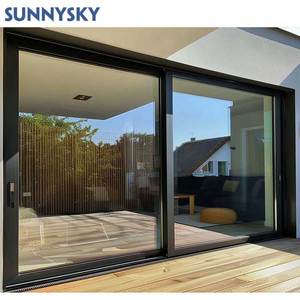
Sunnysky Factory Offers Custom Large Size Black Aluminum Frame Sliding Glass Doors for Home Hotel Villa House Patio Modern
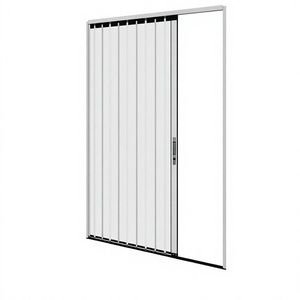
Aluminum & PVC Frame Clear Acrylic Sliding Folding Retractable Partition Door for Kitchen Staircase Outdoor Use
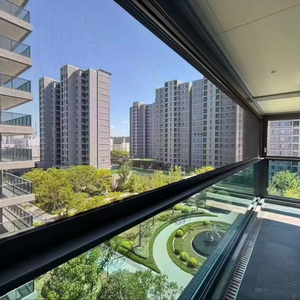
Custom Sliding Window Vertical Automatic Slide Tempered Glass Aluminum Electric Lift up Window for Villa Panoramic Window
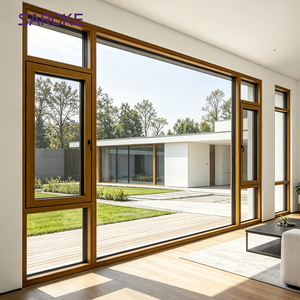
Premium Wood Grain Finish Aluminum Clad Wood Casement Windows for Timber Cladding Houses
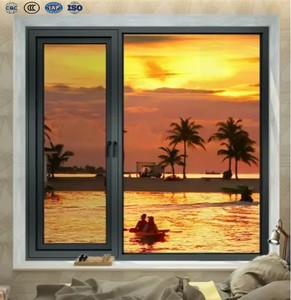
Modern Design Aluminum Alloy Soundproof Sliding Windows with Thermal Break and Mosquito Net for Bathroom Home Patio & Porch
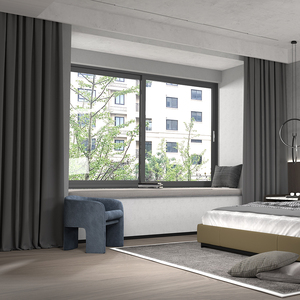
Australian Standard As2047 Soundproof Aluminum Framed Double Glazed Three or Two Track Aluminum Sliding windows With Flycreen
Why Global Developers & Glazing Contractors Partner with Us
Operating from China's central fenestration innovation hub in Foshan, Guangdong Dejiyoupin Doors and Windows Co., Ltd. (DERCHI) represents the pinnacle of industrial-scale aluminum engineering, compliant with global building codes.
180,000㎡ Production Footprint
Our intelligent mega-facility integrates multi-axis CNC extrusion processing, computerized thermal-break crimping, automated IG-line insulated glazing units, and robotic powder coating cabins capable of producing over 500,000 square meters of high-end fenestration annually.
Consolidated One-Stop Procurement
Eliminate multi-vendor friction by sourcing complete residential and commercial packages from a single accountable entity: primary aluminum sash windows, high-load pivot doors, curtain wall partitions, and automated garage entrances, optimized into unified container packing schedules.
Stringent Multi-Standard Certifications
Every sash profile and window envelope holds internationally audited testing credentials including Australian AS2047 (reaching the stringent N6 structural cyclonic wind-loading limit), North American NFRC/AAMA protocols, European CE marks, ISO9001 management, and UL fire ratings.
Complimentary CAD & BIM Engineering
Our dedicated engineering department provides turnkey structural calculations, thermal break FEA simulations, water table drainage layouts, and detailed shop drawings customized to regional building tolerances before metal extrusions touch precision saw tables.
24/7 Global Time-Zone Synchronicity
Our cross-border engineering taskforce bridges operational timelines between North America, Latin America, Oceania, and Europe, guaranteeing 24-hour turnaround on revisions, live video factory witness testing, and continuous technical container dispatch logistics.
Export-Grade Heavy Packaging Assurance
Long-haul maritime routes expose cargo to damp, saline air and extreme kinetic shifting. We protect every glazed sash with non-marking protective films, high-density polymer corner armor, vacuum desiccant packs, and steel-reinforced fumigated timber crates.
Strategic Procurement Shifts in Global Fenestration (2025–2030)
International project specifiers and high-volume window importers are moving beyond primitive unit costs toward holistic lifecycle performance, carbon accounting, and direct-to-mill fabrication oversight.
1. Total Thermal Envelope Decarbonization
Stricter energy efficiency codes worldwide (such as ASHRAE 90.1, Title 24, and the EU Energy Performance of Buildings Directive) require overall assembly U-factors below 1.2 W/(m²·K). Traditional non-thermal or narrow-cavity aluminum frames are being phased out in institutional bidding.
Procurement directors now mandate multi-chambered polyamide 66 with 25% glass fiber reinforcers (PA66GF25), continuous warm-edge spacer seals, and triple-silver Low-E gas-filled insulating glass units that actively mitigate thermal bridging in both extreme sub-zero and tropical conditions.
- Mandatory thermal barrier depths expanding from 14.8mm to 24mm–34mm.
- Life-Cycle Assessment (LCA) data demanded in B2B municipal and institutional bids.
- Verified low embodied carbon aluminum profiles smelted via renewable energy.
2. BIM/CAD Direct-to-Factory Integration
The gap between architectural intent and shop floor execution historically triggered costly on-site glazing alterations. Today's commercial procurement relies on parameterized Building Information Modeling (BIM) files directly parsed by the manufacturer's CAM systems.
This automated bridge allows architects to specify bespoke sash sightlines, specialized transom structural reinforcements, and custom sash counterweights without human transcription error, compressing product validation cycles from weeks down to single-day turns.
- Direct Revit & IFC file compatibility for automated bill of materials generation.
- Automated CNC profile milling programmed directly from digital architectural elevations.
- Virtual clash detection for mullion anchors and curtain-wall structural attachments.
3. Extreme Weather & Cyclone Resilience
With unpredictable global weather events and intense coastal typhoons, window frames are subject to catastrophic cyclic wind pressures and projectile impacts. Importers across coastal Australia, Florida, the Caribbean, and Southeast Asia reject generic residential extrusions.
Procurement frameworks strictly stipulate compliance with AS2047, ASTM E1886/E1996, and TAS 201/202/203 testing criteria. This entails laminated SentryGlas® or heavy PVB inner layers combined with internal steel structural stiffeners within the primary aluminum sash chambers.
- Structural design ultimate pressures exceeding 4500 Pa (N6 / C4 ratings).
- Integrated sub-sill flashing gutters preventing interior hydraulic back-siphonage.
- Heavy-duty four-bar stainless steel sash stays preventing torque shear failure.
4. Single-Source Consolidated Value Chains
Fragmented vendor models—buying sash extrusions in China, glass packages in Southeast Asia, and hardware from European distributors—expose real estate developers to severe shipping delays, customs finger-pointing, and voided component warranties.
The dominant macroeconomic procurement pattern leans heavily toward single-source factory manufacturing. A single tier-1 exporter provides extruded frames, factory-glazed insulated glass, precision German/European multi-point locking gear, and matched flashing accessories.
- Single unified warranty covering structural frame, glass seal integrity, and moving parts.
- Direct container optimization yielding up to 32% savings in ocean freight cubic meter waste.
- Single point of contact for replacement sash logistics and field service technical support.
Technological Roadmap of High-Performance Aluminum Sash Systems
Explore the industrial design shifts, micro-precision mechanics, and material sciences defining the next era of architectural sliding, vertical lifting, and casement sash assemblies.
Concealed Sash Balancer Mechanics
Traditional hung sash systems relied on cumbersome cords, pulleys, or visible spiral springs prone to friction fatigue. Next-generation systems feature internal precision torsional constant-force spring cartridges engineered into the jamb track, delivering effortless featherlight fingertip operation on sash leaves weighing over 120 kilograms.
Aerogel-Infused Thermal Cavities
As profile dimensions shrink to meet minimalist architectural aesthetics, standard polyamide insulation reaches its physical conductive limit. Pioneering manufacturers are backfilling extrusion hollow chambers with non-flammable aerogel foam composites, dropping frame conductivity values (Uf) down to an unprecedented 0.85 W/(m²·K).
Ultra-Narrow Bevel Minimalist Profiles
Modern luxury residences demand unobstructed optical clarity. Advanced high-yield structural aluminum alloys (6063-T6 and 6061-T6) permit face sightlines as narrow as 18mm to 28mm while sustaining superior moment of inertia against deflection, accommodating floor-to-ceiling glass panes without structural distortion.
Smart Mechatronic Sash Actuation
Vertical and horizontal sash frames are rapidly integrating concealed brushless DC servomotors linked directly into smart home and BMS automation. Integrated micro-sensors measure interior VOCs, humidity, and external barometric pressure to modulate airflow automatically, with optical anti-pinch safety curtains preventing injury.
Qualicoat Class 2 & Fluorocarbon Coatings
To resist 3,000+ hours of continuous neutral salt spray (ASTM B117) and extreme solar UV degradation in marine environments, surface treatment tech has progressed to architectural hyper-durable PVDF fluorocarbon (AAMA 2605) and multi-step anodizing reaching 25-micron depths, guaranteeing zero chalking or peeling over 25+ years.
Vulcanized EPDM Co-Extruded Gasketing
Traditional glued or push-in PVC weather-stripping inevitably hardens, shrinks, and cracks under solar cycling, destroying air tightness. Modern aluminum sash units utilize continuous vulcanized ternary ethylene propylene diene monomer (EPDM) corner-welded perimeter gaskets, maintaining elastomeric recovery for decades.
Frequently Asked Questions for Commercial Buyers & Importers
Clear, direct answers regarding technical parameters, export certifications, customization flexibility, and logistics handling for international aluminum sash window procurement.
Initiate Your Commercial Window Specification
Send your architectural elevation schedules, tender specifications, or CAD drawings directly to our Foshan engineering headquarters. Receive comprehensive structural analysis, thermal break calculations, and competitive factory-direct export quotations within 24 business hours.
Contact Us