Single Hung
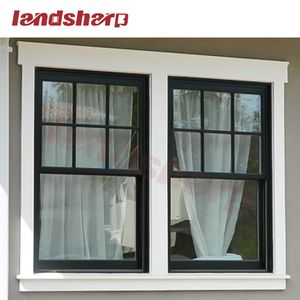
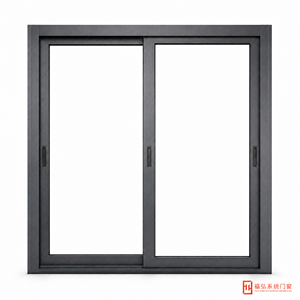
Modern French Aluminum Vertical Sash Windows
- Profile: 6063-T6 Alloy
- Glazing: Double Low-E Argon
- Style: French Sash Grid
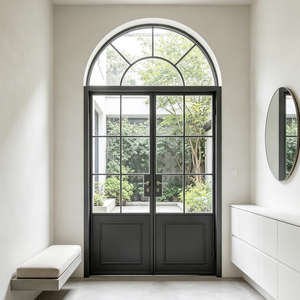
Crittall-style doors, characterized by clean rectilinear glazing bars and slim mullions, represent one of the most enduring design architectures in modern construction. Originally pioneered through hot-rolled steel during the industrial era, modern fenestration architecture demands an evolution. DERCHI re-engineers this iconic steel heritage using precision aerospace-grade 6063-T6 aluminum alloys and advanced thermal break engineering. This delivers classic narrow-sightline aesthetics while achieving modern standards for thermal insulation, acoustic isolation, and weather resistance across luxury villas, boutique commercial storefronts, and interior acoustic enclosures.
Engineered for extreme structural loads, superior thermal barriers, and architectural versatility.
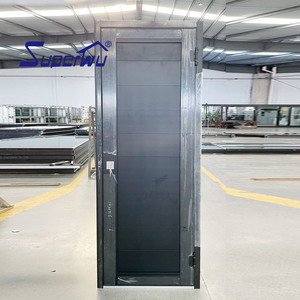
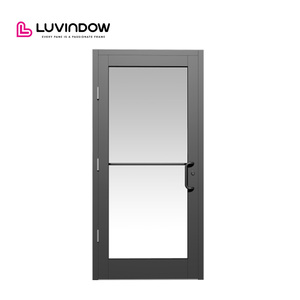
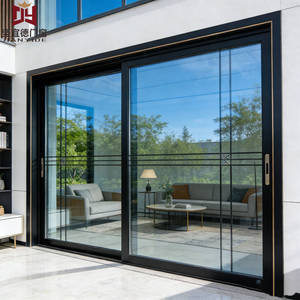
Traditional Crittall doors manufactured from solid hot-rolled steel provide authentic industrial character, but their performance profile presents challenges in modern green building projects. Steel has an exceptionally high thermal conductivity of approximately 50 W/mK, turning early steel profiles into severe thermal bridges that cause surface condensation, profile sweating, and accelerated heating and cooling energy loss. Furthermore, untreated or poorly treated steel rusts in coastal marine zones and tropical environments.
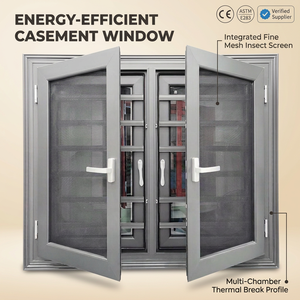
DERCHI’s aluminum Crittall-style assemblies utilize structural 6063-T6 aluminum alloys with thermal barriers engineered using polyamide (PA66 GF25) insulating struts. This breaks the conductive path between interior and exterior skins, reducing overall fenestration U-values down to 1.4–1.8 W/m²K when combined with warm-edge insulated glass units (IGUs). Aluminum's extrusion precision enables complex internal multi-cavity chambers that accommodate integrated multi-point locking systems, dual compression EPDM weather seals, and concealed drainage pathways—capabilities impossible to achieve with standard solid steel mullions.
Critical technical considerations shaping architectural specifications and supply chain requirements through 2026–2030.
Global procurement teams prioritize aluminum over steel to lower freight deadweight by up to 55%. This weight reduction substantially cuts carbon taxes, lowers ocean container shipping tariffs, and streamlines site maneuvering without requiring structural slab reinforcement or heavy crane hoisting during urban installations.
Interior Crittall partitions and office suite dividers now routinely demand verified laboratory acoustic ratings between STC 38 and STC 44. Procurement specifications favor extruded aluminum profiles capable of receiving 12.76mm acoustic laminated glass with PVB/SGP interlayers and continuous perimeter compression drop seals.
Modern B2B contractors require rapid design turnaround. Direct access to manufacturer engineering teams for millimeter-accurate CAD shop drawings and BIM parametric models reduces field-measuring adjustments, mitigates subcontractor scheduling disputes, and prevents costly structural refits on job sites.
How modern manufacturing technology addresses extreme wind loads, building energy efficiency, and aesthetic demands.
The market is shifting away from flat stick-on muntin tape toward CNC-interlocked internal structural grid matrices and architecturally authentic beveled putties. This ensures genuine shadowlines, mechanical stability, and prevents warping or peeling caused by high thermal cycling and UV radiation.
Modern residential and hospitality entries demand modern access control without compromising slim Crittall mullions. Engineers develop narrow-backset mortise locking mechanisms (25mm–30mm) that house biometrics, RFID, and smart-home automation within the slender perimeter stile.
To resist coastal oxidation and industrial pollution, DERCHI implements automated 3-coat fluorocarbon (PVDF) and AkzoNobel Qualicoat Class 2 architectural powder lines. These finishes deliver unmatched gloss retention and surface durability, outlasting traditional steel enamel in saline and high-humidity climates.
Rooted in Foshan—the world’s foremost aluminum fabrication hub—we merge industrial capacity with rigorous compliance.

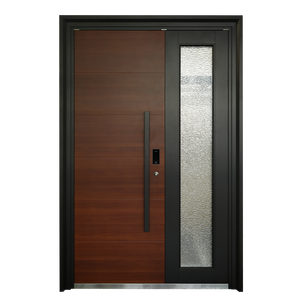
Full project consolidation: exterior Crittall French doors, matching vertical sashes, high-security cast aluminum main entry doors, and interior acoustic sets assembled and crated within one factory.

Our structural assemblies are verified to international benchmarks including CE, ISO9001, AS2047 cyclonic standards, and UL fire test protocols, providing full testing documentation for municipal building control.

Our dedicated fenestration design department provides complimentary CAD shop drawings, dynamic wind-pressure load calculations, and tailored glass build-ups tailored to your architectural elevations.

Exporting to over 60 countries across North America, South America, Oceania, and Europe, our crating uses IPPC fumigated, reinforced plywood boxes with moisture barriers for reliable sea freight transit.
Clear, practical answers for commercial project specifiers, general contractors, and trade importers.
Consult with our structural engineering team, review CAD details for your specific wall conditions, or request an itemized project estimate for immediate container freight shipping.
Send an Inquiry