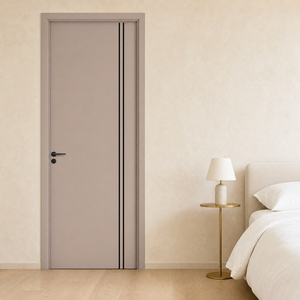
Structural Portfolio
Engineered Exterior Systems for Global Projects
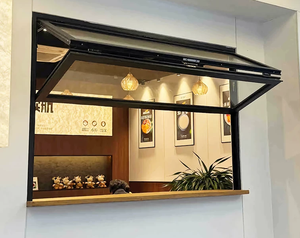
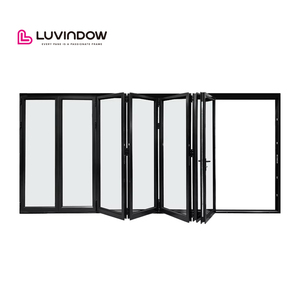
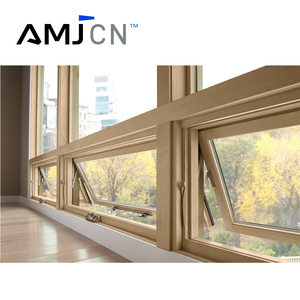
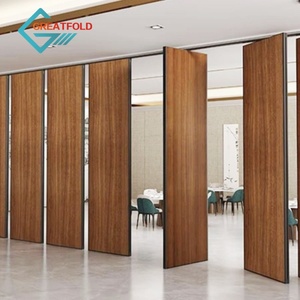
Direct from our certified Foshan manufacturing complex, explore precision-milled aluminum outdoor portals, thermal-break sliding barriers, and dynamic structural glass systems built to exceed AS2047, CE, and Florida Impact testing protocols.
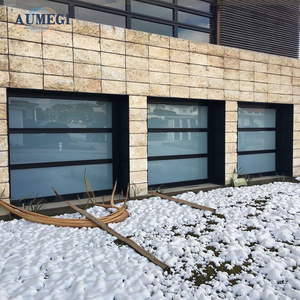
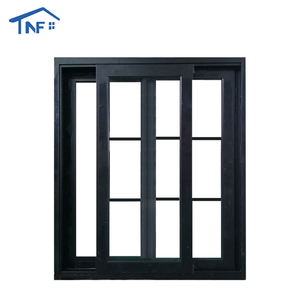
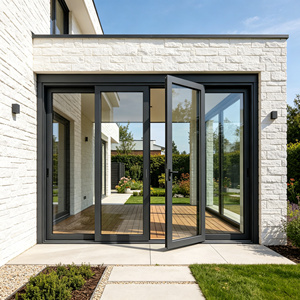
Enterprise Validation
Foshan Industrial Strength: Certified Global Reach
Operating as the export division of Guangdong Dejiyoupin Doors and Windows Co., Ltd. (DERCHI), we provide institutional procurement entities with direct access to Tier-1 manufacturing scale, multi-standard testing data, and comprehensive cross-border logistics support.
25+
Years Engineering
180k㎡
Factory Floor Area
600+
Specialized Crew
100+
Patents & Tests
Tier-1 Alloy Extrusion (6063-T5/T6)
We source ultra-pure primary architectural aluminum billet, avoiding recycled scrap contamination. Profile wall thicknesses exceed 2.0mm to 3.0mm, ensuring uncompromised wind load deflection performance (design pressure values exceeding 4500 Pa) under extreme storm exposure.
Multi-Jurisdiction Compliance
Export configurations are tested directly to North American NFRC/AAMA criteria, European CE EN14351-1 safety guidelines, and Australian AS2047 N6 structural thresholds, accompanied by verifiable structural calculations and physical wind-tunnel test data sheets.
Full Container Cargo Consolidation
Leverage our complete catalog to consolidate high-performance outdoor pivot doors, thermal-break patio sliders, garage barriers, and interior flush doors within unified FCL containers, eliminating fractional LCL damage risk and reducing ocean freight fees by up to 28%.
BIM & Parametric CAD Verification
Our dedicated architectural department converts conceptual elevations into full-scale shop drawings within 48 hours. We verify clear opening tolerances, threshold floor-line intersections, drainage channel routes, and concealed floor-closer recesses before cutting starts.
Industry Intelligence
Exterior Doors: Procurement & Technology Trends
As climate volatility intensifies and building codes push toward net-zero embodied carbon, commercial and residential exterior fenestration is experiencing an engineering transformation.
Polyamide Thermal Barriers
Rising energy tariffs are making non-thermal aluminum obsolete for luxury builds. Modern outdoor doors employ continuous multi-chambered PA66 GF25 (25% glass fiber reinforced polyamide) structural struts, lowering overall U-values below 1.2 W/m²K while eliminating condensation run-off in extreme thermal transitions.
Ultra-Large Scale Pivot Engineering
Architects are standardizing on majestic exterior apertures reaching 4 to 6 meters in height and up to 2.5 meters in width. Managing sash weights exceeding 500 kilograms demands precision concealed bottom pivot plates, oil-buffered dampening mechanisms, and laser-aligned frame corner cleats.
Access Control & Multipoint Security
Standard mortise latches are being replaced by automated motorized locking bars driven by biometrics, encrypted RF codes, and whole-home automation integration. Multi-point tongue mechanisms actively engage top, strike, and threshold keepers simultaneously upon door closure.
Fluoropolymer Surface Resistance
For coastal and saline environments, standard polyester coatings deteriorate rapidly. Procurement protocols now prioritize PVDF (Polyvinylidene Fluoride) 3-coat finishes and marine-grade Qualicoat Class 2 certified anodized treatments resisting salt-spray degradation for over 3,000 continuous hours.
Institutional FAQ
Procurement & Engineering Due Diligence
Addressing engineering specifications, crating logistics, weather testing, and OEM parameterization for professional project specifiers.
What metallurgical alloys are utilized for outdoor structural frames?
We exclusively utilize primary 6063-T5, 6063-T6, and architectural-grade 6061-T6 aluminum alloys. These alloys provide the optimal tensile strength-to-weight ratio required for structural wind loads while offering high malleability for precise extrusion geometries and tight corner cleat crimping. Virgin billets eliminate inner structural voids common in scrap re-melts, guaranteeing structural safety under high wind stress.
How do your outdoor aluminum systems achieve air and water impermeability?
Air and water resistance are achieved through a three-stage barrier design. We incorporate multi-point compression EPDM or silicone-hybrid dual-lip weather-stripping that maintains elastic memory across -40°C to +80°C. For heavy rain environments, frame sub-sills include integrated pressure-equalized weep holes with back-draft baffle dampers that prevent water intrusion during positive external air pressure loads.
What are your standard export crating protocols for overseas ocean freight?
Outdoor doors undergo a robust multi-layer export crating protocol: first, complete wrapping in 0.08mm electrostatic anti-scratch PE film; second, high-density edge guard protectors fitted around all profiles; third, enclosed packaging within impact-absorbing honeycomb cellular board; and finally, placement inside fully-fumigated solid ISPM-15 compliant plywood crates with moisture-absorbent desiccant packets, engineered for multi-tier ocean container stacking.
Can customized hardware (dormakaba, HOPPE, Siegenia) and smart systems be pre-machined?
Yes. We utilize 4-axis and 5-axis CNC machining centers to mill cutouts directly according to your specific hardware templates. Whether integrating European multi-point mortise locks (HOPPE, Siegenia, GU), concealed overhead hydraulic closers (dormakaba, Geze), or electronic mortise locks featuring facial recognition and RS485 dry-contact connections, systems arrive pre-drilled for fast site assembly.
How do you verify structural dimensional accuracy before dispatch?
Every custom production lot undergoes pre-assembly on precision inspection tables at our Foshan facility. Our QC team checks sash squareness across diagonal measurements (tolerance within ±1.0mm), smooth bearing operation, lock alignment, and gasket compression before factory release. Full high-definition trial-assembly videos and multi-angle verification photos are submitted to your project manager for review before crating.
What is the standard production lead time for tailored container-load orders?
Standard lead times for custom-engineered aluminum exterior door schedules run 25 to 35 calendar days following shop drawing sign-off and receipt of deposit. Standard colors (Matte Black, Architectural White, Dark Bronze) proceed rapidly; custom RAL powder matching, specialist fluoropolymer finishes, or custom laminated Low-E insulated glass configurations require roughly 35 to 40 days to ensure proper curing and thermal-cycling checks.
Initiate Your Architectural Door Schedule
Connect with our technical export division. Submit your structural drawings, opening schedules, and performance requirements to receive verified CAD details and comprehensive factory-direct FOB/CIF pricing within 24 hours.
Get a Quote