Flagship Aluminium Window & Door Engineering Series
Precision-machined architectural fenestration systems manufactured with prime 6063-T6 billet alloys, multi-chambered polyamide PA66 thermal barriers, and dual-sealed argon gas insulated glazing units.
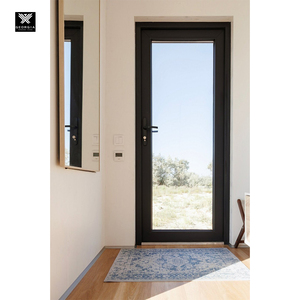
Thermal Break Patio Door with Tempered Glass Casement Swing
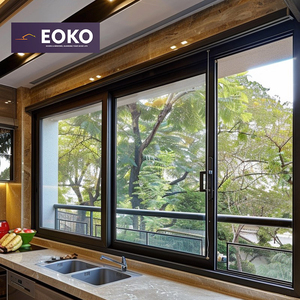
EOKO Impact-Resistant Panoramic Double Glazed Sliding Window
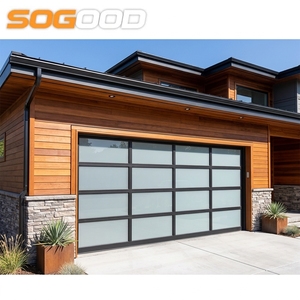
8x7 Frosted Tempered Insulated Glass Pocket Overhead Door
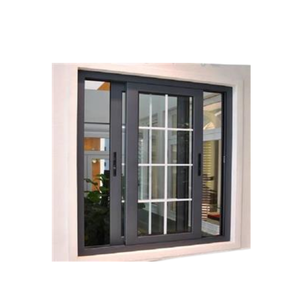
Aluminium Sliding Double Glazed Window with Magnetic Blinds
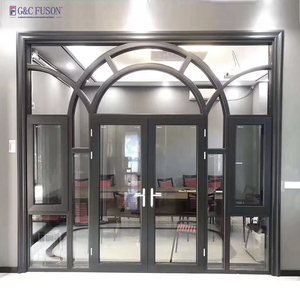
Fuson Luxury Heavy Commercial Casement Swing Door
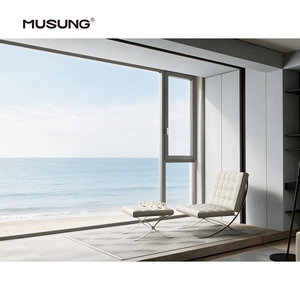
High-Efficiency Thermal Break Low-E Casement Window
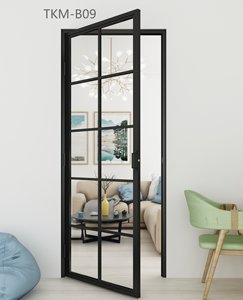
Interior French Loft Ultra-Slim Narrow Stile Hinged Barn Door
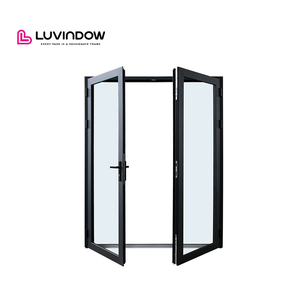
Heritage Series Energy-Saving Architectural Aluminum Swing Door
Foshan Manufacturing Pedigree: Engineered for Global Structural Compliance
Operating out of China's primary industrial fenestration cluster in Foshan, Guangdong Dejiyoupin Doors and Windows Co., Ltd. (DERCHI) represents over 25 years of engineering mastery in high-performance building envelopes. Our 180,000 square meter integrated mega-facility bridges the gap between massive architectural customisation and stringent international building codes.
Equipped with 5-axis German CNC profile machining centres, automated corner crimping lines with dual-component structural polyurethane injection, and robotic IGU argon-charging lines, we maintain complete fabrication autonomy. Every aluminium extrusion undergoes strict billet alloy spectrometer verification, anodizing micron depth calibration, and structural load simulation prior to field dispatch.

Single-Source Fenestration
Consolidate your entire project envelope—from entrance pivot doors, cast aluminium villa gates, and thermally broken casements to automatic garage systems—into one factory contract, eliminating jobsite dimensional discrepancies.
Verified Code Compliance
Structural wind loading, water tightness (1000 Pa+), and air infiltration parameters are laboratory certified to AS2047, CE, AAMA/WDMA/CSA, and ASTM hurricane impact standards, providing engineering sign-off certainty.
Bespoke Shop Drawings
Our in-house facade structural engineers generate free CAD shop drawings, glass wind deflection calculations, and thermal modelling files for every opening schedule prior to profile extrusion and CNC milling.
Export-Crated Sea Logistics
Each window and door assembly is individually wrapped in anti-scratch protective film, corner-guarded, and secured in fumigated steel-reinforced wooden crates engineered for open-sea container shipping without moisture ingress.
Rigorous International Testing & Accreditations
Fenestration performance must never rely on unchecked declarations. Every DERCHI extrusion geometry, thermal barrier joint, and laminated glass configuration has undergone comprehensive physical chamber testing. We supply project engineers with full third-party test reports covering ultimate limit state (ULS) wind pressure, air permeability, water penetration resistance, and operational cycle longevity.


Technological Evolution & Fenestration Trends
Modern architectural envelope standards demand dramatic reductions in building operational carbon, requiring advanced material science, multi-cavity thermal barriers, and precision glazing configurations.
Multi-Cavity PA66 GF25 Iso-Bars
Standard polyurethane pour-and-debridge methods are obsolete for modern energy envelopes. State-of-the-art systems utilize multi-cavity polyamide 66 reinforced with 25% glass fibre (PA66 GF25), lowering overall window U-values below 1.2 W/m²K while maintaining structural stiffness against thermal expansion.
- Reduces condensation risks along interior frame edges
- Eliminates thermal bridging in harsh continental climates
- Preserves structural transverse pull-off resistance over 35 years
Asymmetric Glazing & Acoustic PVB
Urban residential density and transport corridors demand high acoustic mitigation. Modern fenestration design pairs unequal glass pane thicknesses (e.g., 6mm exterior + 4mm interior) with specialized sound-damping polyvinyl butyral (Acoustic PVB) laminations to disrupt resonant frequency transmission.
- Achieves Rw / STC performance ratings in excess of 42 dB
- Cancels low-frequency vehicular and aircraft noise frequencies
- Preserves optical clarity without secondary glazing bulk
Cyclonic Wind Load & Impact Defense
Extreme weather resilience has shifted from an emergency specification to a mandatory structural baseline. Window profile extrusions utilize reinforced 6063-T6 profiles with web thicknesses reaching 3.0mm, paired with SentryGlas (SGP) ionoplast interlayers to resist repetitive cyclic pressure and projectile strikes.
- Tested to withstand over 4,500 Pa positive & negative pressures
- Prevents structural wall decompression during major storms
- Sub-frame anchoring with multi-point stainless steel fasteners
Ultra-Slim Sightlines & Concealed Hardware
The minimalist aesthetic demands maximized glass-to-frame ratios. Advanced profile engineering conceals sash frames behind outer perimeter jambs while embedding heavy-duty multi-point German gearing (Siegenia / GU / Roto) directly into the extrusion euro-groove, delivering invisible security.
- Sightlines narrowed down to 16mm - 38mm visible jamb faces
- Concealed friction hinges supporting sash weights up to 300kg
- Flush sill transitions compliant with barrier-free accessibility
Fluorocarbon PVDF & Marine Qualicoat
Coastal salt fog and intense UV degrade standard architectural coatings within 36 months. Modern commercial manufacturing mandates multi-coat fluorocarbon polyvinylidene fluoride (PVDF) liquid finishes or Qualicoat Class 2 / AAMA 2605 powder systems that resist chalking and color fading.
- Tested for 4,000+ hours in continuous neutral salt spray chambers
- Resists extreme solar UV degradation in equatorial regions
- Self-cleaning hydrophilic properties reduce building maintenance
BMS Integration & Motorized Actuation
Intelligent building facades require windows and doors to operate as active climatic regulators. Modern aluminium fenestration incorporates concealed 24V DC magnetic chain actuators, magnetic contact reed switches, and dynamic electrochromic glass connected directly to central Building Management Systems.
- Automated night purging for natural thermal chimney cooling
- Integrated biometric security, RFID, and smartphone access
- Concealed power bus channels within thermal break isolators
Future Procurement Trends for Global Developers
Navigating international supply chains requires a thorough understanding of evolving carbon mandates, digital design integration, and life cycle cost methodologies.
Decarbonized Aluminium & EPD
International green building rating systems (LEED v4, BREEAM, Green Star) now prioritize embodied carbon metrics. Developers are mandating verified Environmental Product Declarations (EPDs) demonstrating low-carbon smelting using hydroelectric power and recycled scrap alloy fractions.
Direct Factory BIM Integration
Procurement teams are skipping intermediaries to work directly with factory engineering departments capable of delivering parametric Revit and ArchiCAD families at Level of Development (LOD) 350 to 400. This eliminates costly jobsite clash detections between curtain walls and structural slabs.
Single-Container Consolidation
Global supply chain volatility has made fragmented procurement financially hazardous. Smart contractors are consolidating entry systems, high-rise ribbon windows, frameless glass balustrades, and interior partition sets into scheduled full container load (FCL) shipments from a single accountable producer.
Life Cycle Cost Analysis (LCCA)
Purchasing decisions are departing from low-bid unit pricing toward 30-year operational lifecycle cost models. High-efficiency thermal break assemblies pay back initial capital expenditure premiums within 4 to 6 operational years through substantial HVAC kilowatt-hour load reductions.
Commercial Procurement & Engineering FAQ
Definitive engineering and logistics answers for general contractors, commercial developers, registered architects, and quantity surveyors importing architectural fenestration systems.
Initiate Your Architectural Project Technical Review
Connect directly with our senior fenestration facade engineers. Submit your window schedule, project CAD elevations, or architectural tender specifications to receive free engineering shop drawings, thermal compliance analysis, and direct factory container pricing within 24 business hours.