Product Solutions
High-Performance Architectural Openings Portfolio
Manufactured using aerospace-grade 6063-T6 aluminum alloys, precision thermal breaks, impact structural glass, and multi-point lock matrices. Review our vetted product selections optimized for high-traffic, harsh-climate, and luxury residential projects.
25+
Years Manufacturing Mastery
180,000㎡
Intelligent Production Facility
600+
Specialized Engineers & Crew
100+
Patents & Global Certifications
Industry Whitepaper
The Evolution of Aluminium Composite Doors: Engineering & Market Dynamics
In modern architectural design, the entrance door has shifted from a basic physical barrier to an active building envelope component. Specifiers, project developers, and general contractors now balance ultra-low U-values, structural wind loads, and intelligent access integration.
Thermal Separation & Aerogel Cores
Traditional hollow aluminum door leaves create cold bridging, causing surface condensation and energy transfer. Next-generation systems integrate polyamide nylon (PA66 GF25) thermal breaks combined with aerogel infills and high-density polyurethane (PUR) thermal cores. This lowers overall system U-values below 0.85 W/m²K, meeting strict Passive House standards without sacrificing shear structural integrity.
Multi-Material Composite Panels
Modern composite designs bond distinct materials to balance stability and aesthetics. An outer architectural layer of fluorocarbon-coated (PVDF) aluminum or cast aluminum provides weather resistance and scratch protection. Internally, multi-layer sound deadening boards, high-rigidity honeycomb matrices, and solid timber backings achieve up to 45 dB acoustic attenuation (Rw).
Mechanical Defense & Smart Locking
Today's architectural doors demand certified physical security, complying with European RC3/RC4 and North American ASTM impact standards. Hidden mortise multi-point lock matrices integrate hardened steel hook bolts with automated electromagnetic motorized drops, fully interfacing with commercial building automation systems, biometrics, and secure home protocols.
Strategic Sourcing
Future Procurement Trends for Global B2B Specifiers
Commercial developers, distribution wholesalers, and luxury villa contractors are transforming their international supply chains. Key shifts include consolidation, tighter ESG compliance, and end-to-end design verification.
| Procurement Dimension | Legacy Sourcing Approach | Next-Generation Strategic Protocol | Key Operational Benefit |
|---|---|---|---|
| BIM & Engineering Approval | Manual paper drawings and standard sizing catalogs | Parametric Revit BIM models and verified CAD shop drawings | Eliminates on-site dimension rework; speeds design-freeze cycles |
| Climatic Customization | Universal off-the-shelf single profile structures | Regional engineering: Fluorocarbon/PVDF for salt coasts, high wind load profiles for high-rises | Prevents frame torsion, surface pitting, and long-term warranty disputes |
| Logistics & Consolidation | Separate vendor procurement across doors, garage, and hardware | Single-factory whole-envelope consolidation (Entry, Windows, Bi-folds, Gates) | Saves 25-40% on ocean freight, customs brokerage, and container space |
| Compliance Verification | Generic, unverified declaration sheets | Verified physical lab test reports: CE (EN 14351-1), NFRC, AS2047, UL Fire Rating | Guarantees building code clearance across strict municipal jurisdictions |
Monolithic Pivot Architecture
Oversized architectural pivot doors (exceeding 1.8 meters in width and 3.5 meters in height) are becoming standard in high-end projects. Sourcing shifts focus heavily toward concealed, heavy-duty floor-spring load ratings (up to 500kg), adjustable axis bearings, and internal anti-warping tie rods that withstand wind pressure.
Whole-Envelope Consolidated Sourcing
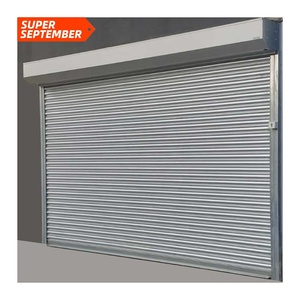
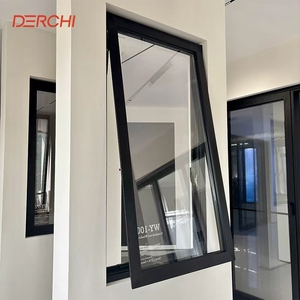
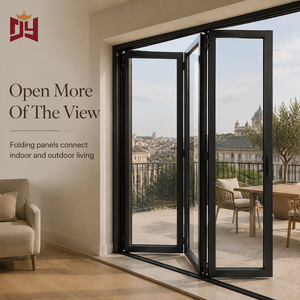
International buyers are moving away from multi-vendor models to reduce administrative and shipping costs. Consolidating high-performance composite entrance units, minimalist patio bifold doors, impact-resistant casements, and automated security garage systems into a single factory run cuts ocean logistics costs by up to 35%.
Enterprise Advantage
DERCHI Industrial Strength: Why Leading Developers Partner With Us
Operating as the export division of Guangdong Dejiyoupin Doors and Windows Co., Ltd. from Foshan, China's core manufacturing cluster, our industrial capabilities provide direct, measurable value to international project supply chains.
180,000㎡ Intelligent Facility
Fully vertically integrated manufacturing covering high-precision CNC profile extrusion, automated glass tempering, insulating glazing, and clean-room assembly lines for consistent tolerances.
Certified Global Compliance
All product lines are rigorously certified to CE, ISO9001, Australian AS2047, North American NFRC, and UL fire standards, with full engineering test data available on request.
Complimentary CAD/BIM Drawings
Our dedicated engineering department prepares custom project drawings, structural load calculations, and tailored anchor details for every opening before raw materials enter production.
Export-Grade Protective Crating
Heavy-duty, fumigated multi-layer plywood cases, non-marking film lamination, corner impact dampening, and moisture desiccant packs ensure zero-damage deliveries across global ports.
Procurement Guidance
Frequently Asked Questions on Aluminium Composite Door Procurement
Technical, financial, and logistics guidance for architects, procurement directors, and building envelope engineers.
What core structural differences separate aluminium composite doors from standard aluminium doors?
Standard aluminium doors typically feature single-chamber or basic hollow extrusions with simple infill glass or panels, making them susceptible to cold bridging, sound transmission, and thermal deflection. In contrast, engineered aluminium composite doors incorporate multi-layer sandwich construction. They combine an exterior architectural-grade aluminium skin (with high-performance powder coating or PVDF finishes) with an internal structural composite core, such as high-density polyurethane foam, mineral wool, or aluminum honeycomb. This is coupled with multi-chamber thermal break barriers (PA66 GF25). The composite architecture delivers superior thermal values (U < 0.9 W/m²K), certified acoustic attenuation, and enhanced anti-intrusion rigidity (RC2/RC3 rating).
How does the factory guarantee performance in harsh coastal and high-UV environments?
Coastal environments present severe risks of salt spray pitting and galvanic corrosion, while tropical zones cause UV surface chalking. Our composite doors utilize marine-grade 6063-T6 or 6061-T6 aluminum alloys pre-treated with chrome-free conversion coatings. For exterior finishes, we apply premium Qualicoat-certified architectural powders or advanced 3-coat/2-bake fluorocarbon PVDF resins exceeding AAMA 2605 specifications. All external hardware components, pivot hinge assemblies, and handle shafts are fabricated from grade 316 stainless steel or coated with multi-layer Dacromet anti-corrosion protection, verified by over 1,000 hours of neutral salt spray (NSS) testing.
What technical details and documentation are required to initiate custom CAD shop drawings?
To provide accurate CAD shop drawings and precise cost breakdowns on the first revision, we request: rough opening structural dimensions (width, height, and finished floor datum), preferred swing orientation (in-swing, out-swing, or offset pivot axis), thermal performance targets (U-value or climate zone), glass parameters (double/triple IGU, laminated safety, Low-E specifications), hardware preferences (manual multi-point lock, keyless biometric, or building access control integrations), and project destination port for shipping verification.
Can whole projects be consolidated across entry doors, windows, and garage openings in one shipment?
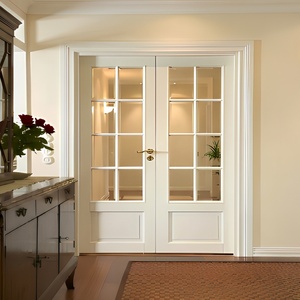
Yes. A primary operational advantage of our 180,000㎡ industrial footprint is total building envelope consolidation. Importers and contractors can combine luxury pivot entrance doors, interior minimalist swing doors, slim-frame patio bifolds, thermal casement windows, and automated garage door systems into single 40ft HQ shipping containers. This consolidation minimizes sea freight costs, eliminates mixed-supplier logistics errors, and synchronizes on-site installation schedules.
What international testing standards and third-party certifications are on file?
Our manufacturing processes follow strict ISO9001:2015 quality assurance protocols. Finished fenestration systems hold verified certifications, including European CE (EN 14351-1), Australian AS2047 (N6 wind load and structural water tightness), North American NFRC (thermal transmission and solar heat gain coefficients), and UL fire door classifications. Third-party testing reports verifying air infiltration, static water resistance, and structural integrity are supplied alongside shop drawings.
What after-sales, technical installation, and warranty frameworks are provided to overseas buyers?
Every shipment includes labeled unit schedules, exploded 3D installation diagrams, and comprehensive hardware adjustment manuals. For commercial developments and luxury estates, our technical engineering team provides real-time video installation support aligned with your regional business hours. System frames and structural composite panels are backed by our standard 10-year factory warranty, supported by rapid-dispatch spare parts logistics.