Global Fenestration White Paper
Engineering Integrity in Modern Storm Defense
As coastal vulnerability, high-velocity hurricane zones (HVHZ), and extreme climatic shifts drive structural specifications globally, industrial-grade aluminum storm doors have progressed from simple seasonal add-ons into vital exterior pressure-equalized envelope systems. Chinese advanced manufacturing now bridges rigorous international codes with sustainable architectural extrusion science.
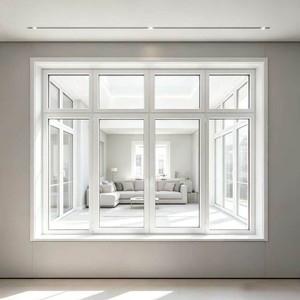
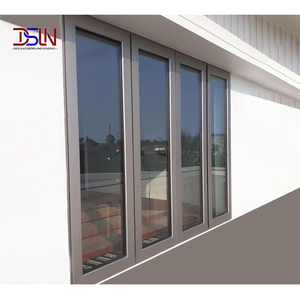
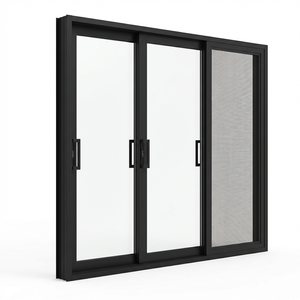
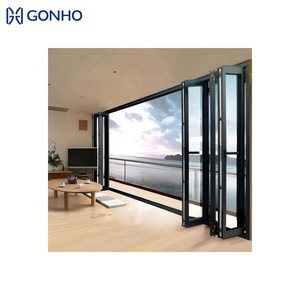
Manufacturing Capabilities
Why Global Specifiers Partner with DERCHI
Operating out of the premier Foshan fenestration hub, Guangdong Dejiyoupin Doors and Windows Co., Ltd. (DERCHI) combines heavy structural extrusion technologies with German-engineered assembly standards.
One-Stop Consolidation
Streamline logistical footprints by co-loading storm systems, custom pivot doors, cast aluminum entries, and fenestration suites in uniform 40HQ containers, mitigating terminal handling damages.
Certified Code Verification
Engineered to satisfy ASTM E1886/E1996, NFRC thermal standards, AS2047 cyclonic impact thresholds, and CE security classifications. Structural test reports are generated per project schedule.
Engineering CAD Customization
Our dedicated drafting team provides free detailed structural submittals, CAD shop drawings, glass wind-load calculations, and anchored sub-frame configurations for architectural approval prior to production.
24/7 Time-Zone Alignment
Cross-border commercial teams coordinate directly across North American, European, and South American business windows, ensuring technical resolution, virtual plant inspection, and responsive logistics.
Technical White Paper
Structural Storm Profile Engineering: 6063-T5/T6 vs Standard Alloys
Evaluating the architectural mechanics, cyclonic deflection resistance, and metallurgical parameters of China-sourced industrial storm doors.
| Engineering Metric | Standard Commercial Storm Door | DERCHI Industrial Storm Specification | Operational & Structural Benefit |
|---|---|---|---|
| Alloy & Temper | Generic 6063-T4 / Recycled Billets | Primary 6063-T5 / 6063-T6 Pure Ingot Extrusions | Yield strength increased by >38%; eliminates frame warp under gust fatigue. |
| Wall Thickness | 1.2 mm – 1.4 mm | 2.0 mm – 3.0 mm Reinforced Chambers | Accommodates heavy multi-point locking pins without hardware pocket tear. |
| Thermal Transmittance | Non-Thermal Solid Aluminum (U-val ~ 1.2) | Polyamide PA66 GF25 Thermal Breaks (U-val < 0.35) | Eliminates internal surface condensation and reduces HVAC conduction losses. |
| Glazing Barrier | Single Annealed / Low-Tempered Glass | SentryGlas® (SGP) / PVB Laminated Dual Low-E | Withstands Level D/E Missile Impact; keeps envelope sealed upon glass fracture. |
| Surface Corrosion | Standard Anodizing (Class II, 10μm) | Fluorocarbon (PVDF) 3-Coat or Qualicoat Class 2 Powder | Passes 3,000+ hours neutral salt spray; immune to marine coastal degradation. |
Parameters verified through calibrated pressure testing chambers up to +/- 4500 Pa cyclic wind-load simulations conforming to ASTM and AS2047 testing suites.
Strategic Procurement Analysis
Future Sourcing & Procurement Trends (2025–2030)
Anticipating procurement vectors helps international B2B buyers de-risk multi-year residential developments and commercial fenestration supply chains.
1. Rise of Hurricane-Rated Minimalist Sightlines
Architectural demand is rapidly abandoning bulky perimeter frames in favor of ultra-narrow profiles (20mm–35mm) backed by hidden structural steel reinforcements. Importers are prioritizing doors that combine unobstructed panoramic sightlines with severe impact ratings.
2. Integrated Smart Access & Perimeter Defense
Future-ready storm doors increasingly integrate recessed magnetic multi-point lock actuators, biometric sensors, and concealed electronic door checks. These communicate seamlessly with centralized residential BMS protocols without sacrificing pressure seals.
3. Embedded Low-Carbon Circular Aluminum
With global sustainability frameworks (such as CBAM and LEED certification mandates) expanding, Tier-1 developers demand low-carbon hydro-powered or renewable-smelted aluminum profiles featuring verified Environmental Product Declarations (EPDs).
Procurement Knowledge Base
Frequently Asked Technical Questions (FAQ)
Direct insights covering engineering compliance, logistics containerization, and custom fabrication workflows.
How do DERCHI aluminum storm systems satisfy coastal building codes (e.g., HVHZ / AS2047)?
Our systems utilize specialized marine-grade 6063-T6 aluminum extrusions paired with laminated safety glass incorporating SentryGlas® (SGP) interlayers. Frames feature internal reinforcing steel stiffeners and high-memory EPDM/Santoprene dual perimeter gaskets that maintain water-tightness under dynamic water spray rates up to 15 psf and cyclic pressures exceeding +/- 70 psf.
What are the containerization methods used to protect powder-coated finishes during oceanic shipping?
Export goods undergo a rigorous five-stage crating process: (1) low-tack protective film directly applied on aluminum extrusions, (2) moisture-absorbing desiccant and bubble-wrap enclosure, (3) high-density foam corner protectors, (4) fumigated solid plywood crates with integrated forklift skids, and (5) steel strapping within the container to prevent any transit movement during ocean voyages.
Can we order custom sizing, custom hardware pre-machining, and OEM configurations?
Yes. Every unit is engineered to match bespoke project opening schedules. Our German 4-axis and 5-axis CNC machining centers pre-drill and rout mortise lock pockets, concealed hinges, overhead closers, and flush thresholds to 0.1 mm tolerances based on your approved CAD shop drawings.
What is the standard production lead time for full commercial containers (20GP/40HQ)?
Standard lead times range between 25 to 35 business days following final CAD drawing sign-off and glass procurement confirmation. Fast-track production runs can be scheduled for phased developer deliveries across Latin America, North America, Oceania, and the Caribbean.
What is the minimum order quantity (MOQ) for custom architectural profiles and finishes?
For standard profile configurations with custom sizing, our MOQ is flexible (accommodating bespoke luxury residential projects). For entirely custom extrusion dies and proprietary profile designs, our engineering department facilitates prototyping with a low minimum order threshold of 300 square meters.
Ready to Engineer Your Project's Storm Envelope?
Submit your architectural schedule, custom CAD drawings, or container procurement requirements. Our senior fenestration export engineers provide complete structural reviews and project estimations within 24 hours.