Impact & Thermal
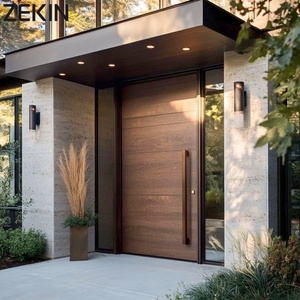
ZEKIN Modern American Design Heat Insulation Fire Prevention Entrance Pivot Door
Commercial / Estate
Specs →
Precision-tested against extreme cyclic pressure, dynamic wind-driven rain, and high-impact projectile tests. Explore our benchmark systems built for coastal and storm-prone regions.
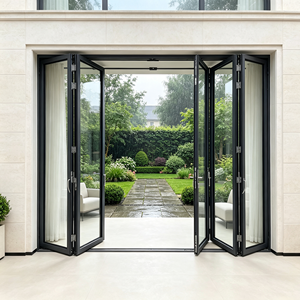
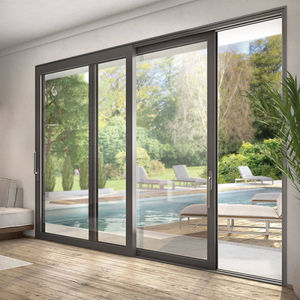
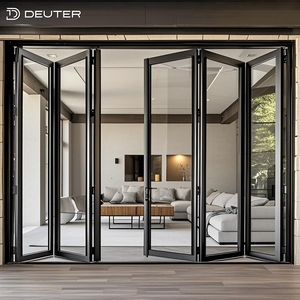
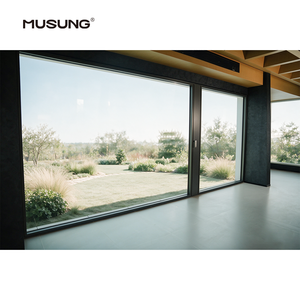
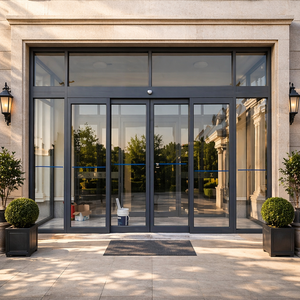
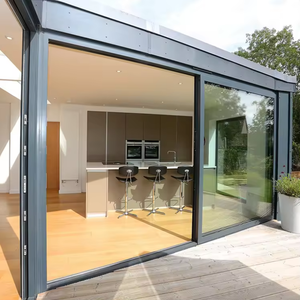
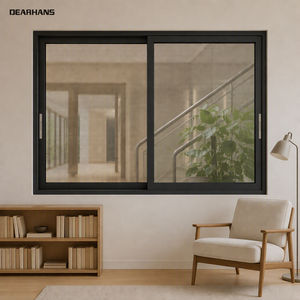
In coastal architectural design, fenestration represents the most vulnerable threshold between internal habitable equilibrium and catastrophic environmental forces. Standard residential glass units fail when subjected to sudden barometric pressure differentials accompanied by airborne missile impacts during high-velocity tropical cyclonic conditions. The current generation of impact windows produced by premier Chinese factories has evolved from mere passive thick barriers into advanced composite dynamic defense assemblies.
A true hurricane-resistant window system incorporates three key structural elements: high-tensile primary 6063-T6 or 6005-T5 architectural aluminum profiles engineered with dedicated reinforcement internal ribs, an elastomeric structural glazing adhesive interface (typically Dow Corning 983 or 995 two-part silicone) that ensures zero glass fallout during extreme displacement, and an impact-resistant laminated glazing assembly utilizing PVB (Polyvinyl Butyral) or SGP (SentryGlas® Plus by Kuraray) interlayers.
5x the tear strength and 100x the rigidity of conventional PVB. Resists hurricane debris intrusion, remaining upright and weather-sealed even when both outer lites suffer total surface fracture.
Technoform polyamide thermal break bars reduce heat bridge loss (U-Factor ≤ 0.28 BTU/hr·ft²·°F) without compromising torsional rigidity during hurricane wind loads up to ±9000 Pa cyclic pressure.
Continuous co-extruded EPDM weatherstripping coupled with multi-point stainless steel claw latches preserves continuous perimeter compression during severe positive and negative suction loads.
Architects, facade engineers, and volume importers are recalibrating their supply chain metrics. The selection of an original equipment manufacturer in China now involves strict evaluation across four forward-looking parameters:
A. Decarbonized Low-Carbon Extrusion & Circular Supply Chains: International construction directives (such as LEED v4.1 and European CBAM carbon tariffs) require verified Environmental Product Declarations (EPDs). Leading Foshan factories are migrating toward renewably powered hydro-electric aluminum billets and recycled post-consumer aluminum formulations with carbon intensities below 4.0 kg CO2e per kg of alloy.
B. Narrow Sightline Structural Engineering (Minimalist Tropical Glazing): High structural rigidity previously dictated bulky frame profiles. The transition to advanced 6005-T5 alloys and finite element analysis (FEA) empowers Chinese manufacturers to deliver frameless pocket-sliding and micro-frame casement windows that achieve Florida HVHZ and Miami-Dade large missile standards while providing up to 92% daylight visual transmittance.
C. Integrated Smart Building Interfaces: Windows are no longer static elements. Emerging multi-point motorized perimeter latches with built-in wind sensors allow automated storm seal lockdown triggered by municipal meteorological telemetry, seamlessly interfacing with BACnet and KNX home automation protocols.
| Performance Metric | Standard Architectural Window | DERCHI Certified Hurricane Impact System | Testing Standard Reference |
|---|---|---|---|
| Impact Resistance | Non-rated (Shatters under debris) | Level D Large Missile (9-lb 2x4 at 50 ft/s) | ASTM E1886 / ASTM E1996 |
| Cyclic Wind Load | ±1200 Pa (Single Direction) | ±4500 Pa to ±9000 Pa (9,000 cycles) | ASTM E330 / TAS 201, 202, 203 |
| Water Penetration Resistance | 150 Pa - 300 Pa | 720 Pa - 1050 Pa (Static & Dynamic) | AAMA 501.1 / ASTM E331 |
| Structural Deflection | L/175 Max Allowable | L/240 or Permanent Deformation ≤ 0.2% | AS 2047 / CE EN 12211 |
| Corrosion Resistance (Finish) | Standard Anodized (10 μm) | AAMA 2605 3-Coat PVDF / Qualicoat Class 2 | ASTM B117 (3,000+ Hrs Salt Spray) |
Recognized among the premier top-tier window and door enterprises in Foshan, DERCHI controls the entire manufacturing journey from primary alloy billets to finished architectural envelope systems.
Operating dedicated CNC machining hubs, automated thermal break insertion lines, robotic glass seamers, and climate-controlled cleanrooms for vacuum lamination in Shishan Town, Foshan.
Engineered compliance verified under CE, ISO9001, Australian AS2047 N6 (highest deflection/tightness category), and certified fire-rated and impact assemblies.
One-stop supply chain integration: consolidate hurricane impact windows, architectural pivot doors, interior timber doors, and motorized garage portals inside ocean-rated steel crates.
Clear, unedited technical answers addressing customs classification, shop drawings, structural verification, and ocean transport security.
Submit your opening schedules, architectural drawings, or technical specifications. Our structural engineering team delivers comprehensive CAD shop drawings, glass wind-load calculations, and direct FOB/CIF container quotations within 24 hours.