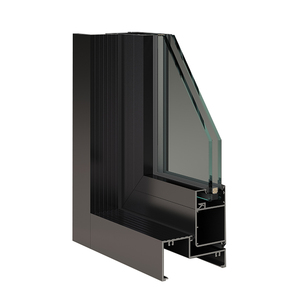
Export-Grade fenestration Collection
Engineered Architectural Solutions for Global Projects
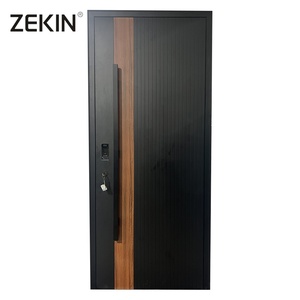
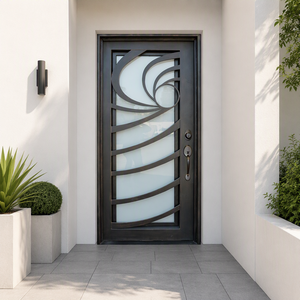
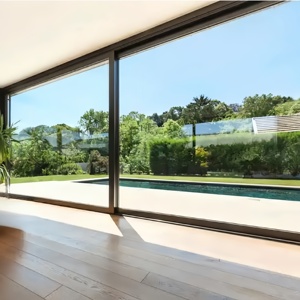
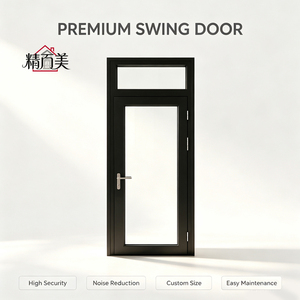
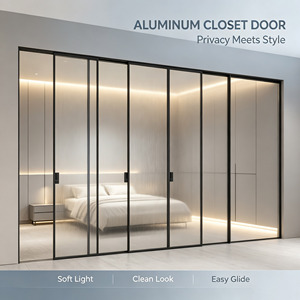
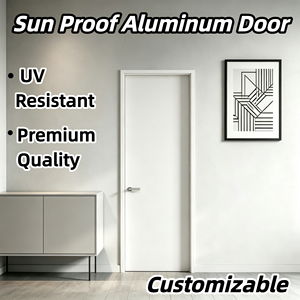
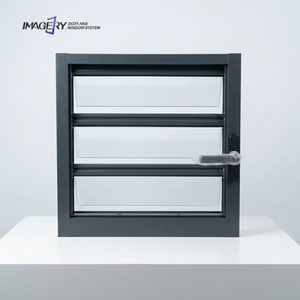
As a recognized China top-tier fenestration manufacturer and exporter, our high-precision fabrication plants deliver architectural-grade aluminum tilt and turn windows, structural glass systems, impact-rated fixed windows, and integrated luxury entrance setups designed to fulfill rigorous international energy and structural standards.
25+
Years Engineering Expertise
180,000㎡
Industrial Production Base
600+
Skilled Craftspeople & Technicians
100+
International Patents & Certifications
White Paper Technical Analysis
Engineering Principles of Modern Aluminium Tilt and Turn Systems
Dual-action tilt and turn window configurations represent the benchmark of architectural efficiency in modern global building envelopes, reconciling airtight thermal management with active passive ventilation.
The global demand for high-performance fenestration has elevated aluminum tilt-and-turn windows from an upscale European architectural standard to an indispensable specification for commercial high-rises, institutional projects, and luxury residential developments worldwide. Originating through German mechanism engineering, the dual-action mechanism provides two distinct operational functions operated via a single ergonomic handle: tilting inward at the sash head for controlled, draft-free ventilation with integrated rain protection, and turning 90 to 180 degrees inward on vertical side hinges for unimpeded air exchange, full structural egress, and simplified interior cleaning of exterior glass surfaces.
From an engineering perspective, modern exporters out of China must navigate complex thermodynamic and mechanical stress requirements. The structural integrity depends predominantly on primary architectural aluminum alloys—principally 6063-T5 or 6063-T6—which deliver tensile yields exceeding 160 MPa. However, because native aluminum possesses high thermal conductivity (approximately 205 W/m·K), incorporating structural polyamide (PA66 GF25) thermal isolator bars is essential. These precision glass-fiber reinforced barriers effectively decouple interior and exterior profile extrusions, creating thermal breaks capable of lowering overall fenestration U-values (Uw) to Passive House-compatible levels between 0.8 and 1.4 W/(m²·K) when integrated with low-emissivity argon-filled insulated glass units (IGUs).
Multi-Point Perimeter Compression
Unlike conventional sliding or push-out awning systems, tilt and turn hardware incorporates octagonal mushroom-head cams along the complete sash perimeter. Rotating the control handle drives these locking bolts into heavy-duty zinc-alloy frame strikes, creating uniform, high-pressure mechanical compression against multi-tiered co-extruded EPDM continuous perimeter gaskets.
Acoustic Attenuation Engineering
By establishing unbroken perimeter compression seals and accommodating multi-laminated acoustic glass configurations (e.g., 6mm + 1.52PVB + 6mm warm-edge units), our tilt-and-turn fenestration configurations achieve laboratory-certified sound transmission reductions up to STC 45 and OITC 38, neutralizing high-frequency urban traffic noise.
Multi-Chamber Pressure Equalization
Our extrusions employ specialized pressure-equalized rainscreen design principles. Hidden interior drainage channels ensure water entering the external decompression rebate during cyclonic downpours is drained outward through concealed drip routings under natural atmospheric equalization, preventing hydrostatic pressure back-siphonage.
Technical Validation Matrix
Performance Engineering & International Standards
Procurement engineering demands verified test criteria. The following specification parameters outline the baseline capabilities of our exported aluminum tilt and turn assemblies.
| Performance Metric | International Standard Baseline | DERCHI Engineering Capability | Procurement Advantage |
|---|---|---|---|
| Air Infiltration Rate | ASTM E283 / EN 12207 Class 4 | ≤ 0.05 cfm/ft² (≤ 0.1 m³/h·m²) | Passive House Grade Air-tight containment preventing HVAC load leakage. |
| Water Penetration Resistance | ASTM E331 / EN 12208 Class 9A | Static pressure > 900 Pa (No leakage) | Zero water back-siphonage in cyclonic coastal storm zones. |
| Structural Wind Load Resistance | AS 2047 (N6 Rating) / ASTM E330 | Design Pressure > 4500 Pa; Proof > 6000 Pa | Deflection limitation compliant with high-rise coastal tower codes. |
| Thermal Transmittance (U-Value) | NFRC 100 / EN ISO 10077-2 | Uw 0.85 – 1.35 W/(m²·K) | Multi-cavity PA66 thermal insulation reduces operating energy expenditure. |
| Acoustic Damping (Sound Reduction) | ISO 10140-2 / ASTM E90 | Rw / STC 38 – 46 dB | Asymmetrical triple-pane acoustic PVB interlayer isolation. |
| Hardware Durability & Cycle Test | EN 13126-8 / AAMA 910 | Grade 5 Corrosive Resistance; 50,000+ Cycles | German Siegenia / Roto concealed gears engineered for smooth zero-play travel. |
Industry Forecast 2026–2035
Emerging Sourcing Trends in High-Performance Fenestration
Global project developers, commercial builders, and institutional specifiers face changing regulatory conditions. Understanding forward market trends ensures long-term return on capital investment.
1. Ultra-Narrow Sightlines & Concealed Hardware
Architectural preferences demand maximum visible light transmittance (VLT) and clean minimalist profiles. Market adoption is shifting rapidly toward hidden tilt-turn hinge pivots, fully integrated sash-rebate actuators, and flush exterior sashes, allowing slim-frame profiles to support glass loads up to 300 kg per panel without compromising thermal breaks.
2. Decentralized Smart Building Integration
Future procurement standards increasingly mandate building management system (BMS) compatibility. Next-generation tilt and turn assemblies incorporate hidden concealed motorized actuators, integrated solar shading contacts, and magnetic intrusion sensors linked to centralized building environmental automation for nighttime purge cycles and indoor air management.
3. Decarbonized Low-Embodied Carbon Alloys
Green building rating systems (LEED v4.1, BREEAM, Green Star) now audit total embodied carbon within facade components. Leading China exporters are deploying hydro-powered green primary billets, achieving less than 4.0 kg CO2e per kg of smelted aluminum, partnered with certified EPD documentation to ease import carbon-tariff liabilities.

Direct Manufacturing Authority
Guangdong Dejiyoupin Doors & Windows Co., Ltd. (DERCHI)
Headquartered in Foshan, China's precision fenestration capital, DERCHI operates an integrated industrial fabrication base spanning over 180,000 square meters. Recognized as an industry benchmark and China Top 10 fenestration brand, we maintain end-to-end sovereignty across billet extrusion, computerized CNC thermal break assembly, robotic insulating glass sealing, and automated multi-axis hardware insertion.
- Over 25 Years Engineering Heritage: Supplying commercial and ultra-luxury residential projects worldwide.
- In-House CAD Shop Drawings: Free comprehensive structural engineering calculations, anchor analysis, and shop drawings prior to production.
- Comprehensive Certifications: Holding CE, ISO9001, AS2047, and UL fire-rated credentials with independent third-party laboratory test data.
- Export-Ready Logistics: Heavy-duty fumigated steel-cage crating engineered for rough container ocean freight, minimizing port handling risks.
Strategic Sourcing Guice
Frequently Asked Questions for Sourcing Tilt & Turn Windows
Clear answers to technical inquiries, logistics processes, structural compliance, and customization protocols for international procurement managers.
What specific structural and thermal advantages distinguish aluminum tilt-and-turn windows over traditional casement and sliding systems?↓
Unlike traditional sliding windows which rely on brush mohair seals that permit continuous air infiltration and draft leakage, tilt and turn windows deploy heavy-duty continuous EPDM tubular compression gaskets. Actuating the multi-point locking handle engages perimeter mushroom-head cams into solid steel frame keepers around the perimeter, drawing the sash tightly against the frame under continuous pressure. This compression design yields near-zero air leakage (compliant with ASTM E283 Class 4), superior water-tightness under hurricane wind drives (up to 900 Pa), and structural sound abatement reaching up to 45 dB.
How does your manufacturing plant guarantee structural compliance with international building codes (e.g., AS2047, ASTM, CE)?↓
Every export production order undergoes structural engineering reviews against local regional environmental parameters, such as wind pressure loads (ASCE 7, AS/NZS 1170.2, or Eurocode 1), seismic criteria, and exposure category. We utilize prime 6063-T5 aluminum extrusions with nominal web thicknesses exceeding 2.0 mm for commercial sashes and reinforced transom couplers. We provide factory-certified laboratory test reports verifying static and cyclic wind pressure capacity (up to Australia AS 2047 N6 rating), proof load deflections, water penetration barriers, and airtightness ratings.
Can custom oversized configurations and high-mass triple-glazed units be safely accommodated?↓
Yes. Our heavy-duty architectural tilt and turn series utilizes specialized concealed or heavy-barrel exposed hardware capable of bearing sash weights up to 250 kg to 300 kg per operating leaf. This mechanical capacity allows architects to integrate triple-glazed insulated glass units containing dual laminated security layers, acoustic interlayers, and glass thicknesses up to 52 mm, reaching sash opening dimensions up to 1.8 meters wide by 3.0 meters tall without hinge deflection or binding.
What surface treatment technologies protect window frames against aggressive coastal salinity and high-UV exposure?↓
For harsh oceanic environments (such as marine coastal villas or high-humidity tropical zones), we treat extrusions with Qualicoat Class 2 / AAMA 2605 certified Fluorocarbon (PVDF) 3-coat spray finishes or architectural powder coatings based on AkzoNobel and PPG formulations. These high-performance coatings withstand standard 3,000-to-4,000-hour neutral salt-spray exposure testing (ASTM B117) without micro-blistering, chalking, or delamination, alongside advanced resistance to high-altitude solar degradation and chemical acid wash down.
What is the standard procurement cycle, drawing approval protocol, and export crating method?↓
Upon receipt of the preliminary window schedule, our engineering team generates 2D and 3D CAD fabrication drawings, joint elevations, and anchor fastening details within 48 to 72 hours for architectural sign-off. Manufacturing generally requires 25 to 35 business days following drawing sign-off and finish approval. For container transit, every window unit is individually encased in protective foam film, corner-guarded with rigid composite corners, wrapped in heavy-gauge shrink wrap, and packed within fully closed fumigated plywood boxes or steel shipping skids to safeguard against rough ocean container movement.
Can we consolidate tilt and turn windows with custom pivot doors and interior fenestration in a single container?↓
Yes. One of DERCHI's primary structural benefits for foreign developers and distributors is our holistic single-source manufacturing capacity. In addition to high-precision tilt and turn window packages, our 180,000㎡ industrial complex manufactures oversized architectural front pivot doors, thermal break sliding doors, French entry doors, and structural picture glass. We consolidate mixed structural door schedules into synchronized container loads, providing unified documentation, matching anodized or powder-coated architectural finishes, and consolidated customs clearances.