Executive Summary: The Structural Paradigm Shift in Chinese Architectural Glazing
As international building codes mandate stringent carbon reduction metrics, the procurement of building envelope components has transitioned from simple unit-price transactions to holistic lifecycle engineering audits. Global developers, structural architects, and fenestration importers evaluating top China aluminium glazed door factories are no longer merely inspecting profile cross-sections; they require verified thermal break conductance coefficients (U-factors ≤ 1.4 W/m²·K), certified cyclical pressure differentials (ASTM E330, AS 2047 N6 rating), multi-point acoustic attenuation (STC ≥ 42 dB), and metallurgical alloy consistency (primary 6063-T5/T6 billet extrusions). This technical dossier provides structural engineers, commercial builders, and procurement officers with actionable empirical data, direct product benchmarks, and verified factory capabilities rooted in China's premier fenestration capital: Foshan, Guangdong.
High-Performance Aluminium Glazed Door Product Line
Explore 8 factory-certified systems engineered with polyamide thermal breaks, multi-cavity chambers, multi-point lock hardware, and acoustic insulated glazing units (IGUs).
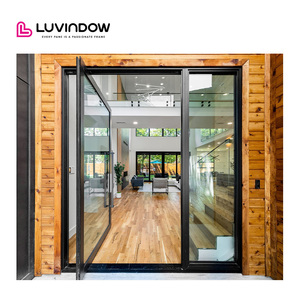
Modern Pivot Aluminum Glass Front Villa Entry Door
Engineered for grand monumental entrances. Features heavy-duty concealed German pivot hinges supporting up to 500kg leaf weight, integrated polyamide PA66 thermal barrier, and low-emissivity structural tempered glass.
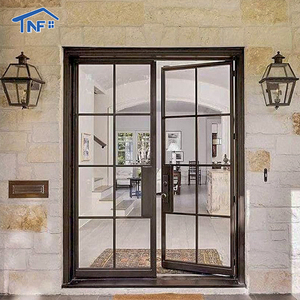
Soundproof Double Tempered Glass French Casement Doors
Fully verified under AS2047 and NFRC thermal standards. Fabricated with continuous multi-point compression EPDM gaskets, argon-filled double glazing, delivering premier sound dampening for urban residential envelopes.
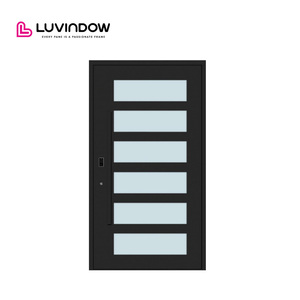
Luxury Villa Exterior Thermal Break Glass Pivot Door
Designed for luxury villas and upscale hotel lobbies. Features an anodized 6063-T6 marine-grade extruded aluminium perimeter, high wind load resistance, and motorized electromagnetic smart access control integration.
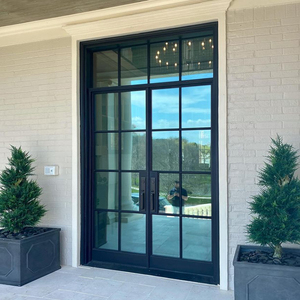
Crittall-Style Slimline Framed French Swing Glass Doors
Ultra-narrow sightline industrial aesthetics paired with modern aluminium thermal barrier performance. Precision TIG-welded corner cleats, acoustic laminated glazing, and architectural matte black AkzoNobel powder coating.
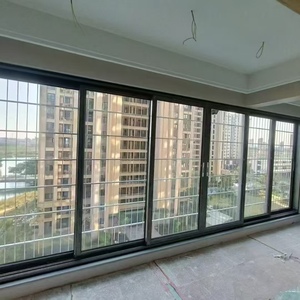
Minimalist Double-Glazed Low-E Patio Sliding Doors
Australian standard multi-panel sliding system with recessed bottom sills for barrier-free thresholds. High water tightness tested up to 600Pa with high-precision stainless steel precision rollers for effortless slide operation.
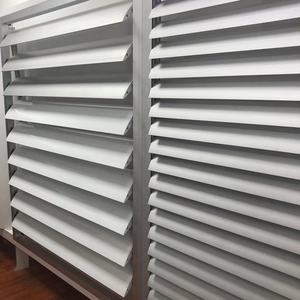
Motorized Aluminium Adjustable Aerofoil Louver Jalousie
Automated climatic daylighting and ventilation system. Features high-torque 24V linear tubular actuators, wind and rain sensor integration, structural extruded aluminium louvers, and complete building management system (BMS) connectivity.
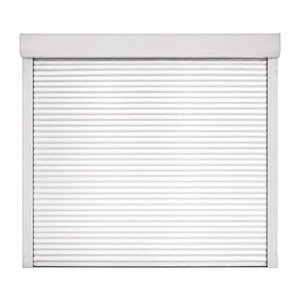
Electric Extruded Aluminium Security Roller Shutter Door
Reinforced double-wall polyurethane foam insulated slats offering hurricane resistance and high thermal protection. Built with anti-lift bottom rails, quiet motor drive mechanisms, and remote smartphone control for commercial facilities.
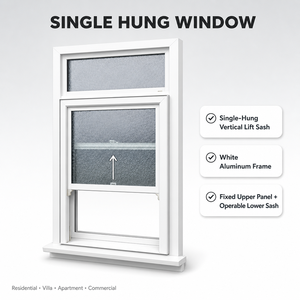
Passive House Triple-Glazed Vertical Hung Sliding System
Engineered for extreme sub-zero or scorching desert microclimates. Incorporates triple low-E glass panes with warm-edge spacers, continuous compression interlocks, and ultra-smooth stainless steel counterbalance springs.
Enterprise Capabilities & Manufacturing Powerhouse
DERCHI (Guangdong Dejiyoupin Doors and Windows Co., Ltd.) sets the global standard for custom aluminium glazed fenestration, operating from Foshan—the world capital of aluminium profile engineering.
Certified Compliance: CE, AS2047, NFRC & UL
Exporting glazed doors requires adherence to rigorous testing protocols. Our fenestration products maintain Australia's AS 2047 N6 certification (the pinnacle of cyclical wind and water tightness), European CE EN 14351-1 benchmarks, ISO9001 quality management verification, and UL fire-rated credentials. Every order ships with third-party testing documentation valid for local structural building permit filings.
Primary Extrusion & Metallurgical Integrity
Unlike regional workshops that utilize scrap remelt aluminium, DERCHI enforces strict 100% primary 6063-T5 and 6063-T6 virgin aluminium billet extrusions. Wall thicknesses range from 2.0mm to 3.5mm on structural frames, guaranteeing minimal deflection under severe cyclonic wind loads. Surface treatments include 25-micron Qualicoat-certified powder coatings and 30-year PVDF fluorocarbon coatings resistant to marine salt-fog corrosion.
Consolidated Project Supply Chain
Commercial developers eliminate supply fragmentation by consolidating orders in a single factory. From exterior motorized pivot doors and ultra-slim multi-track sliding systems to interior acoustic steel-framed glass French partitions and automatic garage roll-up shutters, our project scheduling team integrates multi-system fabrication into synchronized FCL (Full Container Load) ocean freight containers.
Emerging Procurement & Technological Trends (2025–2030)
Strategic analysis of global regulatory shifts, structural glazing demands, and how top Chinese fenestration manufacturers are innovating to meet future architectural mandates.
Polyamide Multi-Cavity Thermal Breaks
Stringent building envelope regulations (such as ASHRAE 90.1, Title 24, and Europe's EPBD) have made standard non-thermal or single-cavity aluminium obsolete. Future procurement mandates multi-chamber PA66 GF25 thermal break bars insulated with low-density polyolefin foam, pushing frame conductance values down to passive-house grade U-factors below 1.0 W/m²·K.
Minimalist Sightlines with Structural Glass
Architects continue to demand invisible frames that maximize daylighting. Chinese factories are utilizing stepped-edge structural silicone glazing (SSG) and structural PVB/SentryGlas® laminates. This transfers wind loads directly through the glass diaphragm, allowing frame sightlines as slender as 18mm to 25mm on floor-to-ceiling installations reaching 4.5 meters in height.
Embedded Smart Access & Motorization
The convergence of building automation and physical fenestration has accelerated. Glazed pivot doors and commercial sliders now frequently specify fully hidden European motor drives, integrated 3D facial recognition, motorized multi-point perimeter latching, and direct Modbus/BACnet interfaces that sync entrance status directly to central building HVAC and security networks.
Carbon Tracing & Environmental EPDs
Top developers now require Environmental Product Declarations (EPDs) evaluating embodied carbon. Leading China factories are investing in green aluminium (hydro-powered and solar-melted low-carbon ingots), reducing life-cycle carbon footprints below 4.0 kg CO&sub2;e/kg Al. Sourcing from certified green-smelting plants will soon be mandatory for LEED Platinum and BREEAM certifications.
Aluminium Glazed Door Specification & Testing Benchmark
Comprehensive engineering matrix comparing standard export specifications with DERCHI's proprietary heavy-duty structural profiles.
| Performance Characteristic | Common Chinese Regional Standard | DERCHI Architectural Heavy-Duty | Target International Standard |
|---|---|---|---|
| Aluminium Alloy & Temper | Recycled or Mixed 6063-T5 (1.4–1.6mm) | 100% Virgin Extruded 6063-T6 (2.0–3.5mm) | ASTM B221 / EN 755 / GB/T 5237 |
| Thermal Transmittance (U-Factor) | 2.8 – 3.6 W/m²·K (Single PA Strip) | 0.95 – 1.40 W/m²·K (Multi-Cavity PA66 + Foam) | NFRC 100/200 / ISO 10077-2 / AS 2047 |
| Structural Wind Load Deflection | Serviceability: 1800 – 2500 Pa | Design Pressure: ≥ 4500 Pa (N6 Level) | ASTM E330 / AS 4055 / AS 2047 |
| Water Penetration Resistance | Static Head: 250 – 350 Pa | Cyclic Air-Water: 600 – 750 Pa | ASTM E331 / EN 12208 (Class 9A) |
| Acoustic Isolation Rating | Rw / STC 28 – 32 dB | Rw / STC 42 – 47 dB (Acoustic Laminated IGU) | ISO 717-1 / ASTM E413 |
| Surface Finish & Weathering | Standard Anodized / Base Powder (40μm) | AkzoNobel Qualicoat Class 2 / PVDF 3-Coat (70μm) | AAMA 2605 (10-Yr Florida Exposure) |
The Strategic Factory Audit & Procurement Playbook
How international procurement directors navigate Chinese factory selection, manage factory acceptance testing (FAT), and mitigate shipping risks.
Phase 1: Shop Drawings & Engineering Review
Every commercial procurement pipeline begins with detailed CAD shop drawings. Top China aluminium glazed door factories must demonstrate internal drafting departments capable of producing full-scale section details, perimeter anchoring schedules, deflection calculations, and thermal bridging modeling before an extrusion die is cut or glass is ordered. DERCHI provides complimentary 2D/3D CAD integration within 48 business hours.
Phase 2: Factory Acceptance Testing (FAT)
Prior to disassembling oversized glazed doors for ocean packaging, comprehensive in-plant mock-up assemblies are imperative. Quality managers verify diagonal squareness (tolerance ±1.0mm), smooth gear engagement on multi-point lock rods, zero-play rotation on pivot spindles, and silicone sealant continuous bead adhesion without bubbling or voids. Live video audits allow overseas engineers to inspect tests in real-time.
Phase 3: Ocean-Ready Steel & Plywood Crating
Export fenestration products endure severe acceleration forces and humidity shifts during multi-week container transits. Reliable manufacturers protect aluminium glazed units by utilizing fully enclosed non-coniferous fumigation-free OSB plywood crates, internal high-density EPE foam corner guards, moisture-absorbing silica desiccants, and steel strap strapping with shock-absorbing bottom pallet skids.
Frequently Asked Questions on Sourcing Aluminium Glazed Doors
Expert answers addressing customs classification, testing standards, lead times, structural tolerances, and on-site glazing installation.
What certifications are non-negotiable for importing into North America and Australia?
For the Australian market, aluminium glazed doors must strictly pass AS 2047 (covering structural deflection, air infiltration, and water penetration) and AS 1288 (safety glazing). For the United States and Canada, doors require NFRC certification for thermal transmittance (U-factor and SHGC) and AAMA/WDMA/CSA 101/I.S.2/A440 (NAFS) testing for structural wind loads. DERCHI products maintain complete documentation and testing records for these jurisdictions.
How does China's Foshan industrial cluster provide a competitive sourcing advantage?
Foshan houses over 70% of China's premier architectural aluminium profile extrusion, surface treatment, hardware fabrication, and precision glass processing industries. This hyper-concentrated supply chain eliminates intermediate inter-provincial shipping costs, shortens raw material lead times by 60%, and fosters technological specialization, enabling factories like DERCHI to deliver precision custom doors at unmatched economy-of-scale pricing.
Can China factories manufacture oversized pivot doors without structural bowing?
Yes, provided high-moment-of-inertia profiles and heavy-duty structural reinforcement alloys are used. Thermal bowing (caused by extreme temperature deltas between exterior sunshine and air-conditioned interiors) is mitigated using split-cavity profile engineering and anti-bimetal polyamide strips that slide freely under expansion stress. This ensures monumental doors up to 5 meters in height operate without binding.
What is the standard production lead time and FOB/CIF shipping protocol?
Custom engineering drafting and shop drawing sign-off takes 3 to 5 business days. Profile extrusion, CNC machining, glass lamination, dual-seal insulated glazing assembly, and trial fitting typically require 25 to 35 calendar days. Ocean freight from Foshan or Shenzhen to major global ports (Los Angeles, Sydney, Santos, Rotterdam) spans 14 to 35 days depending on the routing. Full container orders include detailed packing lists and pre-cleared customs documentation.
Architectural Consultation & Direct Factory Quotation
Submit your architectural schedule, CAD elevation drawings, or project tender requirements. Our senior fenestration engineering group will review structural spans, local wind load ratings, and thermal parameters to formulate an optimized factory-direct proposal within 24 hours.
Contact Us