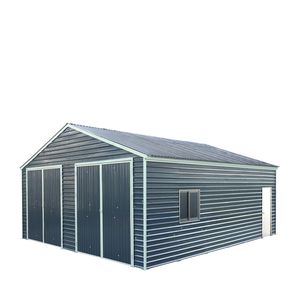
Commercial Portfolio
Engineered Commercial Entrance Systems & High-Performance Assemblies
Browse our field-tested commercial entrance doors, thermal-break sliding barriers, heavy-duty pivots, and high-performance architectural fenestration products configured for global development projects.
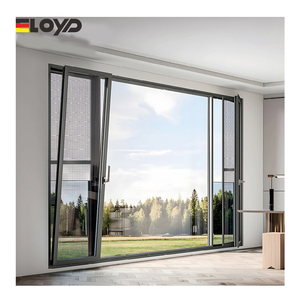
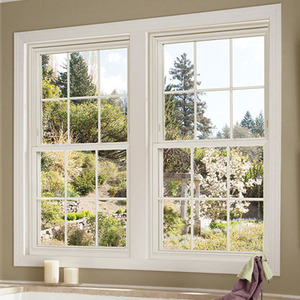
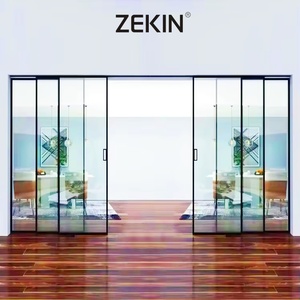
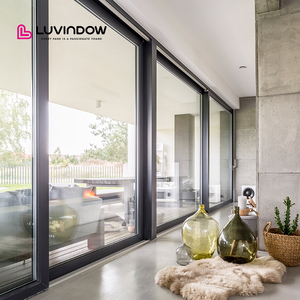
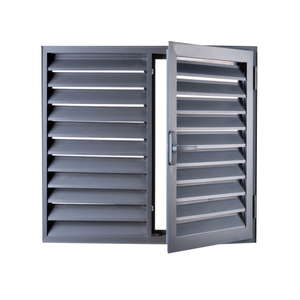
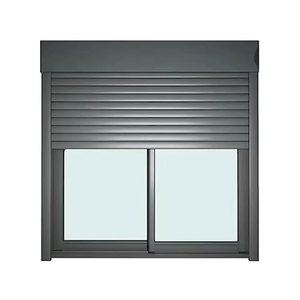
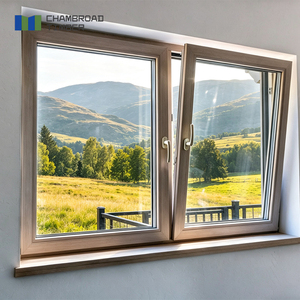
Engineering Authority: Commercial Entrance Doors in Modern Architecture
Modern commercial entrance doors serve as the high-traffic nexus between exterior environmental exposure and interior interior operational reliability. In enterprise complexes, mixed-use retail developments, luxury high-rises, and institutional headquarters, entrance systems endure continuous duty cycles while serving as the primary barrier against severe wind shear, air leakage, moisture penetration, and thermal bridging.
As China's elite precision manufacturer based in the Nanhai industrial cluster of Foshan, DERCHI (Guangdong Dejiyoupin Doors and Windows Co., Ltd.) sets the benchmark for exporting structural-grade aluminium commercial entrance doors. By leveraging high-tensile 6063-T5/T6 architectural alloys, polyamide thermal breaks, multi-point locking geometries, and heavy-duty concealed German pivot/hinge hardware, we supply architectural entrance assemblies built to thrive under demanding operational criteria across global jurisdictions.
| Performance Vector | Commercial Benchmark Specification | DERCHI Engineering Capability | Compliance Standards |
|---|---|---|---|
| Structural Wind Load | Serviceability: 1.5 kPa – 2.5 kPa | Tested up to Ultimate Design: ±4.5 kPa – 6.0 kPa | AS2047 (N6), ASTM E330, EN 12211 |
| Thermal Transmittance | U-value ≤ 2.2 W/(m²·K) | Polyamide PA66 GF25 Iso-bar: U-value down to 1.1 W/(m²·K) | NFRC 100/200, ISO 10077-2, CE EN 14351-1 |
| Acoustic Isolation | Rw: 28 dB – 34 dB | Acoustic Interlayer Glass (PVB/SGP): Rw up to 44 dB | ASTM E90, ISO 717-1 |
| Cycle Operational Durability | 100,000 continuous open/close cycles | Classified Grade 8 Heavy Commercial: 500,000+ cycles | ANSI/BHMA A156.4, EN 1191 |
| Atmospheric Corrosion Proofing | Powder Coating 60μm film thickness | Fluorocarbon PVDF 3-coat system (Class A marine-grade) | AAMA 2605, Qualicoat Seaside Class |
Future Sourcing & Global Procurement Trends for Commercial Entrance Doors
Institutional procurement heads, facade consultants, and general contractors are navigating shifting global dynamics in fenestration supply chains. Specifying aluminium entrance assemblies requires evaluating geopolitical shipping routes, embodied carbon accounting, automated smart building interoperability, and stringent site labor costs.
Factory-Direct Single-Source Consolidation
Developers are eliminating intermediate distributors in favor of direct-from-manufacturer consolidation. Sourcing commercial entrance doors alongside curtain wall glass, office casements, and automated barriers within unified container loading (FOB/CIF) dramatically curbs transshipment breakages and drops total delivered project expense by 18% to 28%.
Pre-Fabricated "Unitized" Shop Deliveries
Mounting labor costs across North America, Europe, and Australasia have catalyzed a mandatory transition toward fully plumbed, pre-glazed, sub-framed entrance assemblies. Modern procurement scopes mandate dry-fit site assembly straight out of custom-engineered steel/timber marine crates, cutting local trade labor hours by half.
Stringent Life-Cycle Cost & ESG Metrics
Tier-1 commercial developers must now verify the embodied carbon lifecycle footprint of building components. Sustainable entrance door specifications insist on low-carbon smelted primary aluminium ingots, zero-VOC electrostatic powder finishes, and modular hardware configurations that enable 30-year lifecycle component replaceability without complete frame tear-down.
Engineering Evolution & Architectural Product Developments
Entrance door engineering has evolved beyond standard hollow extrusions and single glass panels. High-performing architectural envelopes demand monumental dimensions, frictionless operation, seamless aesthetic continuity, and building automation system (BAS) integration.
Monumental Oversized Pivot Engineering
Contemporary commercial lobbies favor massive structural pivot entryways reaching heights of up to 6,000mm and widths over 2,200mm. Achieving effortless manual or automated operation demands bottom-mounted oil-bath German hydraulic pivots capable of sustaining 800kg+ leaf loads without vertical hinge sagging or perimeter frame binding over long service life.
Biometric & Smart Building Access Integration
Concealed multi-point motorized latching hardware (e.g., German Siegenia/G-U systems) is now seamlessly embedded into our thermal break profiles. Commercial entrances natively synchronize with building access controllers via RS-485 or BACnet protocols, facilitating touchless facial recognition, mobile RFID entry, and automated fire release sequencing.
Extreme Environment & Coastal Armouring
Developments situated in hurricane belts, coastal marine atmospheres, or high-UV tropical regions require bespoke metallurgy. DERCHI integrates reinforced steel-core sub-assemblies combined with 70% Kynar 500 fluorocarbon (PVDF) architectural coatings to guarantee zero blistering, chalking, or salt spray oxidation over 25+ years.
Why Global Contractors & Developers Partner with DERCHI
DERCHI is the international brand of Guangdong Dejiyoupin Doors and Windows Co., Ltd., based in Foshan—the heart of China's premium architectural metal manufacturing sector. Backed by 25+ years of relentless fenestration innovation, a massive 180,000㎡ industrial footprint, and an elite team of 600+ master craftsmen, engineers, and quality assurance specialists, we bridge the gap between design vision and commercial durability.
Comprehensive Project Consolidation
Consolidate your entire structural opening schedule—including exterior commercial entrance doors, thermal casement systems, fire-rated utility doors, high-clearance garage sheds, and curtain wall glazing—from one single manufacturer under unified warranty coverage and single-container ocean transport.
Verified Global Compliance Standards
Every commercial profile profile and glass panel holds traceable testing documentation. Our systems pass rigorous audits including Australia’s AS2047 (N6 cyclone rating), North America’s NFRC thermal standards and CSA compliance, European CE EN 14351-1, and ISO9001 factory production control certifications.
Free Shop CAD & Structural Calculations
Leave zero structural risk to on-site guesswork. DERCHI's in-house engineering desk provides full sets of CAD shop drawings, connection detail reviews, anchor load evaluations, and thermal break profile simulations tailored to your localized building codes prior to manufacturing authorization.
Frequently Asked Questions: Sourcing Commercial Entrance Doors from China
Detailed engineering and export logistics answers to clarify key questions for international developers, facade estimators, and general contractors.
How does DERCHI guarantee structural compliance with localized building codes like AS2047, IBC, or Eurocode? +
Our entrance door systems undergo full scale testing by accredited independent laboratories (such as Intertek and NATA-accredited test facilities). For Australian projects, our products achieve the maximum AS2047 N6 rating for extreme wind and water exposure. For North American and Caribbean orders, our hurricane-rated thermal break configurations incorporate laminated SentryGlas (SGP) and reinforced alloy walls to conform with ASTM E1886/E1996 large missile impact benchmarks. We provide full laboratory test certificates, finite element glass stress analyses, and engineering calculations with every tender package.
Can we specify our own hardware (such as DORMA, GEZE, Yale, or Adams Rite) into your commercial frames? +
Yes. While we supply premium German-engineered hardware (e.g., Siegenia, Hoppe, GU, and Roto) with long-term factory warranties, our computerized CNC profile machining centers can be customized to match any approved project schedule. If your specification requires particular lock cylinders, electromagnetic locks, panic exit bars, or concealed overhead closers (such as Dorma TS93 or GEZE Boxer), we can either source certified assemblies domestically or receive consigned customer-supplied hardware for pre-machining and installation before crate departure.
What surface finishing options provide maximum longevity in salt-laden coastal conditions? +
For maritime, marine, and high-salinity exposures (such as seaside resorts and coastal ports), we mandate a three-coat PVDF (Polyvinylidene Fluoride / Kynar 500) fluorocarbon coating with a total dry film thickness (DFT) exceeding 40 microns, conforming to AAMA 2605. Alternatively, we provide Class 1 (25-micron) architectural sulfuric anodizing with specialized chemical pre-sealing. Both surface treatment methods exceed 3,000 hours of continuous ASTM B117 salt spray testing with zero filiform corrosion, coating delamination, or color degradation.
How does DERCHI prevent shipping damages during trans-oceanic freight to international ports? +
Ocean container transport subjects crated materials to dynamic forces, vibration, and heavy humidity cycles. Every DERCHI door leaf and structural frame is protected with static-free protective tape, shrink-wrapped in 5-layer shock-absorbing pearl bubble cotton, corner-armored with heavy molded corner protectors, and suspended in heavy-duty, heat-treated (ISPM 15 certified) fumigated plywood marine crates with integrated steel lifting bands. We also insert internal moisture-absorbing silica canisters to prevent condensation bloom during long ocean passages.
What is the typical production lead time, and what information is required to receive a firm quote? +
Standard production lead time ranges from 25 to 35 business days following formal shop drawing sign-off and color-sample verification. To generate an accurate structural estimate within 24 hours, our engineering desk requires your architectural door schedules or elevation drawings, target rough opening sizes, wind load / glazing specifications (e.g., double low-E, laminated, or clear tempered), surface finish preference (RAL color/PVDF), access control parameters, and your designated destination sea port (FOB or CIF terms).