Comprehensive Aluminium Acrylic Door Product Lines
Explore our precision-fabricated inventory engineered with structural 6063-T5 aluminium alloy framing, optical-clarity cast acrylic (PMMA), and shatterproof polycarbonate crystal panel systems for demanding architectural applications.
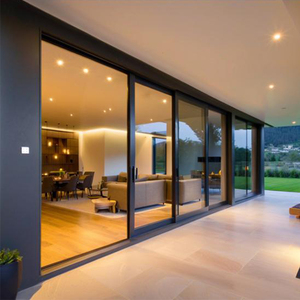
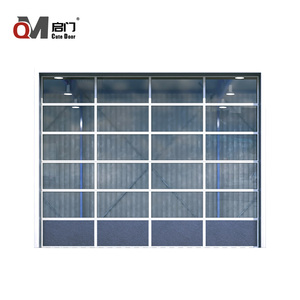
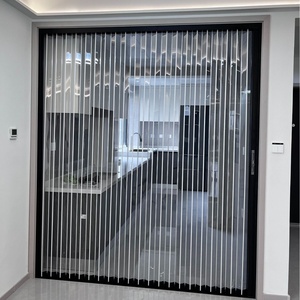
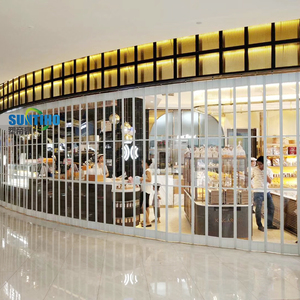
Why Global Importers & Contractors Trust Our Chinese Manufacturing Base
Operating from the global epicentre of fenestration engineering in Foshan, Guangdong, our factory (Guangdong Dejiyoupin / DERCHI) integrates automated precision CNC extrusion milling, cleanroom PMMA panel assembly, and international crating logistics to eliminate procurement friction for commercial and residential developers worldwide.
Structural 6063-T5 Extrusions
We cast and extrude virgin architectural aluminum alloy with web wall thicknesses exceeding 2.0mm to 3.5mm, ensuring deflection resistance against hurricane-grade wind loads while resisting structural fatigue over 100,000 continuous cycles.
Cast Polyacrylic Optics
Our crystal acrylic and polycarbonate infill slabs deliver a visible light transmittance (VLT) of 92%, rivaling low-iron glass at half the payload weight, paired with high-energy nano UV-stabilizers preventing surface yellowing and haze for up to 15 years.
Complimentary Shop CAD & BIM
Our dedicated structural engineering office delivers production-ready CAD shop drawings, wind-load structural calculations, and 3D mockups within 24–48 hours, fully tailored to architects' schedules before extrusion tooling commences.
Turnkey Export Packaging
Doors are shipped fully crated in non-fumigation ISPM-15 plywood boxes with shock-absorbing foam edging and peel-off protective films, optimized for ocean container stuffing (FCL/LCL) to eliminate freight damage on trans-ocean voyages.
Engineering Whitepaper: Why Cast Acrylic & Polycarbonate Outperform Annealed Glass
When designing wide-span commercial storefronts, high-ceiling villa garage doors, or interior acoustic folding partitions, material choice impacts safety, thermal performance, and operating longevity. Below is our engineering benchmark comparing our aluminium-acrylic system against traditional commercial fenestration materials.
| Engineering Metric | DERCHI Cast Acrylic (PMMA) | Structural Polycarbonate (PC) | Tempered Architectural Glass |
|---|---|---|---|
| Specific Gravity (Weight g/cm³) | 1.19 g/cm³ (50% lighter than glass) | 1.20 g/cm³ (Extremely lightweight) | 2.52 g/cm³ (Heavy dead load) |
| Impact Resistance (Charpy Unnotched) | 17-20 kJ/m² (10x stronger than glass) | > 35 kJ/m² (Virtually unbreakable) | 2.0-2.5 kJ/m² (Prone to catastrophic shatter) |
| Visible Light Transmittance (VLT) | 92% - 93% (Optically transparent) | 88% - 90% (Slight refractive diffusion) | 86% - 90% (Standard float greenish tint) |
| Thermal Expansion Management | 0.07 mm/(m·°C) (Engineered EPDM pocket) | 0.065 mm/(m·°C) (Floating gasket system) | 0.009 mm/(m·°C) (Rigid glazing setting) |
| Surface Hardness & Coating | 3H-4H Hard-Coat (Abrasion resistant) | 2H Hard-Coat (Anti-scratch nano layer) | 6H Mohs (High scratch resistance) |
| Acoustic Attenuation (STC Rating) | STC 32 dB (Dense polymer damping) | STC 31 dB (Resonant vibration damping) | STC 28-30 dB (Standard monolithic) |
Future Procurement Trends in Aluminium & Acrylic Fenestration
International developers, builders, and distributors are recalibrating their supply chain metrics. Based on our export data across North America, Europe, Australia, and South America, four macro trends are reshaping commercial and residential door procurement over the next five years.
1. Dead-Load Reduction
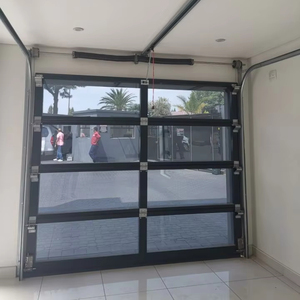
Structural architects are actively substituting heavy glass units with acrylic infills in large-span bi-fold and sectional garage doors. Slashing panel weight by 50% reduces stress on overhead structural headers, extends motor lifespans, and eliminates dangerous cable snapping hazards.
2. 24/7 Retail Merchandising
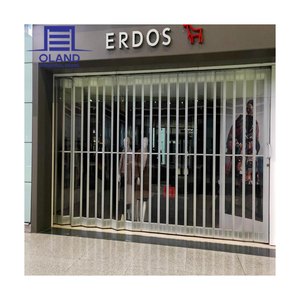
Commercial shopping centres are abandoning opaque steel roller shutters. Transparent acrylic folding security gates allow retailers continuous storefront window merchandising after closing while providing physical anti-theft containment, driving retail brand equity.
3. Full Container Optimization
Escalating international ocean freight rates have created high demand for knockdown (KD) flat-pack engineering. By precision CNC-machining aluminium extrusion sub-assemblies, distributors can fit up to 2.4x more door leaf square meters per 40ft High Cube container.
4. Smart Sensor Integration
Commercial entrance points increasingly demand direct integration into Building Management Systems (BMS). Modern procurement specifications mandate low-vibration brushless DC drives, microwave presence detectors, and backup battery fail-safes pre-wired inside the jambs.
Technology Breakthroughs in Aluminium & Polymer Fenestration
At our 180,000㎡ Foshan production and development headquarters, our engineering division solves key material science challenges—bridging thermal movement discrepancies, boosting abrasion resistance, and perfecting architectural finishes.
Nano-Ceramic Scratch Coatings
Historically, acrylic's primary limitation was surface scratching from abrasive cleaning. Our new generation features dual-sided dip-coated nano-silica hard coats (4H pencil hardness), making acrylic panels resilient against harsh commercial wash-downs and airborne dust.
Dynamic EPDM Expansion Channels
Aluminium and acrylic possess different coefficients of thermal expansion. Our patented multi-cavity profile geometry incorporates floating EPDM cellular gaskets and spring-loaded perimeter retention channels, allowing silent dimensional expansion without panel buckling or acoustic seal failure.
Fluorocarbon PVDF & Anodizing
To resist coastal salt spray and high atmospheric humidity, our aluminium framing undergoes advanced pre-treatment followed by 3-coat AkzoNobel PVDF fluorocarbon spraying or 25-micron architectural anodization, conforming to AAMA 2605 testing standards.
Frequently Asked Questions for B2B Importers & Contractors
Clear, direct answers regarding technical specifications, container logistics, custom engineering, and warranty coverage for volume orders.
How does acrylic prevent yellowing or hazing under harsh exterior sun exposure?
Our exterior door systems strictly employ 100% virgin methyl methacrylate (MMA) monomer cast acrylic infused with high-performance UV-blockers (hindered amine light stabilizers). This prevents polymer chain degradation from UV-A and UV-B radiation, backed by an export guarantee against yellowing (Delta E < 3 over 10 years).
Can your factory build custom opening dimensions and structural wind load profiles?
Yes. Approximately 85% of our export output is custom-manufactured to client-specified rough opening dimensions. Our structural engineers review local building codes, structural deflection ratios (L/175 or L/240), and wind pressure ratings to engineer customized profile thicknesses up to 3.5mm.
What international quality certifications do your doors hold?
Our manufacturing facility and fenestration systems are audited and certified under ISO 9001:2015, CE European Conformity (EN 14351-1), Australian AS2047 structural testing, and UL-fire safety ratings. We supply all accredited lab test reports to support local municipal building approvals.
How are orders packaged to eliminate scratches or panel breakage during sea freight?
All acrylic sheets are shielded with heavy-duty PE protective films. Door leaves are wrapped in bubble-pack polyethylene foam and sealed within custom ISPM-15 heat-treated plywood crates reinforced with interior steel banding, eliminating shifting and vibration during container transit.
What is the typical production lead time for full container orders (FCL)?
Standard architectural anodized or powder-coated orders are fabricated within 20 to 25 business days following CAD shop drawing approval. For complex motorized commercial folding doors or custom PVDF color matching, lead times range between 28 and 35 business days.
Can we mix multiple door collections in a single consolidation container?
Yes. As an integrated manufacturer, we allow consolidation of aluminium-acrylic folding doors, commercial overhead doors, entry pivot doors, and architectural interior partitions into a single 20GP or 40HQ container, significantly reducing logistics overhead for overseas distributors.
What support is provided to local installation contractors on job sites?
We supply comprehensive technical installation manuals, component numbered exploded drawings, and step-by-step video tutorials. Our engineering department also provides live remote video assistance scheduled across international time zones to guide field crews during installation.
What details are required to obtain an accurate technical proposal and quotation?
Simply send your opening dimensions (width x height), project layout (folding, sliding, or overhead vertical lifting), desired surface finish (RAL color, powder coat, or anodized), transparent panel thickness requirement, and your target destination port for CIF/FOB pricing.
Initiate Your Custom Door Engineering Quotation
Partner directly with one of China's most advanced fenestration manufacturing bases. Our specialized engineering team reviews architectural plans, generates complimentary CAD shop drawings, and provides transparent factory-direct pricing within 24 hours.