Precision-Machined Casement, Swing & Architectural Enclosure Systems
Manufactured from primary architectural-grade 6063-T5/T6 aluminum alloys, integrated with polyamide multi-cavity thermal barriers, and tested to meet international wind, air, and water envelope standards.
1. The Architectural Engineering of High-Performance Aluminum Swing Windows
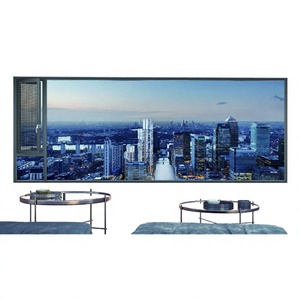
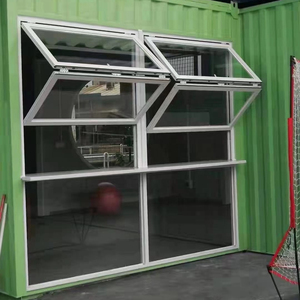
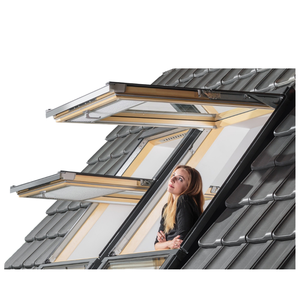
In commercial facade engineering and luxury residential architecture, the aluminum swing window (also universally specified as side-hung casement fenestration) serves as the primary thermal and structural barrier separating controlled indoor microclimates from severe external environmental pressures. Unlike sliding configurations where horizontal sash overlap induces micro-gaps and reliance on brush pile seals, swing windows compress dynamic vulcanized EPDM gaskets continuously across the sash perimeter. This mechanical lock-up mechanism provides superior performance against air infiltration, driving rain, and wind shear forces.
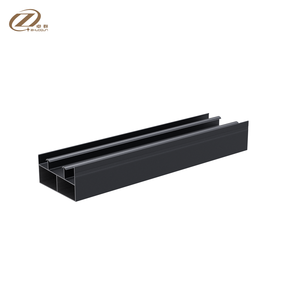
As a global tier-one fenestration manufacturer rooted in Foshan, China—the epicenter of precision architectural metalworking—DERCHI engineers aluminum swing systems utilizing multi-cavity 6063-T5 and structural 6063-T6 alloy extrusions. With nominal wall thicknesses strictly conforming to international building envelopes (1.4mm to 2.0mm for residential profiles, and exceeding 3.0mm for heavy-duty commercial mullions), our systems neutralize deflection risks under cyclic wind gust loads reaching beyond 4500 Pa (N6 class classification per AS 2047 standards).
| Performance Vector | Test Standard Compliance | Technical Specification Value | Engineering Benefit |
|---|---|---|---|
| Structural Wind Load | AS 2047 / ASTM E330 / EN 12211 | Class N6 / >4500 Pa | Withstands typhoon conditions and high-rise shear pressures |
| Air Infiltration Rate | ASTM E283 / EN 1026 / ISO 6613 | ≤ 0.1 m³/(h·m²) @ 100 Pa | Drastically eliminates drafts, HVAC losses, and airborne dust ingress |
| Water Penetration Resistance | ASTM E331 / EN 12208 / AS 4420.5 | Static ≥ 700 Pa / Cyclic 900 Pa | Prevents torrential rain bypass via multi-stage isobaric drainage |
| Thermal Transmittance (U-Value) | ISO 10077-2 / NFRC 100 / EN 673 | Uw = 1.1 - 1.4 W/(m²·K) | Minimizes conductive thermal exchange utilizing PA66GF25 thermal struts |
| Acoustic Attenuation (STC / Rw) | ASTM E90 / ISO 717-1 / EN 20140 | Rw / STC 38 dB to 44 dB | Decouples low-frequency acoustic waves from urban transit corridors |
2. Future Procurement Trends for B2B Window Importers & Contractors
Procuring architectural building envelopes has transitioned from transactional catalog purchasing to integrated design-supply partnership models. Over the forecast period through 2030, global commercial developers, architectural specifiers, and distribution wholesalers are pivoting around distinct structural procurement patterns:
Consolidated Multi-Product Containerization
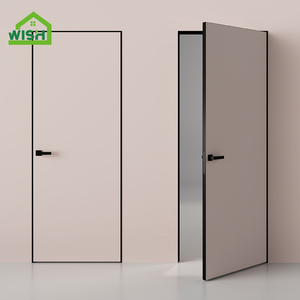
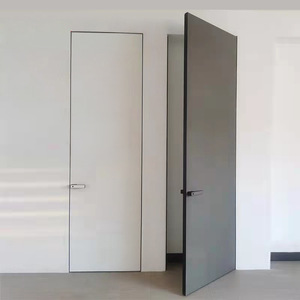
Importers eliminate supply chain fragmentation by sourcing thermal break swing windows, frameless acoustic interior doors, and structural entrance systems from a single multi-capability industrial cluster. This drops landed LCL/FCL ocean freight surcharges by up to 28% and guarantees unified hardware finishes throughout the building schedule.
Embodied Carbon & Circular Recyclability
Global environmental mandates (such as LEED v4.1, BREEAM, and European CBAM carbon tax directives) compel developers to specify primary aluminum billets processed via low-carbon hydropower smelting, combined with fully separable 6000-series aluminum profiles that retain 95% of their intrinsic material value upon end-of-life recycling.
Digital Shop Drawing Approval & BIM Workflows
Procurement teams demand parametric 3D CAD/BIM shop drawings prior to extrusion cutting. DERCHI integrates cloud engineering coordination, providing millimeter-accurate structural anchoring schedules, perimeter flashing details, and glass thermal stress simulations to prevent costly site rework.
3. Technological Evolution: Next-Generation Aluminum Swing Fenestration
The evolution of the aluminum swing window addresses historically critical limitations: thermal bridging, visible structural bulk, and hardware fatigue under heavy insulated glass units (IGUs). Key innovations defining contemporary export fenestration include:
1. Polyamide PA66GF25 Multi-Cavity Thermal Breaks: Replacing older polyurethane pour-and-debridge techniques, continuous multi-chambered polyamide struts reinforced with 25% glass fiber mirror the coefficient of thermal expansion of aluminum. This prevents sash warp under severe delta-T scenarios (e.g., +45°C exterior solar irradiation versus +21°C interior air conditioning).
2. Hidden Concealed Pivot & Heavy-Duty Friction Hinges: Modern architecture prioritizes ultrathin sightlines. Concealed 4-bar and 6-bar surgical-grade 304 stainless steel friction hinges hide entirely within the rebate groove, eliminating exposed pivot knuckles while safely bearing sash glass loads exceeding 120 kg.
3. Isobaric Decompression Rain Screen Architecture: Water leakages do not occur due to gravity alone; they are driven by air pressure differentials between the wet exterior and dry interior. Modern swing windows feature an isobaric decompression chamber equipped with central EPDM continuous fin gaskets, equalizing internal cavity pressure with the storm front and draining water harmlessly via directional weep valves.
Why Tier-1 Importers Partner with Our Manufacturing Base
A 180,000 square meter integrated industrial ecosystem in Foshan, China, delivering precision fenestration engineered to withstand extreme climates from coastal South America to Australia and North America.

One-Stop Project Solutions
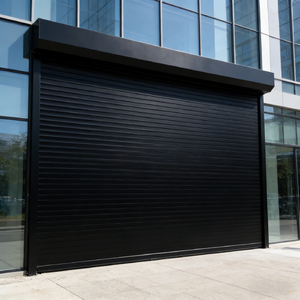
Direct supply spanning thermal break casement windows, oversized pivot doors, interior flush systems, and rolling shutters in a single synchronized production pipeline.

Global Code Compliance
Every product is certified to CE, ISO9001, AS2047, and UL fire-rated standards, verified with certified testing laboratory data ready for local municipal engineer sign-offs.

100% Engineering Customization
Our dedicated engineering department drafts free, bespoke CAD shop drawings for every unique structural opening, glass makeup, and hardware requirement.

Export Engineering Support
Experienced bilingual sales engineers work in synchrony with client operational timezones across North America, South America, Oceania, and the Middle East.
Certified Production: Backed by 100+ Patents & Testing Audits
Our operations comply with stringent global quality audits. Full laboratory test reports on air permeability, water tightness, wind resistance, and acoustic dampening are furnished with every quotation dossier.

Frequently Asked Questions on Aluminum Swing Window Sourcing
Actionable technical answers addressing testing, packaging, tropicalized finishes, and supply chain logistics for international buyers.
Ready to Engineer Your Next Fenestration Project?
Connect directly with our engineering department in Foshan. Submit your architectural schedules, window elevations, or preliminary CAD drawings for a comprehensive manufacturing estimate and technical evaluation.