Impact-Rated & Thermal Aluminum Window Systems
Explore our export-grade fenestration assemblies engineered for severe coastal storms, tropical cyclones, and rigorous building envelope standards across North and South America, Europe, and the Pacific Rim.
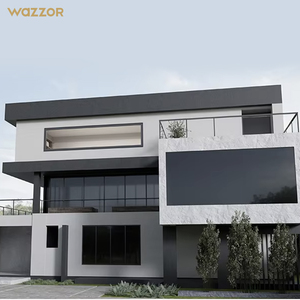
- High-Rise Structural DP70 Rating
- Heavy-duty 6063-T6 Extrusion
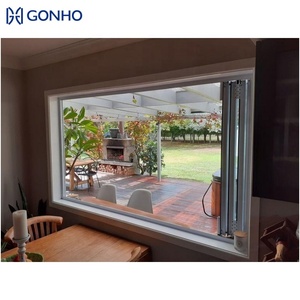
- Laminated SGP / PVB Safety Core
- Precision Stainless Steel Tracks
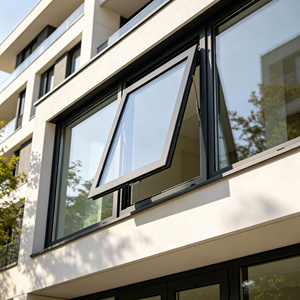
- Multi-Chamber Polyamide PA66
- Acoustic STC 42dB Rating
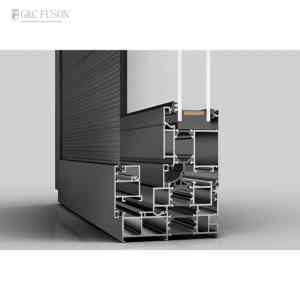
- NFRC U-Factor 0.28 Verified
- Multi-Point Compression Locking
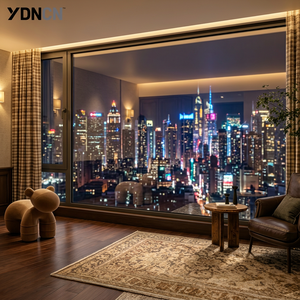
- Qualicoat Fluorocarbon Coating
- Class-Leading Air Permeability
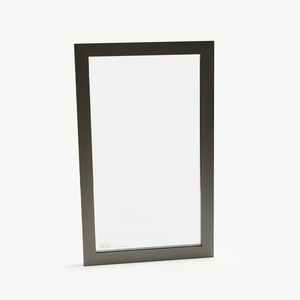
- Minimalist Sightline Framework
- Anti-Corrosion Anodized Finish
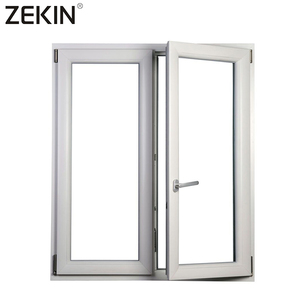
- 304/316 Stainless Security Grid
- Forced-Entry RC3 Tested
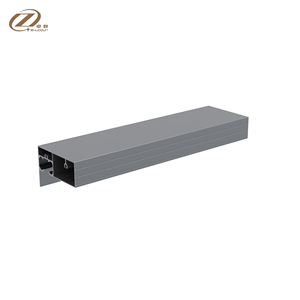
- High-Tension Stainless Barrier
- Marine-Grade Powder Coating
Evaluating the Global Top 10 Aluminum Storm Windows Suppliers & Exporters
A rigorous assessment of technical credentials, manufacturing capacities, international testing standards, and supply chain accountability for commercial and residential fenestration procurement.
Whether projects require retrofitting historic facade envelopes or completing modern luxury high-rise developments in Florida, the Caribbean, South America, or coastal Australia, identifying the right manufacturing partner dictates project viability. Below, our engineering and procurement team reviews the benchmarks that define the Top 10 Aluminum Storm Window Manufacturers and Exporters globally, balancing Western engineering specifications with high-throughput Tier-1 Chinese smart manufacturing bases.
| Supplier Classification / Region | Primary Certifications | Alloy & Frame Standard | Design Pressure (DP) | Best Suited Architectural Application |
|---|---|---|---|---|
| DERCHI / Guangdong Dejiyoupin (China) | CE, ISO9001, AS2047 N6, NFRC, Miami NOA std | 6063-T6 / 6061-T6 (Multi-Cavity Thermal Break) | DP65 - DP100 (Custom Engineered) | Luxury Coastal Villas, Commercial Façades, Export Consolidations |
| Tier-1 North American Fabricators (USA) | AAMA, NFRC, Florida Building Code (FBC) | 6063-T5 Structural Aluminum | DP50 - DP80 | Domestic US Residential Replacement & Coastal Retrofits |
| German & Italian System Houses (Europe) | CE Mark, EN 14351-1, Passive House (PHI) | Alloy 6060 / Polyamide PA66 Insulbar | Class C4/C5 Wind Resistance | Ultra-Low Energy Envelopes, Minimalist High-End Architecture |
| Australasian Impact Exporters (Oceania) | AS2047, AS1288 Cyclonic Rating (Region C & D) | Structural Extrusion T6 Hardness | Up to 4500 Pa Cyclonic Load | Extreme Wind Zone Developments, Tropical Cyclone Belts |
| Bespoke Latin American Importers / Assemblers | ABNT NBR 10821, IRAM, Local Municipal Codes | Standard Anodized / Powder Coated 6063 | DP30 - DP50 | Mid-Tier Residential Enclosures & Regional High-Rise Units |
Why International Developers Source from DERCHI (Guangdong Dejiyoupin)
Headquartered in Foshan, China’s global capital of architectural aluminum fabrication, DERCHI combines massive scale with strict Western building code compliance.
180,000㎡ Mega Production Base
Equipped with intelligent CNC double-head profile machining centers, automated sealant injection, and digital glazing lines ensuring precise milling within 0.1mm tolerances for air-tight storm window assemblies.
AS2047 N6 & NFRC Compliance
DERCHI products have surpassed Australia’s stringent AS2047 N6 testing (the highest rating for deflection and water ingress) alongside American NFRC thermal standards, proving resistance against Category 5 hurricane conditions.
One-Stop Container Consolidation
Consolidate custom aluminum storm windows, architectural pivot doors, garage doors, and interior partitions in a single export container. This eliminates intermediate warehousing, halves sea freight costs, and minimizes handling damage.
Free CAD Shop Drawings & BIM
Our dedicated engineering department converts client architectural schematics into detailed fabrication shop drawings within 48 hours, detailing wind load anchors, sub-frame mullions, sill weep paths, and glazing clearances.
Emerging Procurement Trends Shaping Global Storm Window Sourcing
Strategic insights for procurement directors, quantity surveyors, and façade consultants planning project specifications over the 2025–2030 horizon.
Low-Carbon Recycled 6063-T6 Extrusions
Global architectural standards such as LEED v4.1, BREEAM, and EU CBAM are prioritizing secondary recycled billet aluminum. Leading exporters now provide third-party Environmental Product Declarations (EPDs), proving frame carbon footprints below 4.0 kg CO2e/kg aluminum without compromising yield strength.
Multi-Threat Hurricane & Security Hybrids
Rather than purchasing separate storm shutters, insect screens, and security bars, developers increasingly specify unified multi-threat systems. Modern aluminum storm windows incorporate high-tensile 304/316 marine stainless steel mesh paired with structural SGP laminated glass, meeting ASTM F3038 forced-entry while sustaining Miami-Dade large missile impacts.
Digital Factory Audits & Traceable QA
International buyers are moving away from manual agent inspections. Tier-1 exporters provide 360° VR factory audits, real-time spectrometer alloy verification, batch-recorded ultrasonic coating thickness reports, and individual barcode tracking from billet extrusion to seaworthy plywood crating.
Technological Evolutions in Aluminum Storm Window Engineering
A deep dive into profile geometry, thermal isolation barriers, impact interlayers, and high-durability surface chemistry.
Continuous Polyamide PA66 Thermal Breaks
Traditional single-skin aluminum storm windows suffered from severe condensation and heat conductivity. Modern export-grade systems utilize multi-chambered 24mm to 34mm technoform polyamide insulating struts with 25% glass fiber reinforcement, driving overall window U-factors down to 0.22 BTU/(h·ft²·°F) while retaining structural rigidity under peak negative wind vacuums.
Structural SentryGlas (SGP) Interlayers
While traditional laminated glass utilizes standard PVB (Polyvinyl Butyral), next-generation hurricane storm windows integrate ionoplast SGP interlayers. SGP is five times tougher and up to 100 times stiffer than PVB. When shattered by high-velocity projectile impacts during 160+ mph hurricanes, the glass pane remains completely erect within the aluminum rebate, preventing deadly internal air pressurization.
AAMA 2605 Fluorocarbon PVDF Coatings
Coastal and maritime environments subject aluminum storm windows to intense airborne salt spray, humidity, and extreme solar UV radiation. Utilizing genuine 70% Kynar 500 / Hylar 5000 PVDF resin or Qualicoat Class 3 powder coatings guarantees over 3,000 hours of continuous acetic salt spray resistance without blistering, chalking, or color fading over a 20-year operational lifecycle.
Frequently Asked Questions in Global Storm Window Procurement
Technical answers to common inquiries from developers, quantity surveyors, architects, and customs brokers importing certified aluminum fenestration.
What is the technical difference between an ordinary aluminum window and a certified storm window?
Ordinary residential aluminum windows are generally rated for standard wind pressures (DP20 to DP30) with non-impact monolithic glass. In contrast, certified storm and hurricane impact windows feature heavy-walled 6063-T6 alloy frames (typically 1.8mm to 3.0mm wall thickness), corner joint reinforcement steel plates, structural silicone glazing (such as Dow Corning 983), and impact-rated laminated or insulated glass certified to ASTM E1886/E1996 or TAS 201/202/203 standards.
What international testing standards must be verified before importing?
For North American projects, look for AAMA/WDMA/CSA 101/I.S.2/A440 ratings, Miami-Dade NOA, Florida FBC product approval, and NFRC thermal metrics. For Australia and New Zealand, AS2047 and AS1288 certification are legally mandated. In the European Union, CE marking under EN 14351-1 is standard. Reputable Chinese tier-1 exporters furnish genuine third-party laboratory test reports from recognized bodies like Intertek, SGS, or TUV.
How are heavy oversized storm windows packaged to prevent ocean transit damage?
Export packaging is critical for heavy fenestration. Premier manufacturers employ a multi-layered protection protocol: profile surfaces receive peelable UV-resistant protective film, window corners are encased in shock-absorbent composite rubber guards, and entire assemblies are hermetically wrapped in EPE foam and bubble film before being loaded into fully fumigated, steel-strapped solid plywood crates with integrated forklift skids.
What are the typical manufacturing lead times for custom architectural projects?
Standard lead times for custom-engineered aluminum storm windows range between 25 to 35 calendar days following CAD shop drawing approval. For orders requiring specialized architectural glass (e.g., curved SGP laminated glass, triple Low-E argon-filled units, or non-standard custom fluorocarbon RAL powder coatings), production requires approximately 35 to 45 days. Expedited production lanes are available for critical construction schedules.
Ready to Engineer Certified Storm Windows for Your Project?
Consult directly with DERCHI's senior fenestration engineers. Receive complimentary CAD shop drawings, structural wind-load calculations, and factory-direct CIF/FOB pricing tailored to your opening schedule.