Precision Engineering Meets Architectural Grandeur
In modern high-performance residential and light-commercial architecture, main entry doors serve as both an unmistakable aesthetic centerpiece and a frontline defense against atmospheric degradation, energy leakage, and unauthorized intrusion. As fenestration engineering pivots from conventional timber and standard steel toward high-tensile 6063-T6 aluminum alloys and precision polyamide thermal barriers, structural specifiers, general contractors, and developers require verified empirical data to benchmark tier-one suppliers worldwide.
Featured Architectural Main Door Systems
Verified commercial-grade and luxury villa configurations fabricated in accordance with international wind-loading and thermal acoustic standards.
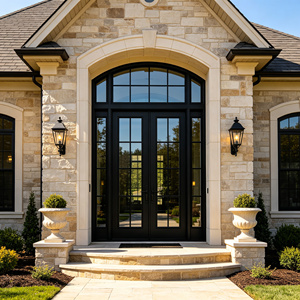
Thermal Break Aluminum Double Entry Door With Transom
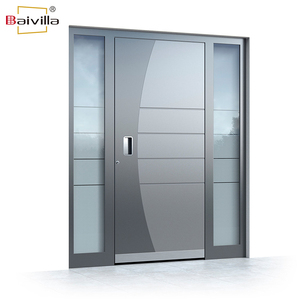
Custom Villa Exterior Smart Security Entrance Door
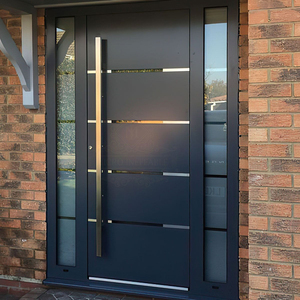
Luxury Modern Design Anti-Theft Aluminum Villa Front Door
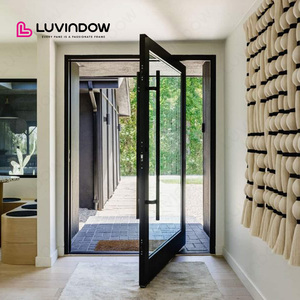
Luxury Villa Thermal Break Aluminum Pivot Door
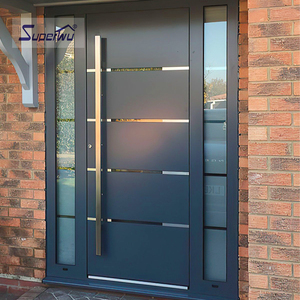
NFRC AS2047 Exterior Safety Impact Entry Door
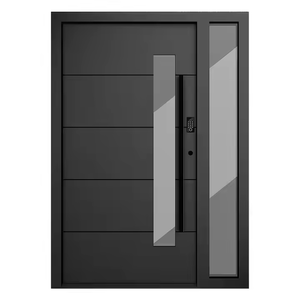
European High Security Exterior Front Villa Door
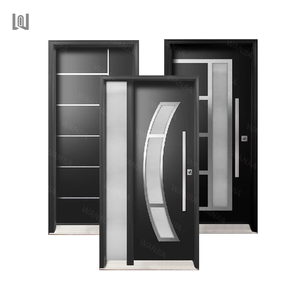
Anti-Theft Residential Main Entrance Security Door
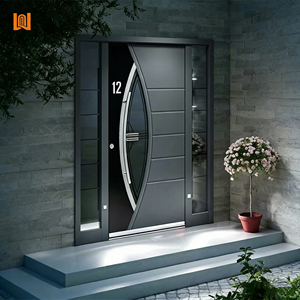
Modern Aluminum Bulletproof Glass Front Security Door
Aluminum Main Door Typologies: Comparative Performance Analysis
To assist project specifiers and procurement departments in matching the correct door construction to environmental and architectural parameters, the following empirical framework analyzes structural performance, maintenance cycles, and acoustic benchmarks.
| Door Construction Typology | Primary Substrate & Alloy | Thermal Transmittance (U-Value) | Security Rating Compliance | Acoustic Attenuation (Rw) | Corrosion Resistance |
|---|---|---|---|---|---|
| Polyamide Thermal Break Aluminum | 6063-T6 Extruded Alloy (2.0–3.0mm) | 1.1 – 1.6 W/m²K | RC2 / RC3 (EN 1627) | 38 – 44 dB | Class 4 (ISO 9227) |
| Architectural Heavy-Duty Pivot | 6060-T6 with Stainless Internal Core | 1.4 – 1.8 W/m²K | Multi-Point European Hook | 35 – 41 dB | Marine Powder Coated |
| Cast Aluminum Solid Panel (Artisanal) | A356 High-Density Cast Plate (8–12mm) | 1.5 – 2.0 W/m²K | High-Impact Forced Entry Vandalism | 40 – 46 dB | Fluorocarbon / PVDF |
| Laminated Impact & Ballistic Glass | Reinforced Perimeter Aluminum Channel | 1.2 – 1.7 W/m²K | UL 752 / AS2047 Impact Certified | 39 – 45 dB | Anodized 25μm Min. |
| Composite Hybrid (Aluminum-Steel Core) | Stainless Core + Extruded Exterior Skin | 1.3 – 1.7 W/m²K | Anti-Pry Class RC4 Ready | 42 – 48 dB | C5-M Coastal Certified |
Why Global Importers & Contractors Source from DERCHI
Operating from our 180,000㎡ industrial footprint in Foshan, Guangdong—the worldwide epicenter of precision architectural metalworking—Guangdong Dejiyoupin Doors and Windows Co., Ltd. (DERCHI) stands among China’s Top 10 fenestration innovators. We bridge the gap between design vision and industrial repeatability.
Consolidated Architectural Portfolios
Eliminate subcontractor friction. Source precision aluminum main entry portals, internal solid timber leaf systems, and matching motorized sectional garage doors within a single, unified factory order and shipping container.
Stringent International Compliance
Our fenestration assemblies pass rigorous testing protocols including CE, ISO9001, Australian AS2047 cyclonic impact, and UL fire standards, providing the compliance dossiers required by structural authorities worldwide.
Complimentary Parametric CAD Shop Drawings
Prior to billet extrusion or profile cutting, our 600-strong team of mechanical and structural draftsmen prepares full shop submittals including structural anchoring details, threshold drainage profiles, and pivot load vectors.
Time-Zone Aligned Project Management
Dedicated bilingual technical support teams are deployed across North American, European, and South American working windows, ensuring submittal reviews, video audits, and technical queries receive immediate resolution.
C5-M Marine Surface Coatings
Entry doors located in high-salinity maritime zones or tropical heat belts receive pre-treated multi-stage fluorocarbon (PVDF) or Qualicoat Class 2 architectural powder coatings, ensuring resistance to UV fading and chalking.
Ocean-Freight Heavy-Duty Crate Packaging
Each oversized door panel is wrapped in scratch-resistant film, edge-protected with high-density EVA foam, and locked inside fumigated, moisture-sealed structural plywood crates engineered for intermodal container transit.
Emerging Procurement Trends in Aluminum Main Portals
Strategic intelligence for architectural specification teams, distribution directors, and commercial developers planning 2026–2030 development cycles.
Oversized Pivot Monoliths
Residential developers are bypassing traditional hinges in favor of floor-anchored hydraulic pivot systems that allow opening heights exceeding 3.5 meters and widths over 2.0 meters, creating unobstructed threshold experiences without structural sag.
Polyamide Thermal Barrier Mandates
Tightening building envelope standards globally (such as Title 24, LEED v4.1, and EU Net-Zero Directives) require aluminum main doors to incorporate multi-cavity, fiberglass-reinforced PA66 thermal breaks to prevent condensation and reduce HVAC cooling loads.
Biometric IoT Integration
Mechanical cylinder locks are rapidly transitioning to factory-integrated electronic multi-point locksets featuring 3D facial recognition, encrypted fingerprint sensors, and BACnet/KNX home automation integration concealed within the aluminum stile.
Aeronautical Cast Aluminum Inlays
Modern designs increasingly integrate high-relief 3D sculpted cast aluminum panels bonded to thermal aluminum frames. This technique combines artisanal architectural presence with total resistance to rot, termites, and swelling common to timber doors.
Cyclonic & Salt-Mist Armor
As coastal urban developments expand in Florida, the Caribbean, South America, and the Pacific Rim, specifiers mandate dual-stage EPDM silicone co-extruded gaskets and AS2047 N6 wind resistance ratings capable of handling extreme pressures up to 4500 Pascals.
Direct-to-Fabricator Engineering Consolidation
Leading property developers and national window/door distributors are eliminating regional middlemen. By dealing directly with vertically integrated Chinese manufacturers capable of extruding, coating, machining, and pre-assembling complete door packages, procurement teams realize 25–40% capital savings while gaining direct influence over structural QA/QC checkpoints and shipping schedules.
Architectural Door Sourcing: 4-Point Technical Checklist
Verify these critical criteria before signing international commercial door supply agreements.
Frequently Asked Questions on Aluminum Main Doors
Comprehensive, non-promotional technical answers compiled by our senior structural facade engineers.
What structural advantages do aluminum alloy main entry doors hold over solid timber or steel?
How does a thermal break system prevent condensation and heat transfer in aluminum entrance doors?
What are the maximum recommended dimensions and weight thresholds for modern oversized pivot doors?
What international surface finish standards are recommended for coastal or high-salinity locations?
How does DERCHI manage international shipping, transport damage risks, and on-site alignment?
Accelerate Your Architectural Entrance Sourcing
Connect directly with our senior fenestration engineers in Foshan. Submit your project schedules or architectural sketches for comprehensive DFM (Design for Manufacturing) review, wind-load analysis, and direct-factory pricing within 24 business hours.