High-Performance Aluminum Lower & Architectural Fenestration Systems
Engineered for structural air-tightness, wind load displacement compliance, and acoustic attenuation in commercial developments and high-tier residences.
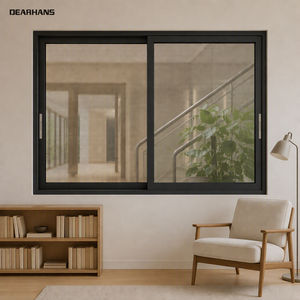
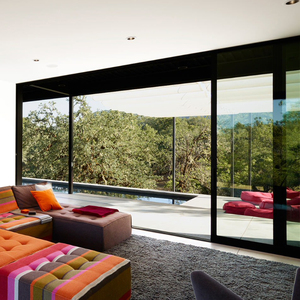
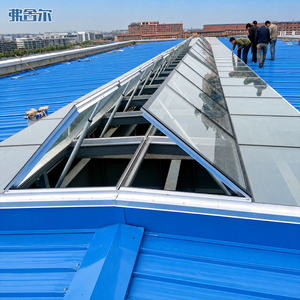
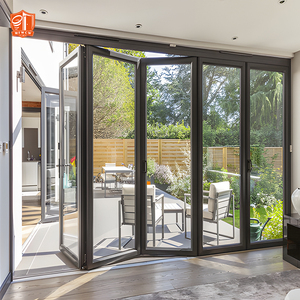
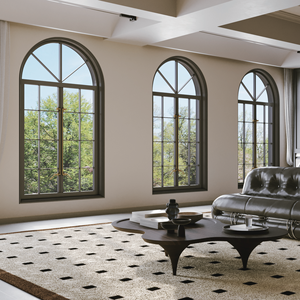
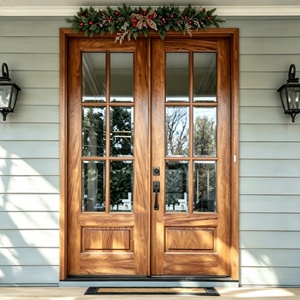
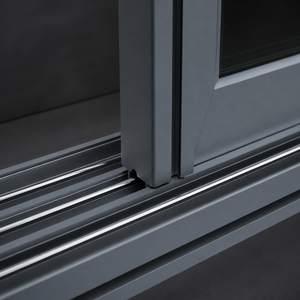
Engineering Evaluation: Top 10 Aluminum Lower Window Factories & Manufacturing Paradigms
A technical taxonomy evaluating primary extrusion integrity, thermal barrier polymer compounding, and multi-point perimeter compression engineering.
Alloy Metallurgy: 6063-T5 vs. 6063-T6
Tier-1 lower window manufacturers utilize primary A00 aluminum ingots. Extrusions fabricated under 6063-T6 parameters exhibit a minimum tensile strength of 205 MPa and yield strength of 180 MPa, eliminating sash sagging across sub-sill configurations compared to recycled billet processors.
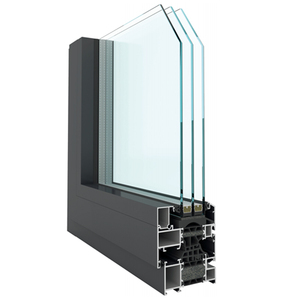
Polyamide Thermal Barriers (PA66 GF25)
Structural thermal decoupling requires continuous glass-fiber-reinforced (25%) polyamide struts. Low-tier facilities often substitute PVC or inferior ABS, leading to differential thermal coefficient failure, frame distortion, and seal degradation under intense diurnal cycles.
Hermetic Gasketing & EPDM Vulcanization
Lower window openings face ground-level water splashback and heavy hydrostatic pressures. Leading plants execute continuous vulcanized co-extruded EPDM gaskets featuring seamless molded corner joints, delivering Class 4 air permeability and Class 9A water resistance.
| Evaluation Parameter | Top Tier-1 OEM Standard (e.g. DERCHI) | Mid-Tier Regional Fabricator | Low-Cost Commodity Workshop |
|---|---|---|---|
| Billet Material Origin | 100% Virgin Aluminum (6063-T5 / T6 Certified) | Mixed Ingot Blends with Secondary Scrap | Uncertified Recycled Smelter Scrap |
| Thermal Isolator | Technoform PA66 GF25 Polyamide Strips | Generic Domestic PA66 Strips | Unreinforced PVC Extrusion Strips |
| Surface Anodizing / Coating | AkzoNobel / PPG PVDF (≥3 coats, 40μm+) | Standard Architectural Powder (60μm) | Non-Standard Electrostatic Paint (<40μm) |
| Global Code Compliance | AS2047, CE, ASTM, ISO9001 | Regional Code Compliance Only | No Verified International Certification |
| Perimeter Structural Tolerances | ±0.5 mm CNC Automated Milling | ±1.5 mm Semi-Manual Fabrication | ±3.0 mm Manual Cutting Table |
Future Procurement Dynamics & Fenestration Development Trends (2025–2030)
Analysis of evolving macro procurement behaviors, stricter decarbonization policies, and technological shifts across modern envelope engineering.
1. Embodied Carbon & Closed-Loop Extrusions
Global architectural procurement mandates Low-Carbon Aluminum (smelted via hydroelectric power emitting <4.0 kg CO2/kg Al). Institutional procurement specifications in North America and the EU increasingly prioritize suppliers providing documented Environmental Product Declarations (EPDs).
2. Ultra-Narrow Sightlines & Structural Glazing
The transition toward minimalist structural geometry requires perimeter frame sightlines under 45 mm while sustaining glass unit weights up to 450 kg. This demands structural thermal breaks coupled with concealed drainage channels designed to prevent lower-sill water pooling during storm surges.
3. Factory-Integrated Modular Pre-Glazing
Escalating on-site installation labor costs globally have accelerated the demand for factory-glazed unitized modules. Complete frames with hermetically sealed Insulated Glass Units (IGUs), pre-installed balance hardware, and sub-frame flashing are shipped crated, minimizing jobsite assembly error.
Guangdong Dejiyoupin Doors & Windows: Direct Manufacturing Authority
Operating from Foshan, the epicenter of global fenestration engineering, DERCHI delivers an institutional manufacturing ecosystem built on quarter-century manufacturing discipline.

180,000㎡ Scaled Industrial Infrastructure
Our centralized manufacturing park houses fully integrated automated profile precision cutting, CNC multi-axis milling, glass toughening, automated IGU assembly lines, and high-capacity export crating logistics.

Verified International Certification Suite
Products undergo destructive and non-destructive load testing, earning AS2047 (Australian N6 cyclone tier), CE EN-14351-1, ISO9001, and UL certifications, backed by comprehensive project test data sheets.

Single-Source Turnkey Export Logistics
Consolidate lower windows, heavy architectural sliders, bi-folds, cast aluminum entry barriers, and interior doors in containerized shipments directly from Foshan to your destination port under FOB/CIF agreements.
Frequently Asked Questions: Aluminum Lower Window Sourcing & Engineering
Essential guidance addressing technical specifications, logistics risk mitigation, and international code compliance.
What engineering parameters define an "Aluminum Lower Window"?
How do your factories ensure air & water tightness under severe storm conditions?
Can your engineering team support custom CAD shop drawings and structural calculations?
What glass configurations are available for optimal U-value and acoustic reduction?
How do you prevent shipping damage and oxidation during transoceanic transit?
What are the standard production lead times for custom architectural schedules?
Advance Your Project with an Authoritative Manufacturing Partner
Submit your door and window schedule, architectural drawings, or technical RFQ. Our senior engineering team will evaluate your specifications and provide certified CAD solutions with an itemized factory-direct quote.
Send an Inquiry