Engineered Kitchen & Residential Architectural Windows
Tested for differential thermal loads, high-humidity grease exposure, soundproofing, and structural wind tightness.
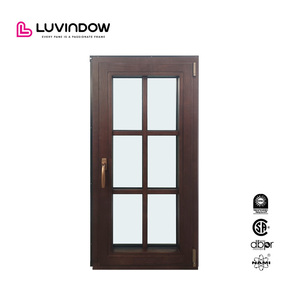
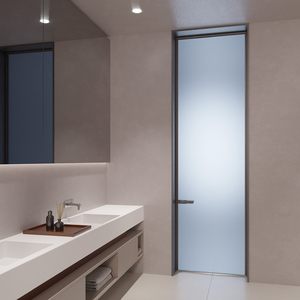
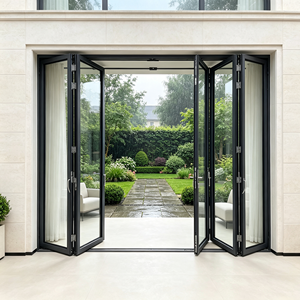
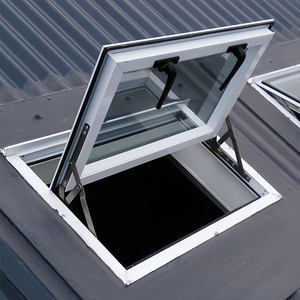
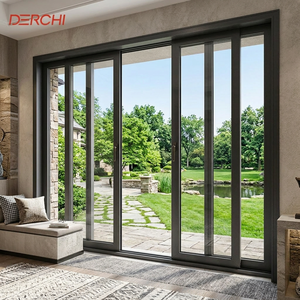
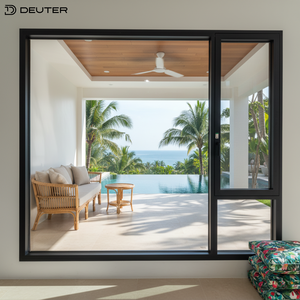
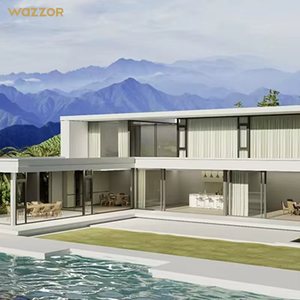
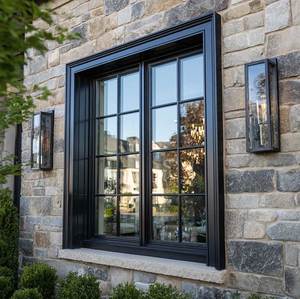
Engineering Dynamics of Aluminium Kitchen Fenestration
Addressing the extreme intersection of cooking grease vapors, localized humidity spikes, corrosive cleaning compounds, and exterior weather resilience.
In high-end architectural and multi-family developments, kitchen fenestration is routinely subjected to microclimatic stress tests far more aggressive than living room or master suite apertures. The persistent emission of high-temperature cooking grease, volatile acidic compounds, and rapid relative humidity shifts (often fluctuating from 35% to 95% RH in minutes) demands window framing systems that combine metallurgical non-porosity with chemical-resistant fluorocarbon coatings. Selecting a supplier for aluminium kitchen windows requires moving beyond superficial aesthetic criteria to quantify structural thermal isolation, weep-hole fluid evacuation dynamics, and airtight mechanical compression systems.
Modern architectural layouts heavily favor biophilic passthrough designs, such as gas-strut serveries, counter-flush horizontal slide units, and acoustic tilt-and-turn modules. These installations bridge indoor culinary environments directly to outdoor alfresco courtyards. However, without engineered thermal barriers (such as PA66 GF25 polyamides), localized surface condensation will inevitably manifest along the interior aluminum reveals. Over prolonged cycles, this condensation triggers fungal colonies, delaminates adjacent stone countertops, and compromises perimeter silicone hermetic bonds. Commercial specifiers, general contractors, and real estate developers must therefore systematically benchmark global manufacturers against verified laboratory certifications, alloy metallurgy integrity, and custom fabrication tolerances.
Alloy Metallurgy: 6063-T6
Primary extrusion profiles must adhere to 6063-T6 or 6060-T6 architectural grades. Wall thickness minimums of 1.4mm to 2.0mm guarantee structural integrity against wind shear while securely retaining heavy multi-point locking gear.
Polyamide Thermal Barriers
PA66 reinforced with 25% glass fiber (GF25) eliminates thermal bridging across aluminum extrusions. This achieves U-values down to 1.1–1.6 W/m²K, preventing interior kitchen sweating and thermal condensation stains.
Surface Fluorocarbon (PVDF)
Electrostatic PVDF fluorocarbon coatings or marine-grade Qualicoat Class 2 powder coats withstand acidic food oils, vaporized animal fats, and corrosive alkaline surfactants without surface chalking, pitting, or discoloration.
Top 10 Aluminium Kitchen Windows Manufacturers & Suppliers
An audited comparative matrix evaluating leading global extrusion fabricators on core capabilities, system specialties, certifications, and project scale suitability.
| Manufacturer / Brand | HQ / Manufacturing Base | Core Specialty in Kitchen Fenestration | Primary Certifications | Lead Time & Min MOQ | Global Sourcing Verdict |
|---|---|---|---|---|---|
| DERCHI (Guangdong Dejiyoupin) | Foshan, China (180,000㎡ Base) | Full Custom Servery Folders, Tilt-and-Turn, Motorized Venting | CE, ISO9001, AS2047, UL Fire, AAMA | 15–25 Days / Flexible Project MOQ | Top Direct Factory Value |
| Schüco International | Bielefeld, Germany | Ultra-Luxury Passive House Minimalist Kitchen Casements | DIN EN 14351-1, Passive House PhA | 10–14 Weeks / High Volume | Premium Luxury / High Budget |
| Reynaers Aluminium | Duffel, Belgium | Multi-Track Sliding Passthrough & Acoustic Wall Systems | Qualicoat, ISO 14001, Cradle to Cradle | 8–12 Weeks / Containerized | High Architectural Quality |
| YKK AP Inc. | Tokyo, Japan / USA | High-Durability Commercial Anodized Coastal Kitchen Sliders | AAMA / WDMA / CSA 101, ISO 9001 | 6–10 Weeks / Commercial Standard | Ideal for Commercial High-Rises |
| Kawneer (Arconic) | Norcross, GA, USA | Heavy Commercial Curtain Wall & Food-Service Framing | AAMA, LEED Certified Profiles | 8–12 Weeks / Large Commercial | Standard North American Spec |
| Alumil Systems | Kilkis, Greece | Minimalist Bi-Fold Servery Windows & Hidden Sashes | IFT Rosenheim, CE, ISO 9001 | 6–9 Weeks / Mid-Large MOQ | Superb Mediterranean Design |
| Wicona (Hydro Group) | Ulm, Germany | Circular Low-Carbon Recycled Hydro CIRCAL 75R Fenestration | EPD, ISO 50001, Passive House | 8–11 Weeks / Project Based | Benchmark for Carbon Neutral |
| Andersen Windows (E-Series) | Bayport, MN, USA | Aluminum Clad Structural Wood Kitchen Casements | WDMA, NFRC, Energy Star | 5–8 Weeks / North America Only | High Classic Residential Demand |
| JELD-WEN Architectural | Charlotte, NC, USA | Standard Extruded Kitchen Replacements & Track Sliders | NFRC, CE, AAMA Approved | 4–7 Weeks / Distributor Networks | Broad Multi-Unit Housing Fit |
| Technal (Hydro Building) | Toulouse, France | Aesthetic Micro-Profile Servery Windows with Concealed Hardware | Qualanod, ISO 9001, NF Cert | 7–10 Weeks / Mid-High Volume | Architectural High Aesthetics |
Future Procurement Trends in Architectural Fenestration
How carbon regulatory shifts, smart building ecosystems, and spatial fluidity are redefining global window specifications.
Zero-Threshold Fluidity
Developers are eliminating the distinction between indoor prep kitchens and outdoor culinary patios. Sinking sill extrusions flush into counter marble allows uninterrupted pass-through sliding lines with integrated concealed drainage trays.
Smart IoT Air Flow Interlocking
Motorized awning and clerestory skylight kitchen windows now feature direct BACnet and Zigbee building management integration. Cooking sensor triggers (VOC and smoke sensors) activate micro-venting apertures to prevent air stagnation.
Low-Carbon Aluminium Mandates
Global procurement criteria in the EU, Americas, and Australia increasingly demand Environmental Product Declarations (EPDs). Specifying billets extruded via hydroelectric smelting keeps embodied carbon strictly below 4.0 kg CO2 per kg aluminum.
DERCHI Industrial Advantage & Supply Chain Certainty
Headquartered in Foshan, China's elite manufacturing hub, Guangdong Dejiyoupin Doors and Windows Co., Ltd. streamlines procurement for commercial builders, architects, and international distributors.

One-Stop Consolidated Loading
Consolidate custom aluminium kitchen casements, large-span exterior entry pivot doors, interior flush wooden doors, and garage overhead gates into unified 40HQ container shipments, slashing freight handling costs and damage risks.

Global Building Code Compliance
Every window line is pre-engineered and laboratory tested to conform strictly with CE standards, ISO9001 protocols, Australia AS2047 cyclonic ratings, and UL fire classifications, supported by exhaustive wind pressure and water-tightness test reports.

Precision CAD & BIM Drafting
Avoid expensive onsite job fitting errors. Our structural engineering department provides free, full-scale architectural shop drawings, sill-waterproofing sections, and structural load calculations ready for project engineering approvals.

Dedicated Global Project Support
Our multilingual sales engineers coordinate directly across North American, European, and South American working time zones. From rough-opening dimension verification to remote video installation supervision, projects run on schedule.
Frequently Asked Questions by Global Buyers
Actionable guidance covering technical selection, international shipping logistics, glass thermal ratings, and job-site installation.
Why is aluminium preferred over uPVC or natural timber for kitchen window applications?
What specific window opening configuration is recommended for culinary workspaces?
How do you ensure aluminium windows survive long ocean container voyages without oxidation?
What glazing configuration should be specified to balance light transmission with energy savings?
What engineering documentation is required from buyers to initiate an exact FOB/CIF quotation?
Initiate Your Architectural Window Sourcing Order
Connect directly with our Foshan engineering and estimation team. Receive complimentary CAD shop drawings, factory-direct cost modeling, and comprehensive compliance certifications for your next residential or commercial development.