Interior / Cabinet
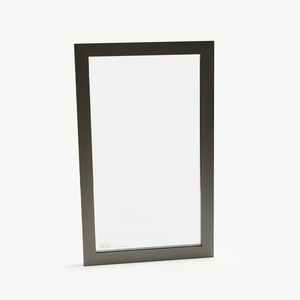
Constructed from primary 6063-T5 and 6063-T6 aerospace-grade virgin billets, our structural doorsets incorporate multi-point European locking assemblies, thermal break polymers, and multi-ply impact laminated glazing engineered to withstand severe architectural load tolerances.
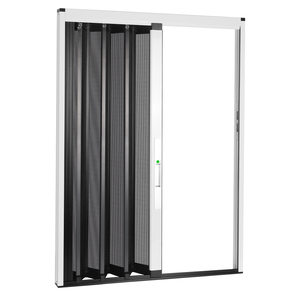
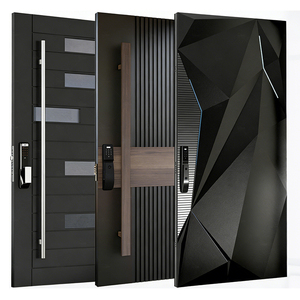
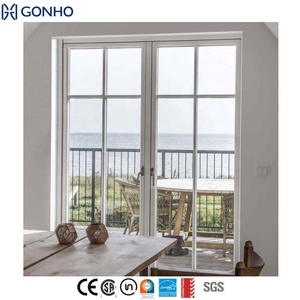
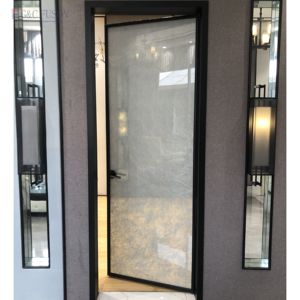
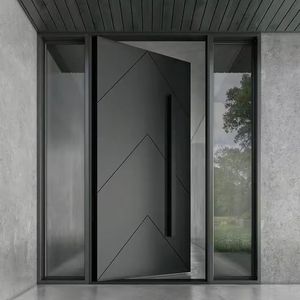
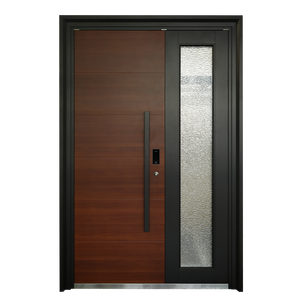
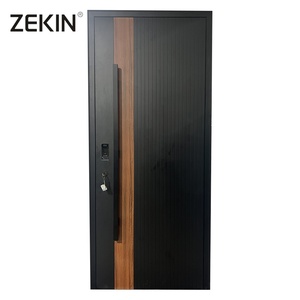
In architectural fenestration and heavy structural entry fabrication, distinguishing between trading brokers and tier-1 source manufacturers represents millions in project risk mitigation. The term "Aluminium ka door"—extensively utilized across South Asian, Middle Eastern, and regional trade corridors—identifies architectural aluminium door assemblies requiring stringent alloy composition, precision powder coatings, and anti-corrosive hardware.
| Evaluation Parameter | DERCHI / Dejiyoupin Manufacturing | Standard Export Fabricators | Local Regional Workshops |
|---|---|---|---|
| Billet Alloy Purity | ✓ 100% Primary 6063-T5 / T6 Virgin Billet | Secondary / Blended Recycled Billet | Scrap-Remelted Secondary Profiles |
| Wall Thickness Precision | ✓ 2.0mm – 3.5mm Commercial Structural Standard | 1.2mm – 1.6mm Thin Residential Wall | <1.0mm Sub-standard Wall Gauge |
| Thermal Break Integration | ✓ Polyamide PA66 GF25 Thermal Barriers | Standard PVC Strips (Low Durability) | No Thermal Break / Monolithic Metal |
| Surface Coating Resilience | ✓ AkzoNobel Fluorocarbon & Qualicoat Cl. 2 | Basic Single-Layer Powder Coat | Manual Spray Paint (Chipping prone) |
| Testing Certification | ✓ CE, AS2047 N6, ISO9001, UL Fire-Rated | Inconsistent Local Laboratory Reports | Uncertified / No Factory QC Data |
The international architectural landscape demands unprecedented thermal performance, architectural scale, and integrated security automation. B2B procurement heads and commercial specifiers must navigate key structural shifts.
The global villa and hospitality market has transitioned from traditional hung doors toward oversized monolithic pivot systems exceeding 3.5 meters in height and 2.0 meters in panel width. Sourcing these massive units requires specialized mechanical engineering.
Export-grade manufacturers must deploy concealed German hydraulic floor springs rated for up to 600kg, multi-chambered internal tie-rod tensioners to avoid thermal deflection ("bananing effect"), and dynamic weather-stripping pneumatic brush seals that engage upon full closure.
With stringent international building codes—such as Title 24, European EN 14351-1, and Australia AS2047—monolithic aluminium profiles are non-viable for exterior building envelopes due to high thermal conductivity.
Top exporters engineer complex multi-cavity thermal break designs using 25% glass-fiber reinforced polyamide (PA66 GF25) barrier strips. Paired with triple-glazed warm-edge argon spacer units and soft-coat Low-E layers, whole-door system U-values drop below 1.2 W/m²K, mitigating interior HVAC loss.
Modern luxury construction integrates military-grade perimeter deterrence invisibly. The intersection of architectural cast aluminium with multi-point biometric locking is dominating commercial specifications.
Future sourcing trends prioritize integrated smart mortise locks with 3D facial recognition, encrypted rolling-code remotes, and German multi-point hook bolts embedded within heavy alloy profiles. Surface treatments have expanded to robotic fluorocarbon sputtering that withstands 3,000 hours of accelerated salt spray tests.
Operating from our massive 180,000㎡ industrial complex in Foshan—China's aluminum door capital—Guangdong Dejiyoupin Doors and Windows Co., Ltd. provides direct manufacturing transparency, verifiable international compliance, and comprehensive supply chain reliability.
Consolidate custom entry doors, thermal-break sliding stackers, commercial glass systems, and interior architectural doorsets into unified container consignments, optimizing shipping costs and customs brokerage fees.
Engineered to international standards with rigorous CE, ISO9001, AS2047 N6 wind pressure certification, and UL fire-rating testing. Complete engineering deflection reports supplied for local structural sign-off.
Eliminate job-site installation errors. Our in-house fenestration engineers deliver comprehensive CAD elevation layouts, wall-junction waterproofing details, and structural anchoring schematics before extrusion begins.
Every profile undergoes protective film wrapping, corner foam impact armor, and customized fully fumigated solid wooden crating specifically designed for long intermodal maritime container voyages.
Clear technical insights into global commercial purchasing, structural metrics, ocean freight crating, and direct manufacturer verification.
Whether you require complete architectural shop drawings for an ultra-luxury residential project, or standard containerized procurement for commercial housing developments, our technical engineers respond with comprehensive CAD and cost schedules within 24 hours.