Top 10 Aluminium Burglar Doors Manufacturer & Suppliers
A comprehensive engineering whitepaper on structural integrity, RC3/PAS 24 security compliance, thermal barrier innovation, and direct OEM procurement workflows.
180,000㎡
Integrated Factory Base
25+
Years Engineering Expertise
RC3 / PAS24
Certified Intrusion Resistance
100+
Global Patents & Accreditations
Engineered Portfolio
Precision Anti-Intrusion Aluminum Entrance & Patio Systems
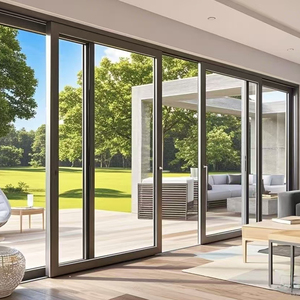
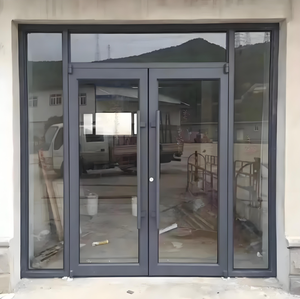
Explore 8 enterprise-grade door and window assemblies engineered with multi-chamber extruded aluminum, multi-point locksets, and impact-resistant glazing to withstand forced-entry tactics.
The Mechanics of Intrusion Resistance in Architectural Aluminium
Specifying burglar-resistant aluminium door systems requires evaluating metallurgy, load distribution, and European resistance classes (EN 1627) versus North American ASTM F476 protocols.
Alloy Temper & Wall Profiles
Standard profiles flex under hydraulic spreading tools. Elite burglar doors mandate primary 6063-T6 or 6060-T66 alloys with exterior wall thicknesses exceeding 2.5mm to 3.0mm, paired with internal titanium-alloy reinforcement ribs along hinge anchors.
Kinematic Multi-Point Locking
Single mortise latch points invite lever attacks. Leading manufacturers deploy high-torque gearboxes actuating 5 to 7 hardened steel hook-bolts that lock bidirectionally into the sub-frame, rendering crowbar separation futile even under 15kN lateral leverage.
Attack-Resistant Glazing P6B/P7B
Large-format glass leaves must pair structural aluminium sash extrusions with SentryGlas (SG) or multi-layer PVB laminated safety glass (EN 356). Glass units are mechanically retained with internally clipped security beads that cannot be unclipped from the perimeter exterior.
Resistance Level
Typical Attacker Profile
Toolkit / Tactics Employed
Resistance Time
Recommended Spec (DERCHI Class)
RC2 / PAS 24
Opportunistic intruder
Screwdrivers, pliers, wedges, manual force
≥ 3 Minutes
Standard Villa Patio
RC3 (EN 1627)
Determined burglar
Crowbars (710mm), cold chisels, manual drills
≥ 5 Minutes
Heavy Pivot Entrance
RC4 / Marine Anti-Ram
Organized, experienced crew
Heavy sledgehammers, cordless saws, plate shears
≥ 10 Minutes
Cast Aluminium Security Core
Hurricane Impact + Burglary
Severe windstorm + Forced entry
Large missile (9-lb 2x4 @ 50fps) + Pry bars
Total Deflection ≤ L/175
Storefront Impact Systems
Market Intelligence
Strategic Sourcing Trends for Aluminium Burglar Doors (2025-2030)
Global supply chain disruptions and stringent building envelope standards have transformed how architects, commercial builders, and luxury villa developers procure security fenestration systems.
Direct-from-Source OEM Consolidations
Distributors are actively eliminating intermediate brokers. Contracting directly with Chinese Tier-1 manufacturing facilities (180,000㎡ scale) allows overseas developers to consolidate main security gates, flush patio pocket doors, and interior partitions inside consolidated ocean containers, lowering logistics expenditures by 28-35%.
Harmonized Thermal & Security Envelopes
Historically, solid security doors created intense thermal bridging. Today's global codes (ASHRAE 90.1, Title 24, and South American NCh standards) demand U-factors below 1.4 W/m²K alongside RC3 ratings. This drives adoption of multi-chamber polyamide thermal breaks embedded with aerogel insulation cores.
Smart Biometric & Access Integration
Traditional key cylinders represent the primary point of lock-picking vulnerability. The forward procurement pipeline is shifting toward integrated 3D facial recognition, encrypted RFID escutcheons, and concealed motorized deadbolts that trigger automated alarms upon vibration threshold breaches.
Factory Verification
Why Global Importers Partner with Guangdong Dejiyoupin (DERCHI)
Headquartered in Shishan Town, Nanhai District, Foshan—China’s epicenter for structural aluminium extrusion—DERCHI provides unmatched manufacturing horsepower backed by over 25 years of engineering experience.
180,000㎡ Mega Facility
Our smart plant houses over 600 skilled technicians, automated CNC corner-crimping cells, and high-precision fluorocarbon coating lines guaranteeing dimensional tolerances within ±0.5mm.
Verified Accreditations
Certified under CE, ISO9001, AS2047 (Australia N6 cyclonic testing), and UL fire-rated protocols. Full certified laboratory test reports are provided on request for local engineering audits.
Complimentary CAD Shop Drawings
Every custom opening is detailed by our in-house fenestration engineers. Detailed cross-sections, structural load calculations, and thermal simulations are signed off before machining begins.
Global Export Crating
Each frame is wrapped in anti-scratch foam, sealed with EPE film, and crated in fumigated solid timber frames engineered for severe ocean freight conditions and intermodal transfer.
How does an aluminium burglar door compare to solid steel or cast iron?
Aluminium offers superior corrosion resistance compared to mild steel, making it ideal for coastal regions subject to saline humidity where steel blisters and rusts. While steel is denser, premium extruded 6063-T6 multi-chamber aluminium profiles achieve comparable tensile performance through internal stiffening webs without the extreme hinge-sagging weight associated with solid cast iron gates.
Can custom oversized pivot burglar doors handle extreme wind loads?
Yes. DERCHI large-scale pivot systems undergo AS2047 cyclonic testing up to N6 ratings (exceeding 3000 Pa design wind pressure). Structural deflection is controlled by embedding cold-drawn steel tube reinforcements inside the primary vertical stiles, supported by hydraulic bottom pivot bearings rated for up to 1,000 kg operating leaves.
What surface finishes protect aluminium burglar doors against UV degradation?
We apply AAMA 2605-compliant PVDF (fluorocarbon) electrostatic spray coatings or Qualicoat Class 2 super-durable architectural powder coatings. These treatments exhibit remarkable resistance against chalking, salt spray exposure (over 3,000 hours ASTM B117), and severe high-altitude ultraviolet radiation across South America and tropical belts.
What documentation is required to generate an accurate factory quotation?
To provide an accurate FOB/CIF project quote within 24 hours, our engineering department requires: rough opening rough-in dimensions (width x height x wall depth), opening direction (inswing, outswing, left/right pivot), glazing type (double glazed, laminated security glass), locking hardware specification (mechanical, motorized smart biometric), and preferred project delivery port.
Engineer Your Building Envelope with Proven Security
Connect directly with DERCHI's technical sales team in Foshan. Request our complete architectural portfolio, BIM assets, and verified laboratory test certifications.