Hospitality Spec
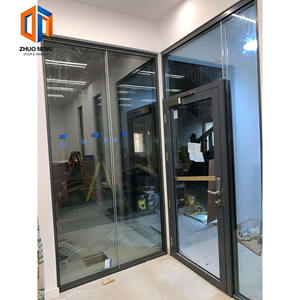
Direct-from-factory certified internal assemblies engineered for 30, 60, and 90-minute fire resistance, high acoustic dampening (STC ratings up to 42 dB), and architectural integration across institutional and hospitality interiors.
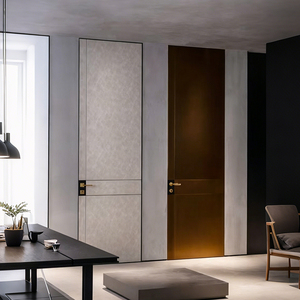
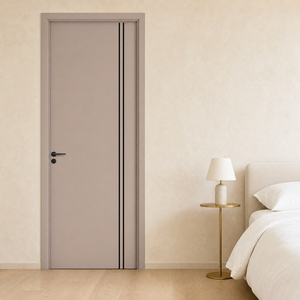
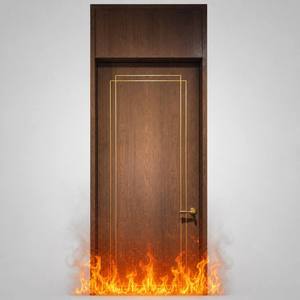
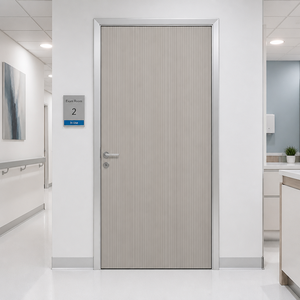
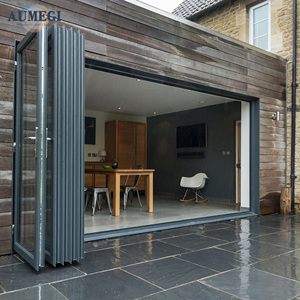
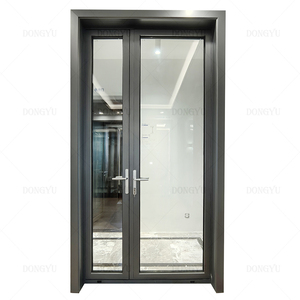
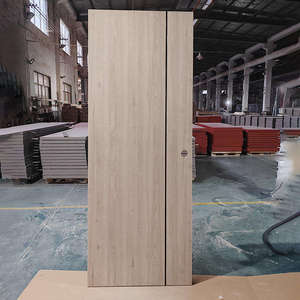
In modern architectural design, internal doors are required to balance structural fire-stopping capabilities with refined, minimalist aesthetics. Specifying an internal fire door assembly often required selecting bulky steel units or heavy solid-timber constructions that compromised sightlines, increased hinge wear, and imposed severe load stresses on non-load-bearing internal wall partitions. Guangdong Dejiyoupin Doors and Windows Co., Ltd. (DERCHI) engineers advanced multi-chamber architectural 6063-T5 and 6060-T6 aluminum alloys that resolve these historical constraints through advanced profile extrusion, insulated mineral breakaways, and intumescent containment matrices.
Aluminum exhibits a melting point around 660°C. For an aluminum-framed door leaf and surrounding perimeter frame to withstand positive furnace pressures exceeding 950°C to 1050°C under EN 1634-1, UL 10C, and BS 476-22 standards, mechanical reinforcement is required. DERCHI’s patented designs deploy high-density, fiber-reinforced silicate and vermiculite mineral slabs locked within interior extrusion chambers. When exposed to fire temperatures exceeding 180°C, custom-formulated sodium silicate or graphite-based intumescent gaskets expand up to 25 to 30 times their original profile thickness, hermetically sealing edge gaps against toxic gas migration, cold smoke penetration, and localized flaming.
Unlike standard non-rated architectural aluminum, DERCHI fire door extrusions utilize high-melting-point polyamide (PA66 GF25) thermal breaks combined with stainless steel internal stiffener channels. This composite barrier preserves structural perimeter squareness during differential heat exposure, preventing thermal deflection (warping) and maintaining positive latch engagement during the critical initial 60 minutes of high-temperature combustion.
Multi-stage intumescent seals expand reliably during thermal rises. Cold-smoke elastomeric gaskets operate during preliminary evacuation stages, switching to carbonized foam shields above 200°C to resist volatile toxicity.
Zero-formaldehyde non-combustible cores engineered from compressed aerated silicate and bio-soluble ceramic fibers limit thermal conductivity, achieving standard Class EI insulation and integrity thresholds.
Internal hinge nodes, surface door-closer mounting plates, and panic hardware receiver channels are fitted with 3mm to 5mm internal 304/316 stainless steel backing plates to prevent fastener pull-out during elevated heat cycles.
When selecting passive fire barrier doors for mixed-use commercial projects, high-density residential towers, or healthcare corridors, procurement teams must balance structural durability, corrosion resistance, acoustic transmission class (STC), and life-cycle capital outlay. The following data matrix compares our specialized aluminum alloy assemblies against conventional door specifications:
| Performance Metrics | DERCHI Architectural Aluminum | Standard Hollow Metal (Steel) | Solid Core Fire-Rated Timber |
|---|---|---|---|
| Structural Corrosion Resistance | Immune to Rot / Rust | Susceptible to Weld Seam Rusting | Prone to Moisture Swell & Rot |
| Assembly Net Weight | Moderate (28–34 kg/m²) | Heavy (45–60 kg/m²) | High (38–52 kg/m²) |
| Surface Finishes Available | Fluorocarbon (PVDF), Anodized, Woodgrain | Industrial Enamel, Powder Coat | Natural Veneer, HPL Laminate |
| Acoustic Isolation (STC Rating) | STC 38 – STC 42 dB | STC 30 – STC 35 dB | STC 32 – STC 36 dB |
| Dimensional Stability Over 10 Yrs | 100% Unaltered (No Warping) | Minor Sagging Risk | High Atmospheric Sensitivity |
| Recyclability & Embodied Value | 100% Circular / High Scrap Value | High Recyclability | Low Recyclability (Resin Cores) |
The global construction industry is moving toward strict regulatory compliance, sustainable building practices, and streamlined modular installations. General contractors, real estate developers, and international facade consultants are shifting procurement strategies for internal fire-rated closures based on four key operational trends:
Developers are moving away from knock-down frames assembled on-site by third-party installers. Modern specifications require factory-calibrated, pre-hung cassette systems where leaves, drop seals, and sub-frames are matched to sub-millimeter tolerances before shipping.
Fire separation is no longer evaluated in isolation. Project door schedules frequently specify Class EI30 or EI60 integrity coupled with STC 40+ acoustic barriers, antimicrobial powder coats for healthcare suites, and low air-leakage ratings to maintain pressurized HVAC balances.
Oversized architraves and heavy visible frame lines are being replaced by concealed aluminum jamb designs, fully hidden multi-axis fire hinges, and seamless flush panels finished in leather, architectural composites, or high-durability metallic textures.
Institutional procurement models require permanent product tracking. Leading systems incorporate embedded RFID verification tags or tamper-evident QR codes linked to mill test certificates, WH/UL inspection records, and authorized maintenance checklists.
Looking at future building safety standards, passive fire door manufacturing is incorporating material advances from aerospace extrusion metallurgy and nano-composite chemistry. Aluminum alloys, traditionally used for lightweight non-rated decorative framing, are becoming capable fire-containment systems through three major innovations:
First, the development of endothermic ceramic matrix core composites. These lightweight cores contain high volumes of chemically bound crystalline water. During an intense fire, these mineral matrices trigger an endothermic dehydration reaction, absorbing significant thermal energy and limiting the temperature rise on the unexposed door face. This allows slim 50mm to 65mm door leaf cross-sections to achieve 60-to-90 minute insulation (EI) ratings without bulky insulation panels.
Second, the integration of ultra-thin transparent intumescent glass technology within aluminum profiles. While fire doors previously relied on solid metal panels or small wire-glass vision panels, modern corporate headquarters and luxury hospitality developments prefer expansive glazed doors. Using multi-laminated clear glass interspersed with transparent intumescent interlayers, these assemblies provide optical clarity during regular use while forming an opaque, thermal-insulating heat shield when temperatures exceed 120°C.
Third, robotic manufacturing and automated sealing applications. The DERCHI facility utilizes precision CNC milling, laser cutting, and automated intumescent gasket insertion systems. This automated production removes human error during gasket fitting, hinge pocket reinforcement, and seal installation—ensuring our factory-produced doors perform reliably to lab-tested fire safety ratings.
Choosing an overseas manufacturing partner for critical life-safety systems requires verified manufacturing capacity, documented quality control systems, and international logistics support. As the parent enterprise behind the DERCHI brand, Guangdong Dejiyoupin Doors and Windows Co., Ltd. operates an integrated 180,000 m² industrial facility located in Foshan, Guangdong—the core of China's aluminum extrusion manufacturing hub.
Over 25 years of specialized engineering has built our reputation as a Top 10 Door & Window Brand in China, employing more than 600 skilled technicians, metallurgists, and structural engineers. Our factory holds an extensive portfolio of international testing credentials, including CE compliance, ISO9001 quality management systems, Australian AS2047, and Warnock Hersey (WH) / UL certifications for positive-pressure fire-rated door assemblies.
To support global supply chains, our team works with architects, general contractors, and developers across North America, South America, Australia, and the Middle East. Every project is assigned an English-speaking technical sales engineer who provides free preliminary CAD shop drawings, hardware scheduling coordination, and local building code cross-referencing. Every custom shipment is flat-packed or pre-hung in heavy-duty export crates engineered to withstand long ocean transits, ensuring assemblies arrive ready for immediate installation.
Essential technical, manufacturing, and international trade specifications for project managers, quantity surveyors, and structural engineers.
Download our comprehensive technical specification catalog, complete with section profiles, acoustic ratings, and laboratory test data.
Get Catalog