Engineered Aluminum Security Systems & Glazing Collections
Explore our precision-crafted aluminum entryways, acoustic thermal-break sliding barriers, and impact-resistant casements manufactured to rigorous international standards (CE, ISO9001, AS2047, and UL Fire Protection).
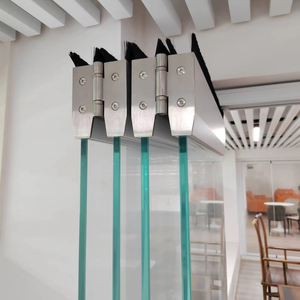
Exterior Synchronous Soft Close Glass 3m Sliding Door Frameless Folding Patio Profile
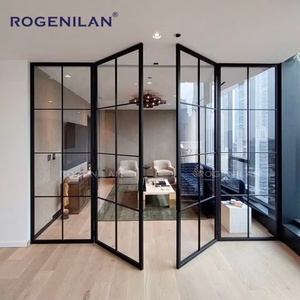
Residential Crittall Interior Partition Tempered Glass French Door Grilles Entry Casement
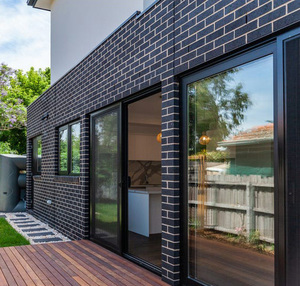
Australian AS2047 Double Glazed Sliding Stacking Doors 6063-T5 Screen Netting
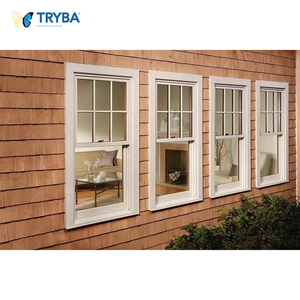
Premium Hurricane Proof Impact Resistant Double Hung Windows 36x48 Villa Safety
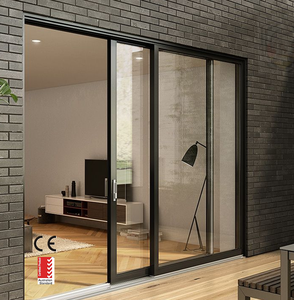
Residential Commercial Heavy Duty Thermal Break Aluminum Sliding Door Mosquito Net
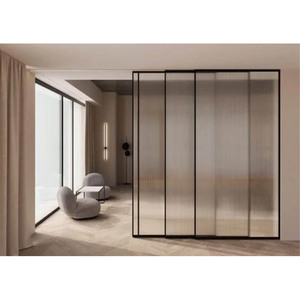
Hidden Track Sliding Door Modern Design Narrow Frame Door Type Glass Slim House
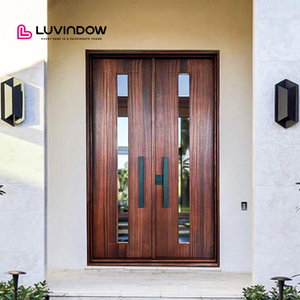
Luvindow Custom USA Villa Modern Exterior Solid Wood Pivot Aluminum Entry Doors
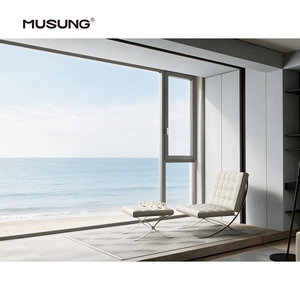
Residential Project Aluminum Thermal Break Low E Glass Casement Security Window
Guangdong Dejiyoupin (DERCHI): Engineered for Global Standards
Operating from China's primary metal manufacturing hub in Foshan, Guangdong, our 180,000㎡ industrial complex merges advanced German CNC tooling with stringent quality controls, ensuring seamless export execution across North America, Europe, Australia, and South America.
Turnkey Architectural OEM/ODM
We provide full-scope customization starting from CAD shop drafting, 3D structural simulations, and extrusion die tooling to finished anodized or fluorocarbon-coated security assemblies matching your structural schedules.
Verified Anti-Intrusion Testing
Certified against international forced-entry standards including European RC2/RC3 (EN 1627) and North American ASTM impact standards. Features integrated multi-bolt deadlocks, anti-drill armor plates, and anti-pry jamb configurations.
Full Ocean Container Consolidation
Streamline logistics and mitigate customs clearance overhead by consolidating cast aluminum main gates, minimalist pivot doors, fire-rated utility entrances, and thermal-break patio systems into single unified project shipments.
Engineering Specifications: The Metallurgy of Structural Aluminum Security Doors
In high-end architectural security, door systems are evaluated not merely as static aesthetic dividers, but as engineered structural barriers subjected to dynamic wind shears, violent forced intrusions, coastal saline oxidation, and persistent thermal cycles. As an OEM manufacturer and exporter, Guangdong Dejiyoupin (DERCHI) utilizes primary billet 6063-T5 and 6063-T6 aluminum alloys characterized by high tensile yield strengths (≥ 160 MPa) and superior fracture toughness compared to remelted scrap alloys commonly found in low-tier manufacturing.
A resilient architectural aluminum security barrier relies on precise multi-chamber profile geometries. Extrusion walls are engineered to a minimum commercial thickness of 2.0mm to 3.5mm at load-bearing hinge knuckles and strike jambs. In thermal-break configurations, internal and external aluminum extrusions are structurally coupled using high-performance fiberglass-reinforced polyamide strips (Technoform PA66 GF25), providing both a complete barrier against thermal conductivity and enhanced shear resistance under sustained wind load pressures exceeding 3000 Pa (AS2047 N6 rating).
| Performance Parameter | DERCHI Industrial Standard | Standard Commercial Grade | Structural Impact & Benefit |
|---|---|---|---|
| Alloy Metallurgy | Primary 6063-T6 / 6061-T6 Extrusion | Secondary Recycled 6063 Billets | Zero structural porosity; superior load resilience |
| Profile Wall Thickness | 2.0mm – 3.5mm Reinforced Cavities | 1.2mm – 1.4mm Non-structural | Resists prying, crowbar distortion, and shear failure |
| Surface Protection | PVDF Fluorocarbon (AAMA 2605 / Qualicoat III) | Standard Electrostatic Powder Coating | 30+ year resistance to chalking, UV fade, and salt spray |
| Locking Hardware | Multi-Point Hook Bolts + Anti-Drill Cylinders | Single Deadbolt Mechanisms | Certified EN 1627 RC2/RC3 and PAS 24 burglary resistance |
| Thermal Efficiency | Polyamide PA66 GF25 Strips (Uw ≤ 1.4 W/m²·K) | Uninsulated Hollow Profile (Uw ≥ 4.8) | Drastic HVAC operational cost reduction; zero interior condensation |
Surface longevity is critical in coastal and tropical regions. DERCHI finishes include marine-grade powder coatings and multi-layer fluorocarbon PVDF systems (compliant with AAMA 2605 standards) capable of exceeding 4,000 hours of continuous neutral salt-spray testing without blistering or peeling. For environments vulnerable to hurricanes, typhoon-driven debris, or seismic oscillations, our laminated safety glass integrations incorporate multi-layer SentryGlas (SG) or heavy-mil PVB interlayers bonded directly to the aluminum sash rebate using structural silicone glazing (SSG), creating a composite monolith that remains impenetrable even when shattered.
Global Procurement Trends in High-Performance Aluminum Security Doors
Procurement directors, general contractors, and facade engineers are moving rapidly away from generic catalog purchasing toward fully traceable, performative specification sourcing. Our ongoing supply chain data across South America, the Middle East, and North America highlights several distinct purchasing shifts:
- Consolidation of Thermal Efficiency with Heavy Anti-Intrusion (The Dual-Mandate): Historically, thick steel security doors offered strength at the expense of high thermal bridging, while residential aluminum patio doors offered thermal performance with weak security. Contemporary architectural mandates demand unified systems: ultra-thick thermal break aluminum profiles integrating concealed steel reinforcement armors that achieve both Passivhaus-level U-values and RC3 anti-burglary ratings.
- Invisible Track & Minimalist Zero-Sill Integration: Luxury villa and hospitality projects increasingly mandate zero-threshold floor transitions where bottom rolling tracks are recessed entirely flush with finished interior and exterior stone tiling. Specifiers are procuring synchronous soft-close sliding panels with narrow interlocking stiles (down to 16mm-25mm) that conceal concealed multi-point locking pins within structural mullions.
- Integrated Biometric & Smart Building Infrastructure: Modern security entrances now require pre-machined internal wire raceways, electromagnetic concealed pivot hinges, and built-in interfaces for 3D facial recognition, biometric finger-vein sensors, and Building Management System (BMS) dry-contact automation. Overseas specifiers expect factories to deliver pre-wired, plug-and-play smart access hardware pre-installed to prevent on-site carpentry damage.
- Direct-from-Manufacturer Full Envelope Sourcing: Rather than issuing disjointed purchase orders for main entry doors, patio sliders, interior acoustic Crittall doors, and garage access gates to different vendors, commercial developers are partnering directly with integrated OEM manufacturers like DERCHI. This procurement strategy cuts shipping overhead by consolidating products into single containers, eliminates color mismatch across profile batches, and guarantees single-source warranty accountability.
Development Trends: The Next Generation of Aluminum Security Fenestration
The architectural fenestration sector is experiencing an unprecedented convergence of mechanical engineering and smart technologies. Looking toward 2030 and beyond, several structural paradigms are redefining how security doors are engineered and deployed:
1. Oversized Structural Pivot Architectures: High-end residential entrance design is prioritizing monumentality. Main entrance openings regularly exceed heights of 4 to 6 meters and widths of 2 to 3 meters. Engineering such massive panels in traditional wood or steel causes excessive sag, operational jamming, and warping over time. Advanced aluminum engineering leverages extruded aircraft-grade internal subframes with balanced hydraulic self-closing pivot pivots rated to 800+ kilograms, providing feather-light fingertip operation despite massive physical mass.
2. Composite Material Hybrids (Cast Aluminum Relief Panels): Cast aluminum entry doors are replacing traditional wrought iron and carved solid timber. By pour-casting 10mm to 15mm thick solid aluminum panels with custom geometric, textured, or neoclassical 3D relief patterns, manufacturers produce entrance doors that provide the visual richness of hand-carved wood and the permanence of armor plate, without the rotting, swelling, or seasonal repainting associated with timber doors in humid coastal climates.
3. Advanced Acoustic Decoupling for Urban Sanctuaries: With increasing urbanization, sound pollution has become an urgent health concern in luxury high-density residential developments. Next-generation security assemblies integrate multi-chambered EPDM automotive-grade hollow bulb perimeter gaskets, acoustically asymmetrical laminated glass (e.g., 6mm + 0.76mm acoustic PVB + 8mm), and sound-dampening core fills inside the door stiles, achieving verified sound transmission class ratings (STC) over 42 dB.
Frequently Asked Questions for B2B Importers & Contractors
Direct technical and commercial answers addressing production capabilities, material validation, compliance documentation, shipping logistics, and OEM workflows.