Engineered Aluminum & Glass Architectural Door Systems
High-performance fenestration solutions tested for maximum cyclic fatigue, acoustic reduction, weatherproofing, and airtight structural resilience.
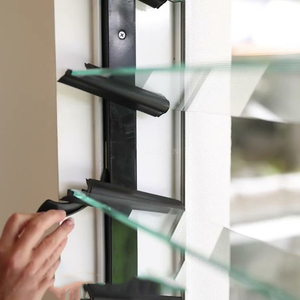
Australian Standard Automated Aluminium Glass Louver Windows
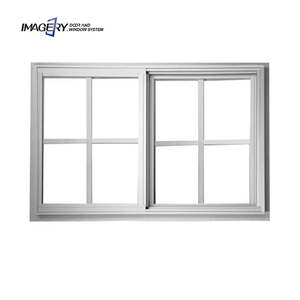
Removable Two Track Double Glazed Aluminum Kitchen Sliding Window
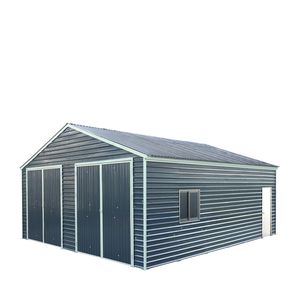
26' X 30' Waterproof Aluminium Garage Shed Double Front Doors
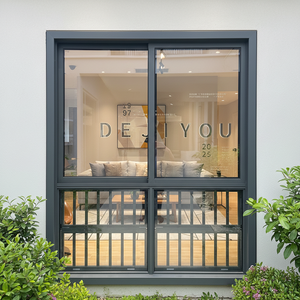
DERCHI Vertical Sliding Aluminum Window Double Glazed Window
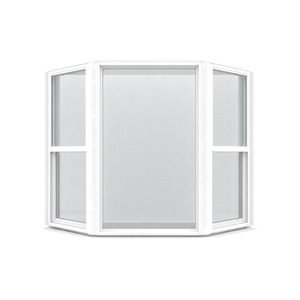
Octagonal Aluminum Bay Window Custom Polygon Alloy Frame
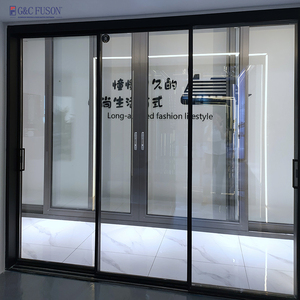
Wholesale High Quality Aluminium Narrow Frame Sliding Door Solution
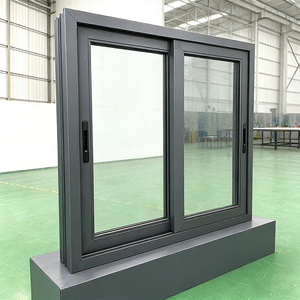
Modern Thermal Break Commercial Aluminium Glass Sliding Windows
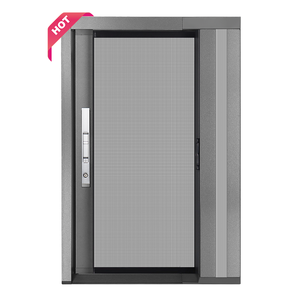
RS 88 Aluminum Windows Door Mosquito Screen Barrier Doors
Comprehensive Guide: Precision Engineering of Custom Aluminum Glass Swing Doors
In modern architectural and structural engineering, custom OEM aluminum glass swing doors serve as primary barriers reconciling architectural transparency, continuous cycle fatigue durability, and strict climate envelope integrity. As building codes worldwide transition toward near-zero energy building (NZEB) standards, the mechanical expectations placed upon swing assemblies extend far beyond visual framing.
Custom OEM manufacturers must account for dynamic wind load pressures, cyclic expansion differentials between tempered glass and structural alloy profiles, as well as complex hardware load distributions. At Guangdong Dejiyoupin Doors and Windows Co., Ltd. (DERCHI), swing doors are engineered utilizing high-tensile 6063-T5 and 6063-T6 extruded aluminum profiles. The integrated structural designs feature reinforced multi-chamber hollow profiles that isolate acoustic oscillations and block conductive thermal bridges via precision-calibrated continuous polyamide (PA66 GF25) insulation barriers.
Structural Integrity & Material Composition Analysis
Industrial performance in coastal, humid, or high-velocity wind zones requires careful metallurgical and hardware integration. The load-bearing capacity of an oversized aluminum swing door leaf (often exceeding 250 kg per panel) depends on heavy-duty 304 or 316 stainless steel 3D-adjustable hinges, continuous multi-point perimeter compression seals, and precision-mitered corners locked with mechanical corner cleats and structural epoxy injection.
Architectural Utility Across High-Spec Environments
Whether implemented in high-end coastal villas across South America (Brazil, Chile, Peru, Colombia), luxury hospitality entrances, or high-traffic corporate developments, our custom aluminum glass swing doors are designed to eliminate common fenestration failures. Untreated systems regularly suffer corner joint sagging, gasket contraction, frame deflection under negative wind suction, and acoustic degradation. DERCHI's industrial OEM and ODM fabrication incorporates structural silicone glazing (SSG), multi-tier EPDM vulcanized sealing gaskets, and certified laminated safety glass to achieve superior sound-transmission class (STC) ratings alongside robust water tightness (up to 600 Pa) and ultimate design pressure compliance.
Multi-Point Locking Safety
Heavy-duty shoot bolts and deadbolts distributed across top, lateral, and threshold interfaces counter forced entry and prevent leaf warping under thermal load differentials.
Multi-Cavity Thermal Breaks
Glass-fiber reinforced polyamide strips isolate ambient thermal radiation, reducing overall U-values down to below 1.4 W/m²K depending on the selected insulated glass units (IGU).
100,000+ Cycle Testing
Hinges and operating accessories are tested for sustained cycle wear, ensuring smooth, friction-free operation without vertical door panel drop over decades of service.
Future Sourcing Trends in Architectural Swing Door Systems
Procurement directors, general contractors, and facade consultants are adjusting their sourcing methodologies to manage increasingly complex architectural challenges. Analysis of major international building tenders highlights four primary structural and procurement shifts:
Ultra-Narrow Sightlines
Architects demand maximized daylight penetration. Manufacturers must employ high-moment-of-inertia aluminum profiles capable of housing thick triple-laminated glass without widening perimeter stiles.
Integrated Building Automation
Motorized concealed swing drive units, biometric recognition interfaces, and magnetic sensor contacts integrated directly into the thermal chamber without compromising air tightness.
Environmental Product Declarations
B2B importers require low-carbon circularity. Sourcing teams prioritize extruded profiles manufactured with verified recycled billet ratios alongside non-toxic Qualicoat powder coatings.
Single-Source Consolidations
Supply-chain risks incentivize consolidating entry doors, high-span sliding systems, curtain walls, and interior fenestration under one accountable factory with multi-container consolidation.
Technological & Engineering Evolutions in Aluminum Swing Doors
The technical transition of the aluminum glass swing door from a rudimentary secondary passage to a primary architectural statement has been propelled by advancements across four distinct disciplines: structural chemistry, metallurgical processing, glass technology, and automation hardware.
Historically, aluminum swing doors were susceptible to significant thermal conduction, high sound penetration, and rapid surface finish oxidation in marine atmospheres. Today, the implementation of multi-cavity polyamide bar extrusion creates structural barriers capable of resisting high delta-T values (such as sub-zero Andean conditions or tropical Gulf heat). Furthermore, the application of Qualicoat Class 2 and Class 3 fluorocarbon (PVDF) electrostatic coatings protects aluminum surfaces against 3,000+ hours of continuous salt-spray testing, ensuring surface stability across high-salinity coastal areas including Rio de Janeiro, Callao, and Buenaventura.
Concurrently, advances in glass chemistry—including warm-edge composite spacers, argon/krypton gas fills, and triple-silver soft Low-E coatings—have elevated aluminum glass doors into critical components of passive building thermal envelopes. Combined with heavy-duty hidden multi-link pivot hinges and motorized electromagnetic perimeter drop-seals, modern swing doors seal completely against air, dust, and wind-driven water ingress upon closing.
Why Major Importers & Contractors Choose DERCHI
Decades of manufacturing scale, verifiable engineering data, and integrated export processes.
180,000㎡ Production Base
Headquartered in Foshan, China's aluminum manufacturing hub, our integrated facilities house continuous precision extrusion, CNC multi-axis milling, automated glazing, and QA testing lines.
Free CAD & Shop Drawings
Every commercial or residential project receives complimentary engineering CAD shop drawings detailing lintel attachments, expansion gaps, sill pan drainage, and wind-load calculations before tooling.
Complete Project Consolidation
Source aluminum swing doors, sliding fenestrations, cast aluminum security entry doors, and automated garage systems from a single factory, packed in steel-reinforced export crates.
Frequently Asked Questions for B2B Importers & Contractors
Technical guidance on engineering standards, export packaging, compliance, and custom dimensions.
What international testing standards and certifications do DERCHI aluminum swing doors hold?
How does the factory prevent frame deflection and corner joint separation on oversized swing panels?
What thermal barrier and glass options are available for projects in high-temperature or freezing climates?
What surface treatment technologies protect aluminum swing doors against coastal salt-spray degradation?
What is the OEM manufacturing process and lead time from drawing sign-off to container loading?
Can you facilitate door consolidation with other facade systems into mixed project containers?
Ready to Engineer Your Custom Aluminum Fenestration Package?
Connect with our senior facade engineering desk for verified shop drawings, structural calculations, and factory-direct export proposals within 24 hours.
Contact Us