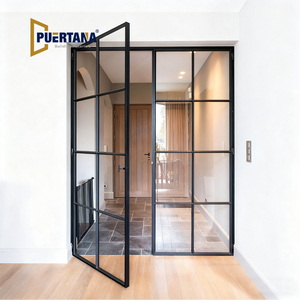
Interior French
Modern Indoor Aluminium French Casement Swing Glass Door Internal Glass Walls Divider Interior Metal Framed French Doors
Direct-from-factory architectural fenestration solutions. Precision-engineered in our 180,000㎡ fabrication facility, every unit integrates certified 6063-T6 or 6061-T6 structural alloy framing with premium matte black thermal-barrier finishes.
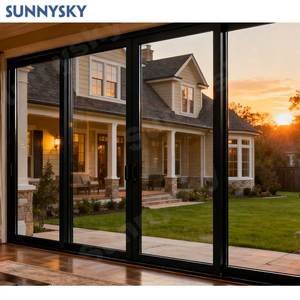
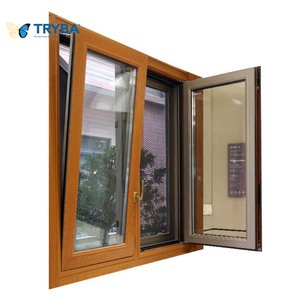
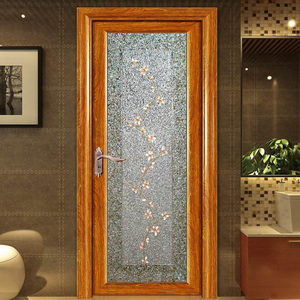
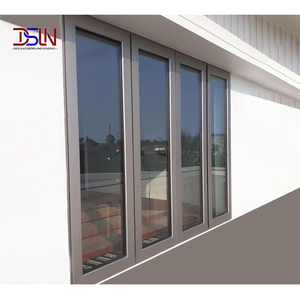
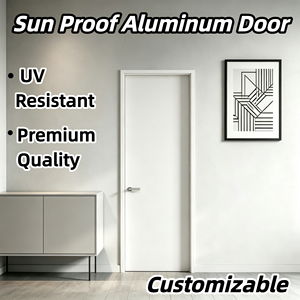
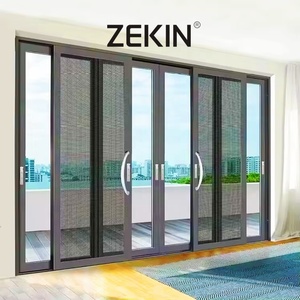
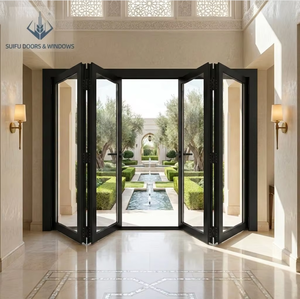
Headquartered in Foshan, Guangdong—the epicentre of precision aluminium metallurgy—Guangdong Dejiyoupin Doors and Windows Co., Ltd. (DERCHI) represents over 25 years of advanced structural extrusion, powder engineering, and global logistics execution.
Operated across dedicated intelligent workshops housing multi-axis CNC machining centers, automated powder-coating lines, and strict tolerance assembly cells.
Full engineering validation backing export shipments. Certified to meet rigorous international standards for structural deflection, thermal loss, and cyclonic weather.
Specialized matte black and fine-textured anodized surface engineering guaranteeing 25+ years of UV colorfastness under harsh equatorial and coastal sun.
Comprehensive shop-drawing delivery, bespoke extrusions, integrated hardware sourcing, and specialized seaworthy crating for seamless customs clearance.
Black door systems demand stringent metallurgical control. Solar absorption can raise surface temperatures up to 80°C, causing bi-metallic bowing, seal breakdown, and hardware binding in sub-par profiles.
| Performance Dimension | Generic Market Standard | DERCHI OEM Architectural Standard | Project Value & Longevity Impact |
|---|---|---|---|
| Aluminium Substrate Alloy | Recycled scrap mix, 6063-T5 with variable wall thickness (<1.4mm) | Virgin 6063-T6 or 6061-T6 (2.0mm - 3.5mm structural profile walls) | Zero deflection under heavy structural loads, supporting oversized pivot and multi-stack leaves without racking. |
| Thermal Barrier Technology | Poured PVC or non-reinforced polyamide (14.8mm), low shear resistance | Polyamide PA66 GF25 (24mm - 34mm) with glass-fiber anti-bowing inserts | Prevents differential expansion bowing on black profiles exposed to direct solar baking; achieves U-values < 1.4 W/m²K. |
| Black Surface Treatment | Standard industrial polyester powder; degrades within 36 months of UV exposure | Qualicoat Class 2 Super-Durable Powder / AkzoNobel Interpon D2525 / Fluorocarbon PVDF | Guarantees 25-year color retention, chalk resistance, and zero micro-cracking in coastal and tropical high-UV zones. |
| Corner Joint Assembly | Single mechanical screw-fastened crimp; prone to water seepage and sagging | Heavy cast aluminium cleats with pneumatic two-component resin injection sealing | Hermetic air-tightness, 100% water intrusion resistance under high wind pressure, and life-long diagonal rigidity. |
| Weather Sealing System | Low-grade PVC or generic rubber gaskets; prone to dry rot and shrinkage | Automotive-grade continuous co-extruded EPDM foam gaskets with vulcanized corners | Maintains acoustic barrier (up to 42 dB sound attenuation) and wind load ratings exceeding 4500 Pa (AS2047 N6). |
Because black pigments (RAL 9005 Jet Black, RAL 7021 Black Grey, and Anthracite finishes) exhibit high solar absorptance (α ≥ 0.90), exterior-facing flanges heat rapidly while climate-controlled interior surfaces remain cool. In non-engineered profiles, this Delta-T causes thermal deflection ("bi-metal effect"), jamming locks and compromising acoustic integrity.
DERCHI solves this engineering challenge by implementing slotted, slip-free PA66 GF25 thermal breaks and sliding insulating cleats that allow independent micro-expansion of exterior walls without warping the door sash or structural pivots.
Request Technical Profile CADs
Critical industry shifts guiding international architects, real estate developers, and fenestration importers over the 2026–2030 cycle.
Architectural demand has decisively moved away from heavy, bulky frames toward ultra-narrow mullions (interlocking stiles down to 20mm). Minimalist matte black frames create framed panoramic glass vistas while maintaining dynamic wind resistance via concealed interior steel stiffeners.
Driven by strict building energy codes (ASHRAE 90.1, EU EPBD, and Australian NCC), black aluminium systems are shifting to triple-glazed warm-edge configurations (Argon fill, double Low-E) achieving overall Uw values lower than 0.8 W/m²K for net-zero carbon residential towers.
OEM pivot and entry doors are increasingly procured with factory-integrated multi-point motorized locking, hidden door sweeps, 3D biometric fingerprint scanners, facial recognition cameras, and smart-home BACnet/KNX integration concealed within the black thermal extrusions.
Gloss finishes have been completely superseded by fine-textured matte coatings (gloss levels < 5%). These specialized black textures hide construction site dust, resist handling fingerprints, and mitigate visible surface scratches during multi-phase building handovers.
Modern luxury villas prioritize oversized main entrance statements reaching heights of 4 to 6 meters and widths up to 2.5 meters. Manufacturing these massive black panels requires structural honeycomb composite cores and hydraulic pivot bearings rated for 500kg+ loads.
Commercial developers mitigate financial exposure by eliminating multi-supplier fragmentation. Importers combine exterior black entry doors, interior French partitions, sliding terrace walls, and facade tilt-turn systems in single FCL shipments from one audited OEM producer.
Detailed technical insights addressing engineering specifications, quality verifications, coatings, and international container shipments.
Black finishes absorb up to 90% of solar radiation. We neutralize bi-metallic expansion by employing engineered PA66 GF25 thermal break strips with longitudinal expansion cuts and multi-point sliding cleats. This design decouples the exterior heated extrusion from the interior profile, ensuring zero door sash bowing, latch binding, or gasket degradation in equatorial and desert environments.
We apply genuine AkzoNobel, Tiger, or PPG architectural powders applied in compliance with Qualicoat Class 2 / AAMA 2604 or 2605 specifications. Our automated 7-stage pre-treatment wash and electrostatic curing line achieve a minimum coating thickness of 60–80 microns, proven by 3,000-hour continuous salt-spray tests and QUV accelerated weathering tests to guarantee against chalking, fading, or peeling.
Yes. Our in-house engineering team provides full shop-drawing submittals (CAD DWG and Revit BIM formats) matching your door schedules. We fabricate custom extrusions, prepare high-precision CNC lock pockets for North American mortise locks, European Euro-Groove multipoint systems, or smart biometric hardware, and issue static structural calculations prior to production sign-off.
All units are glazed with certified tempered or laminated safety glass meeting EN 12150, AS/NZS 2208, and ANSI Z97.1. We offer double or triple insulating glass units (IGU) featuring warm-edge spacers, Argon gas fills, acoustic PVB/SentryGlas interlayers, and Low-E solar control pyrolytic coatings tailored to project-specific SHGC (Solar Heat Gain Coefficient) and U-factor mandates.
High-end matte black surfaces require rigorous transit protection. Every door component undergoes 5-layer packaging: peelable protective surface film, full polyethylene foam wrapping, heavy-duty rigid corner edge protectors, waterproof plastic stretch sheeting, and fully enclosed IPPC-certified fumigated plywood crates reinforced with internal steel banding to eliminate freight friction abrasion.
Standard OEM project orders have an average lead time of 25 to 35 business days from final CAD drawing sign-off and color-sample approval. For customized structural dies, extrusion tooling requires approximately 10 to 14 days. Minimum order quantities are flexible depending on project scope, accommodating custom luxury residential villas (single home packages) up to multi-container commercial hotel developments.