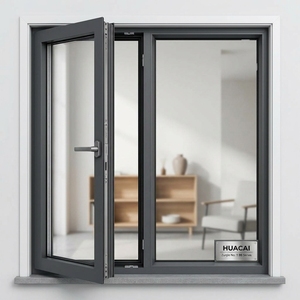
Engineered Assemblies
Featured Commercial & Architectural Systems
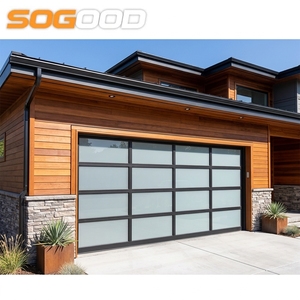
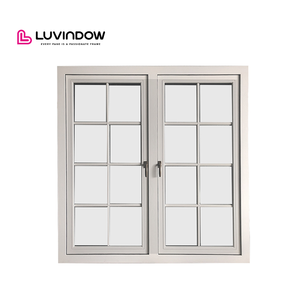
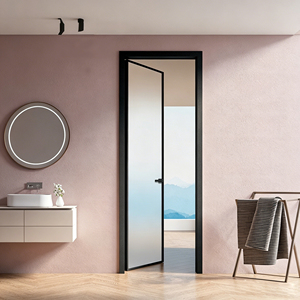
Precision-milled composite configurations combining structural high-tensile 6063-T6 aluminum extrusions with high-density thermosetting phenolic (Bakelite) cores.
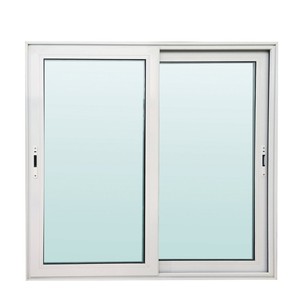
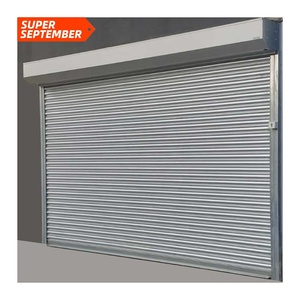
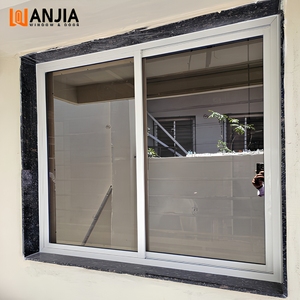
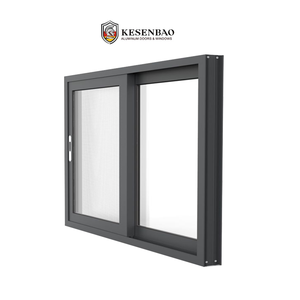
25+
Years Engineering Expertise
180,000㎡
Foshan Mega Production Base
600+
Production Technicians & QC
100+
Global Patents & Certifications
Technical Evaluation
Material Synergy: Phenolic Polymer (Bakelite) with 6063-T6 Extrusion
Why Tier-1 developers and institutional procurement officers are shifting from solid wood and PVC-infilled hollow frames to synthetic composite fenestration.
Dimensional Inertia & Hygroscopic Stabilities
Bakelite (polyoxybenzylmethylenglycolanhydride) represents an extraordinarily dense thermosetting polymer. Unlike WPC, PVC, or cross-laminated timber, bakelite sheets exhibit a water absorption coefficient below 0.02%.
When encapsulated within precision-milled aluminum framework, the composite panel does not swell under 99% RH conditions or delaminate under scorching desert exposure (+60°C dry air).
- ASTM D570 Zero-Swelling Verification
- Thermal linear expansion coefficient: 2.2 × 10⁻⁵ /K
- Eliminates perimeter jamb binding during wet seasons
Thermosetting Class-A Fire Performance
Standard architectural cores rely on polyurethane or polystyrene foams that release toxic cyanide volatiles during combustion. Bakelite is inherently carbonizing; exposed to direct flame, it forms a protective vitrified carbon layer rather than melting.
Complies with international UL94 V-0, EN 13501-1 Class B-s1,d0, and ASTM E84 flame spread benchmarks without requiring toxic halogenated flame retardants.
- Non-dripping pyrolysis char mechanism
- Thermal breakdown threshold: >320°C
- Tested for fire-break corridor installations
Acoustic Dampening & Severe Impact
Hollow aluminum doors create resonance chambers that amplify low-frequency ambient rumble. High molecular-density Bakelite layers interrupt soundwave harmonics, delivering verified Rw 38-42 dB acoustic attenuation.
Simultaneously, the high flexural yield strength (>120 MPa) provides formidable resistance to forced mechanical intrusion and high-wind ballistic impact zones.
- Dynamic resonance cancellation core
- High Shore D Hardness: 88-92
- Vandal-proof and forced-entry resistant
Strategic Intelligence
Future Sourcing & Procurement Trajectories (2025–2030)
Data-driven forecasting for cross-border architectural buyers, developers, and commercial contractors.
Direct-From-Extruder Consolidations & Carbon Border Adjustments (CBAM)
Global supply chains are migrating away from fragmented multi-tier trading brokers. Importers are establishing direct integrations with vertically-integrated manufacturing facilities that house primary billet casting, extrusion dies, automated anodizing, Bakelite compression lines, and assembly.
Under tightening EU CBAM and North American LEED zero-carbon mandates, single-origin Foshan facilities employing low-carbon circular aluminum scrap and zero-VOC waterborne coatings are capturing prime market share over uncertified suppliers.
Engineering-Led Parametric CAD/BIM Integration Pre-Manufacture
The traditional method of standard shop fabrication followed by aggressive on-site framing adaptations is obsolete due to high jobsite labor costs across South America, Australia, and North America. Modern procurement contracts demand comprehensive 3D shop models with tolerance thresholds below ±0.5mm.
Automated CNC pre-mortising for European multi-point escutcheons, hidden concealed pivots, and motorized biometric interlocks are now mandatory specifications before ocean crating.
Guangdong Dejiyoupin Co., Ltd. (DERCHI)
Industrial Capacity & OEM Scalability
World-class door manufacturing from Foshan's premier industrial park to your regional debarkation port.
180,000㎡ Mega Production Base
Our centralized facility in Shenke Chuangzhi Park, Foshan features automated German CNC tooling, dust-free continuous fluorocarbon (PVDF) electrostatic coating chambers, and heavy-tonnage hydraulic composite hot presses. Over 600 skilled technicians maintain steady delivery cadences across parallel project schedules.
Stringent International Testing Certifications
Our manufacturing pipeline operates strictly beneath ISO9001 and ISO14001 systems. Finished profiles hold CE, Australian AS2047 (tested at top-tier N6 rating for wind, water penetration, and air infiltration), UL fire listings, and RoHS compliance certificates. Full structural engineering documentation provided upon requisition.
Deep Export Logistics Logistics (South America & Global)
Specialized export logistics engineered for long ocean routes. Solid fumigated timber crates with moisture-vapor poly barrier wrappings protect goods from salty holds and tropical humidity through Santos, Callao, San Antonio, Buenaventura, Guayaquil, and Buenos Aires ports. Custom clearing documents configured to national broker specifications.
Procurement Due Diligence
Frequently Asked Questions
Direct answers to high-intent engineering, compliance, and ordering inquiries.
What specific advantages does Bakelite composite offer over standard WPC or Aluminum-Honeycomb doors? +
Bakelite provides a dense, solid, thermoset resin substrate that neither absorbs moisture nor harbors internal voids. Honeycomb cores are vulnerable to internal condensation buildup in humid climates, while WPC (Wood-Plastic Composite) softens under intense heat and exhibits severe thermal creep. Bakelite preserves planar flatness, deadens acoustic transmission, and accepts structural screw threading directly into the core for exceptionally secure hardware mounting.
How does the OEM process handle bespoke opening dimensions and architectural hardware integration? +
Every custom OEM batch begins with client-approved parametric CAD drawings. We mill the aluminum-bakelite components on multi-axis CNC machines calibrated directly to your designated locking schedule (e.g., European cylinder, multi-point mortise, smart biometric escutcheon, or heavy-duty overhead concealed pivots). We ensure 100% plug-and-play fitment on the job site without requiring manual jobsite reaming.
What surface coating technologies are applied to the aluminum frame profiles? +
Depending on your jobsite environmental index, we apply either AkzoNobel architectural powder coating (complying with AAMA 2604/2605), high-durability anodizing (up to 25 microns for marine environments), or multi-coat fluorocarbon PVDF. These treatments undergo rigorous 3,000-hour neutral salt-spray (ASTM B117) and intense UV tests to eliminate peeling, chalking, or fading.
What are the typical lead times and minimum order quantities (MOQ) for custom container orders? +
For standard OEM profiles, lead time is 25–35 calendar days following CAD shop drawing confirmation and initial deposit. Our flexible manufacturing allows small sample-batch trial quantities for mock-up projects, as well as multi-container allocations for commercial high-rises or luxury villa communities. Consolidation services allow shipping entry doors, garage overhead systems, and fenestration products in unified containers.
What international test certifications accompany export orders? +
Orders can be furnished with CE documentation, ISO9001 factory verification, Australian AS2047 structural impact reports, and UL safety certificates. Comprehensive structural wind load calculations and heat-transfer (U-value) data sheets can be provided to support your local engineering permit submissions (e.g., ABNT NBR, NCh, or IBC standards).
Initiate Your Engineering Blueprint & Specification Quote
Connect with our technical export engineers in Foshan. Send your door schedule, project wind-load specifications, or structural drawings for a free engineering analysis and factory-direct OEM estimate within 24 hours.
Get a Quote