Procurement Guide
B2B Procurement & Sourcing FAQ
Direct engineering answers addressing quality assurance, packaging, shipping logistics, and custom extrusion tooling for international commercial buyers.
What are the key technical differences between regular aluminum windows and aluminum wrapping windows?
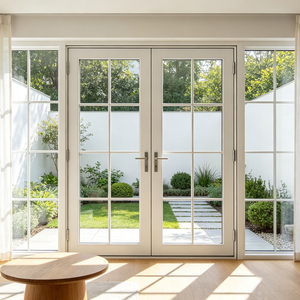
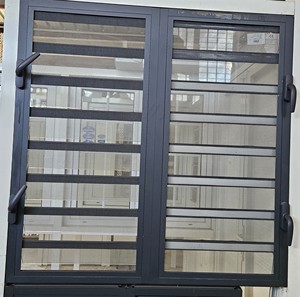
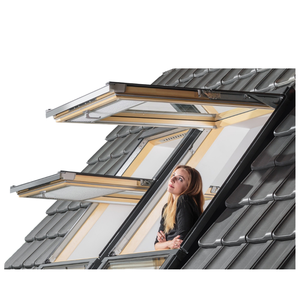
Regular aluminum windows consist of structural hollow aluminum extrusions where both the interior and exterior faces are bare metal (even if thermally broken with polyamide strips). In contrast, aluminum wrapping (alu-clad) windows utilize an organic structural interior core (such as multi-laminated European oak, solid pine, or specialized composite cavities) that is externally encapsulated with an independent aluminum alloy shell. This construction delivers the authentic warmth, acoustic damping, and high condensation resistance of timber on the interior, combined with the extreme weatherability, zero-maintenance, and UV resistance of powder-coated architectural aluminum on the exterior.
How does your Foshan factory handle differential thermal expansion between aluminum and internal cores?
We never rigid-fasten or glue the exterior aluminum cladding directly onto interior wood or composite cores. Instead, DERCHI employs high-grade nylon composite sliding clips engineered with floating sliding tolerances. These clips snap onto factory-milled grooves along the core, allowing the exterior aluminum wrapping to freely expand and contract longitudinally under extreme temperature fluctuations (−30°C in winter to +50°C in summer) without transmitting mechanical shear stress, preventing frame bow, glass seal rupture, or interior timber warping.
What are your minimum order quantities (MOQ) and lead times for bespoke architectural window schedules?
For standard profile systems and stock RAL finishes (e.g., Matte Black RAL 9005, Anthracite Grey RAL 7016, Architectural Bronze), our flexible MOQ starts at 50 square meters (ideal for bespoke villa projects). For custom aluminum extrusion die creation or specialized fluorocarbon metallic finishes, the standard batch MOQ is 300 to 500 square meters. Standard production lead times run between 25 and 35 working days following final approval of CAD shop drawings and glass test samples.
Which international certifications and building codes do your fenestration assemblies conform to?
DERCHI products are engineered for export compliance worldwide. Our systems hold verified CE marks (under EN 14351-1), ISO 9001:2015 quality management registration, and have passed Australian AS2047 & AS1288 physical testing up to N6 cyclonic wind pressures. For North American projects, we supply glazing verified to IGCC/SGCC safety glass standards and provide full structural calculation packages complying with AAMA/WDMA/CSA 101/I.S.2/A440 benchmarks.
What ocean freight packaging standards are utilized to prevent glass breakage and profile oxidation?
Export shipping involves rigorous protective packaging. Each window frame is wrapped with a 50-micron PE electrostatic protective film, corners are shielded with heavy-density molded corner caps, and the entire assembly is sealed in bubble wrap with desiccant packets to prevent maritime humidity sweating. Finally, units are packed into heavy-duty, fully enclosed fumigated plywood crates (ISPM-15 compliant) featuring interior rubber vibration dampening strips, ready for fork-truck transshipment at destination container freight stations (CFS).
Can DERCHI supply complete BIM/Revit libraries and engineering shop drawings before order sign-off?
Yes. Our in-house engineering team (comprising 30+ dedicated facade technicians and structural engineers) provides complete submittal packages free of charge. This includes 1:1 CAD shop drawings with precise anchorage and perimeter caulking details, structural wind load calculations (deflection limit L/175 or L/250), thermal simulation isotherm reports (THERM/WINDOW), and custom BIM families ready for integration into the main project model.
How do you guarantee color retention and anti-corrosion along severe coastal shorelines?
For coastal installations located within 1 km of saltwater (such as projects in Miami, Dubai, Sydney, Rio de Janeiro, or Valparaíso), we specify AkzoNobel Interpon D3000 super-durable powder or PPG Duranar 70% Kynar 500 PVDF coatings. These finishes exceed AAMA 2605 requirements, resisting over 4,000 hours of continuous salt spray and 10 years of accelerated South Florida UV exposure with minimal gloss shift or color fading (ΔE < 5).
Can I consolidate doors, windows, and curtain walls in a single shipment from your factory?
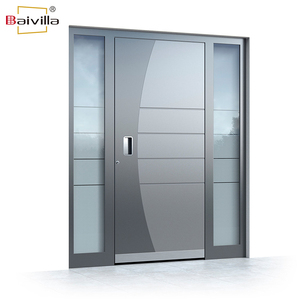
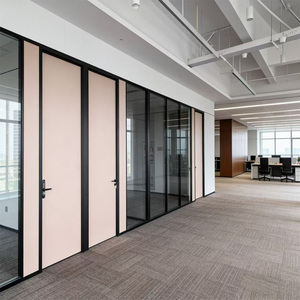
Yes, this is one of our key competitive advantages. As a 180,000㎡ vertically integrated manufacturer, we fabricate custom aluminum wrapping windows, monumental architectural pivot doors, high-security cast aluminum front gates, interior partition systems, and automatic garage doors within the same plant. We engineer custom container loading plans to pack all openings for an entire commercial or residential development into 40ft HQ shipping containers, significantly reducing import tariffs and broker costs.