180,000㎡
Foshan Manufacturing Base
25+ Years
Extrusion & Glazing R&D
AS2047 & CE
Certified Performance
100+ Patents
Proprietary Door/Window Tech
Featured Export Catalog
Engineered Aluminum Jali, Jalousie & Louver Configurations
Our aluminum jali (grille/lattice) and jalousie louver systems combine architectural heritage with modern structural aerodynamics, acoustic insulation, and precision thermal barriers.
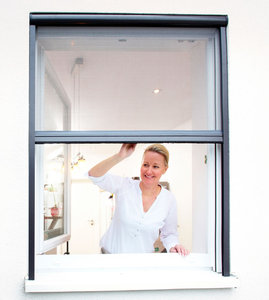
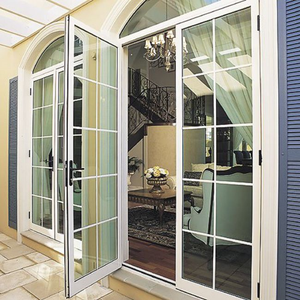
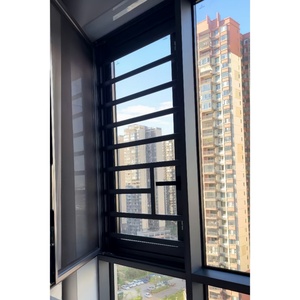
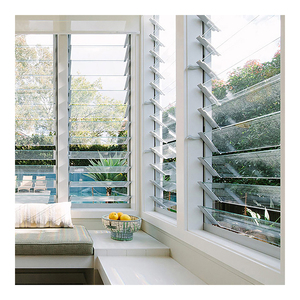
1. Defining the Industrial Evolution of Aluminum Jali Windows
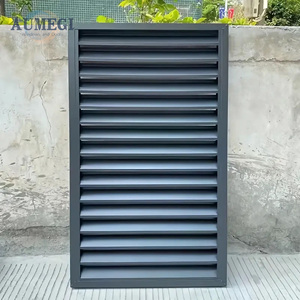
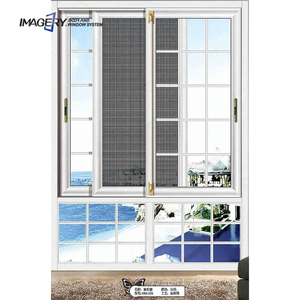
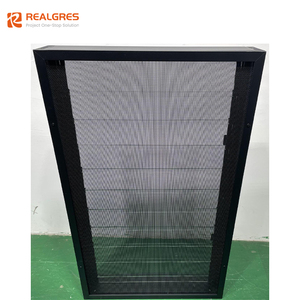
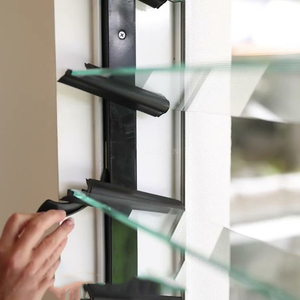
The term "Jali" historically denotes intricate, ornamental perforated screens engineered in South Asian and Middle Eastern architecture to provide micro-climatic control, natural daylight filtering, and acoustic refraction while protecting interior residential spaces from solar radiation. In contemporary fenestration engineering, wholesale aluminum jali windows have shifted from purely decorative stonework or low-grade steel grilles to high-tensile 6063-T5/T6 marine-grade aluminum alloy systems, combined with CNC-perforated lattice, acoustic architectural louvers, security mesh, and multi-track insulated glazing units (IGUs).
As top-tier China manufacturers and exporters, DERCHI (Guangdong Dejiyoupin Doors and Windows Co., Ltd.) integrates automated German extrusion profiles, automated robotic sealing, and multi-axis CNC punching to mass-produce architectural jali assemblies that solve four contradictory engineering objectives simultaneously:
- Continuous Passive Ventilation: Maintaining fluid airflow dynamics across tropical, equatorial, and humid environments without permitting rainwater ingress.
- High-Level Forced Entry Resistance: Incorporating integrated stainless steel wire mesh (304/316 marine-grade) or CNC laser-machined 4mm aluminum lattices concealed within the profile structural perimeter.
- Solar Heat Gain Coefficient (SHGC) Mitigation: Regulating direct infrared radiation through calculated slat angle optimization and tinted Low-E glass integration.
- Anti-Corrosion Longevity in Saline Atmospheres: Utilizing fluorocarbon (PVDF) electrostatic spray coating and 25-micron Qualicoat-certified powder coating systems.
Request Complete Technical Specifications & Structural CAD Sets
Get instant access to wind load calculation sheets, profile cross-sections, thermal transmission coefficients (U-factors), and bulk export pricing schedules.
Enterprise Reliability (E-E-A-T)
Why International Specifiers & Importers Partner with Us
Backed by over 25 years of specialized extrusion knowledge and a 180,000㎡ industrial footprint in Foshan, China, our manufacturing facilities ensure complete traceability and uncompromised structural compliance.
Foshan Extrusion Core & Scale
Operating from our 180,000㎡ manufacturing complex with 600+ personnel, we control the vertical fabrication chain from primary aluminum ingot billet homogenizing to profile extrusion, heat-treatment aging, CNC machining, automated corner crimping, and computerized QA packaging.
Rigorous International Testing
Our aluminum jali and louver fenestrations are audited against Australian AS2047 cyclic wind pressure (N6 rating), CE EN14351-1 commercial standards, ISO9001 quality frameworks, and UL fire test parameters. Full certified engineering dossiers accompany every bulk containerized order.
Project-Specific Shop Drawings
Global procurement requires flawless alignment with architectural elevations. Our technical drafting department produces comprehensive BIM objects, DWG shop drawings, structural wind-deflection calculations, and anchoring diagrams free of charge for approved projects before cutting commences.
Engineering Data Sheet
Material Matrix & Construction Parameters
Compare the precise mechanical, structural, and acoustic metrics engineered into our export-grade aluminum jali and jalousie assemblies.
| System Component | Standard Export Spec | Heavy-Duty / High-Rise Spec | Primary Benefit & Target Application |
|---|---|---|---|
| Extrusion Alloy | 6063-T5 Structural Billet | 6063-T6 Architectural Grade | High tensile strength (>205 MPa), zero structural warping over time. |
| Profile Wall Thickness | 1.4mm to 1.6mm | 2.0mm to 3.0mm Reinforced | Withstands extreme negative cyclonic wind pressures and seismic drift. |
| Jali Screen Core | Perforated Al-Plate (2.5mm) | Woven 316 Marine Stainless Steel | Anti-cut security barrier, insect protection, and diffused light penetration. |
| Louver Mechanism | Manual Gearbox / Wand | Somfy/Tuya Smart 24V Actuator | Integration with BMS (Building Management Systems) & weather sensors. |
| Surface Coating | AkzoNobel Powder (60-80μm) | PPG Fluorocarbon PVDF 3-Coat | 30-year resistance to UV fading, saline ocean spray, and chalking. |
| Glazing Subsystem | 5mm+9A+5mm Tempered Clear | 6mm Low-E+12Ar+6mm Laminated | Achieves U-values as low as 1.4 W/m²K; Sound reduction up to 42 dB. |
Market Intelligence
Future Procurement & Product Development Trends (2025–2030)
Strategic insights for overseas distributors, institutional specifiers, and procurement officers navigating evolving building codes and architectural shifts.
1. Transition to Thermal Break Profiles
Developing markets across the Middle East, Southeast Asia, and Latin America are introducing stringent national thermal regulations (e.g., Estidama, LEED, Edge). The historical single-skin aluminum louver is rapidly being supplanted by polyamide thermal break profiles (PA66GF25), stopping heat bridging and slashing air-conditioning electrical loads by up to 34%.
2. Bioclimatic Smart Automation
B2B commercial developers increasingly specify automated motorized jali systems linked via RS485 or Zigbee/Matter protocols. Integrated anemometers, rain sensors, and photo-sensitive relays command the louver angles in real-time, allowing structures to "breathe" dynamically during temperate dawn hours while sealing tightly during rainstorms or sandstorms.
3. Hybrid Architectural Security Integration
Rather than installing unsightly external secondary burglar bars, modern architecture demands invisible security. Future wholesale sourcing heavily leans toward multi-layered hybrid fenestrations—where the decorative perforated aluminum jali lattice provides exterior shade, high-tensile 304 security screen stops insects and forced entry, and interior glazed casements deliver acoustic isolation.
2. Factory-Direct Sourcing Roadmap for B2B Importers
Direct wholesale procurement of aluminum jali windows from China factories offers immense margin advantages for overseas distributors and general contractors, yet it requires rigorous supplier vetting. When importing high-volume fenestration consignments, evaluate these three foundational pillars:
A. Raw Material Grade & Anodizing/Coating Quality: Always verify that extrusions utilize genuine 6063 grade prime ingots rather than recycled scrap aluminum containing iron impurities. For coastal installations (within 5 km of an ocean shoreline), specify minimum 20μm architectural anodizing or PVDF fluorocarbon coatings capable of surpassing 3,000 hours in Neutral Salt Spray (NSS) testing.
B. Sealing Integrity and EPDM Gasketing: Inferior jalousie systems often use low-grade PVC weatherstrips that harden, shrink, and crack under high UV index exposure. Ensure your manufacturer utilizes continuous vulcanized EPDM or Santoprene co-extruded gaskets at blade intersections to maintain air and water impermeability across decades.
C. Export Packaging and Container Loading Optimization: Fenestration products risk surface abrasions or structural racking during 30 to 45-day ocean freight passages. Standard industrial packing must consist of: (1) protective polyethene surface film, (2) all-corner hard-paper corner guards, (3) waterproof bubble wrap cushioning, and (4) ISPM-15 compliant heat-treated fumigated plywood crates or specialized A-frame container racks.
Procurement Clarity
Frequently Asked Questions for International Buyers
Clear, unvarnished technical and logistics answers covering everything from minimum orders and engineering verifications to shipping and on-site support.
What is the minimum order quantity (MOQ) for custom architectural aluminum jali windows?
For standard production extrusion profiles in catalog finishes (such as matte black, white, and bronze), our typical MOQ is 50 square meters or approximately one mixed container consolidation. For custom CNC-perforated lattice patterns requiring bespoke extrusion tooling or unique architectural color matching (RAL codes), our engineering MOQ is 100 square meters. We routinely accommodate sample mock-ups for multi-unit project tender submissions.
How do aluminum jali windows perform during heavy monsoon rains and high cyclonic winds?
Our systems are engineered in accordance with AS2047 and ASTM standards. When louvers are set in the closed position, precision EPDM interlocking blade seals and stepped sill drainage channels direct rainwater outward by gravity, preventing capillary back-siphonage even under wind-driven rain rates exceeding 150 km/h. For high-velocity cyclonic zones, we supply reinforced structural mullions with customized moment-of-inertia values.
Can your export team supply custom CAD drawings and structural calculations for municipal permit approval?
Yes. Our in-house engineering team provides free comprehensive CAD shop drawings (DWG/PDF) and BIM/Revit models covering anchorage details, profile wall thicknesses, glass stress analysis, and thermal transmission evaluations. These documents are tailored for review by your structural consultants, facade engineers, and local building authorities prior to manufacturing sign-off.
What surface treatments are recommended for coastal resort and oceanfront projects?
For marine zones located within 1 to 5 kilometers of the coastline, we exclusively specify either fluorocarbon (PVDF) 3-coat spray coating (containing at least 70% Kynar 500 resin) or marine-certified Qualicoat Class 2/3 powder coatings. These surface treatments provide comprehensive resistance to salt fog crystallization, pitting corrosion, and intense solar UV radiation, maintaining gloss retention and color stability for decades.
What shipping terms do you support, and how are goods insured against transport damages?
We offer flexible Incoterms including FOB (Foshan/Shenzhen/Guangzhou), CIF, and DDU/DDP to major international commercial ports across Southeast Asia, the Middle East, Africa, the Americas, and Europe. All crated glass and fenestration shipments are covered under comprehensive marine transit insurance policies. Every package is labeled per opening schedule and crated inside heavy-gauge, water-resistant plywood cases.
Accelerate Your Fenestration Project with Direct Manufacturer Pricing
Connect with our technical export consultants today. We will analyze your project schedules, prepare value-engineered proposals, and deliver complete shop drawing packages.