Enterprise Procurement Matrix
High-Performance Aluminium Bathroom Windows
Factory-direct architectural fenestration systems certified for multi-residential, boutique hotel, and passive luxury developments worldwide.
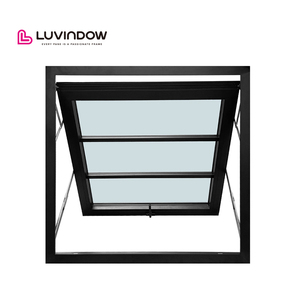
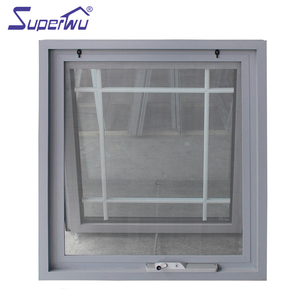
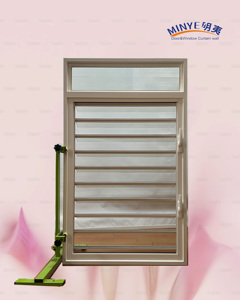
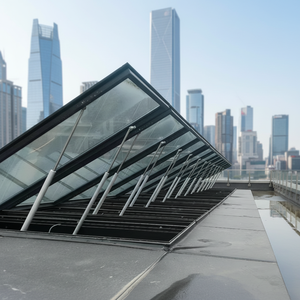
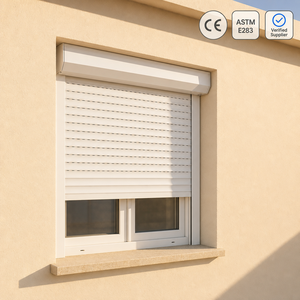
Tropical Ventilation
Aluminium Louver Window Adjustable Glass Shutter Ventilation System for Apartments
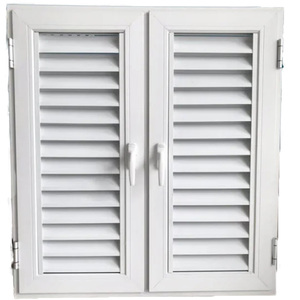
High Noise Abatement
Loubet Manual Horizontal Soundproof & Sunshade Aluminum Architectural Profile Window
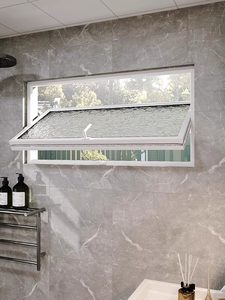
25+
Years of Fenestration Mastery
180,000㎡
Foshan Mega Production Base
600+
Skilled Technical Specialists
100+
Patents & Global Standards
Engineering White Paper
Technical Specification & Wet-Space Performance Dynamics
Demystifying moisture migration, interstitial condensation, and profile extrusion integrity in commercial bathroom construction.
The Thermodynamic Challenge of Wet-Room Glazing
Bathrooms, hotel en-suites, and commercial washrooms experience extreme intermittent relative humidity (RH spikes exceeding 90%) paired with significant indoor-outdoor temperature differentials. Standard residential fenestration consistently fails within 24 to 36 months under these conditions, resulting in degraded perimeter seals, galvanic screw corrosion, microbial growth inside drainage tracks, and irreversible surface finish chalking.
As specialized China wholesale aluminium bathroom ventilation window manufacturers, our engineering framework relies strictly on 6063-T5/T6 architectural aluminum alloy with a minimum wall thickness of 1.6mm to 2.0mm. Profiles undergo multi-stage chromate conversion pretreatment followed by PVDF (fluorocarbon) or 60–80 micron high-durability architectural powder coating conforming to Qualicoat Class 2 standards, resisting alkaline shower detergents and high salinity.
Acoustic Isolation Coupled with Natural Convection
Modern luxury hospitality projects demand an acoustic rating of STC 38 to 44 dB even in bathroom openings, preventing external traffic intrusion while offering swift damp-air exhaustion. Traditional louvers facilitate ventilation at the complete cost of acoustic dampening and thermal efficiency.
Our hybrid awning and dual-action transom solutions bridge this gap through multi-cavity thermal break designs integrated with imported PA66-GF25 (polyamide fiberglass reinforced) insulation strips. When combined with argon-gas-filled, warm-edge dual or triple-glazed Low-E insulated glass units (IGU), internal surface glass temperatures remain above dew point, completely eliminating condensation drip down internal tiled walls.
Differential Pressure Drainage
Integrated concealed stepped drainage cavities utilize natural siphon dynamics, guaranteeing zero water ingress during torrential driving rains exceeding 600 Pa dynamic water pressure.
Continuous Perimeter Gasketing
Automated co-extruded EPDM vulcanized sealing gaskets deliver lifetime elasticity down to -40°C, ensuring Class 4 air-permeability standards and completely blocking vapor escape into structural walls.
Austenitic 304/316 Hardware
Friction hinges, lock cases, multi-point espagnolettes, and operator gearboxes are certified for over 1,000 hours of continuous neutral salt spray (NSS) testing, guaranteeing effortless mechanical operation.
Strategic Forecasting
Future Procurement & Engineering Trends (2026–2030)
Key paradigm shifts architectural specifiers, developers, and wholesale buyers must evaluate for forward-compatible developments.
Trend 01 · IoT Automation
Decentralized Sensor-Driven Actuation
Manual window handles are rapidly transitioning to DC24V brushless chain actuators integrated with localized VOC, CO2, and relative humidity (RH) sensors. Bathroom systems automatically calculate the optimal open angle (15° to 45°) for rapid negative-pressure clearance, interlocking with central BMS over KNX/Zigbee protocols.
Trend 02 · Smart Privacy
Integrated PDLC Switchable Smart Glazing
The friction between natural ventilation, external panoramic sightlines, and complete visual seclusion is resolved through PDLC laminated glazing within awning profiles. Activating privacy states in under 20 milliseconds, specifiers eliminate mold-trapping internal fabric blinds entirely in luxury multi-family projects.
Trend 03 · Decarbonization
Circular Metallurgy & Thermal Isotherms
Enterprise procurement teams across Europe, North America, and Australia now require Environmental Product Declarations (EPDs). Future projects prioritize low-carbon recycled aluminum billets (hydro-powered smelting under 4.0 kg CO2/kg Al) paired with multi-cavity, continuous isothermal thermal barriers achieving U-values ≤ 1.3 W/m²K.
Enterprise Hegemony
Why Tier-1 Global Contractors Partner with Our Factory
Headquartered in Foshan, Guangdong—China’s global capital for architectural fenestration—our consolidated manufacturing ecosystem delivers unmatched supply integrity.
180,000㎡ Intelligent Mega-Facility
Full-chain operational control spanning automated profile extrusion, CNC 5-axis precision corner crimping, robotized robotic sealant dispensing, and automated glass tempering lines.
Tier-1 International Compliance Verification
Independently tested and compliant with Australian AS2047 / AS1288 (achieving cyclonic rating N6), CE EN14351-1, ISO9001 quality systems, and UL fire-rated egress testing.
Comprehensive BIM & CAD Engineering Suite
Our dedicated in-house R&D engineering department furnishes complete project shop drawings, structural wind-load load calculations, and Revit BIM models within 48 hours of initial tender review.
Project Consolidation & Heavy-Duty Crating
Every single bathroom window unit is individually barcoded, foam wrapped, and packed into steel-reinforced, fumigated solid wood ocean crates engineered for rough container handling and direct jobsite floor staging.
Procurement Knowledge Base
Frequently Asked Technical & Purchasing Inquiries
Clear, definitive operational guidance for real estate developers, contractors, and import distributors.
What are the key technical differences between bathroom louvers and awning windows for commercial residential projects?
Louver systems (glass or extruded aluminum blades) offer uninterrupted passive ventilation but maintain lower airtightness (typically yielding higher U-values and poor STC sound dampening ≤ 25 dB). In contrast, outward-projecting awning windows utilize continuous compression gasketing around the sash perimeter. When locked with multi-point handles, awning windows achieve full weather seals (air tightness ≤ 0.5 m³/(m·h) and water penetration resistance ≥ 450 Pa), making them vastly superior for air-conditioned high-rise developments and regions subject to driving monsoon winds.
How does your factory ensure profile coatings resist high humidity, sulfur fumes, and bathroom detergents?
Standard anodizing or architectural paint is prone to micro-pitting in damp conditions containing bathroom surfactants. Our production line applies certified AkzoNobel or PPG fluorocarbon (PVDF) 3-coat systems or Qualicoat Class 2 hyper-durable thermoset polyester powder coatings. The resulting surface passes 3,000 hours of continuous AAMA 2605 test exposure, providing absolute immunity against peeling, blistering, discoloration, and alkaline etching.
Can we consolidate bathroom ventilation windows with main entrance and interior door schedules in one container?
Yes. Leveraging our consolidated 180,000㎡ industrial footprint, international clients regularly consolidate complex bills of quantities (BOQs)—pairing custom bathroom ventilation windows, large architectural pivot entry doors, fire-rated interior wooden doors, and automated garage portals into unified 40HQ ocean containers. This significantly minimizes import clearance tariffs, harbor drayage overheads, and fragmented vendor risk.
What glass specifications do you recommend to balance absolute privacy with daylight penetration?
We engineer three distinct architectural glazing configurations: (1) Low-iron acid-etched/frosted tempered glass, which diffuses light evenly while blocking shadows beyond 100mm; (2) Reeded or fluted decorative architectural glass (Moru glass) laminated with acoustic PVB interlayers; and (3) Switchable electrochromic PDLC smart glass, which provides instant transition between clear visual transparency and opaque frost with zero mechanical blind maintenance.
What is your standard production lead time and export crating protocol for commercial ocean transit?
Standard bespoke production schedules average 25 to 35 calendar days following client sign-off on detailed CAD fabrication shop drawings. For export shipment, products are protected with 5mm protective edge film, bubble-wrap buffers, and crated inside fully enclosed, fumigated ISPM-15 plywood crates fitted with structural forklift skids and moisture-absorbing desiccant packets to prevent transit-induced humidity staining.