180,000㎡
Advanced Production Base
25+
Years Engineering Mastery
600+
Skilled Fabrication Experts
100+
Global Patents & Certifications
Engineered Fenestration Showcase
Explore our export-certified architectural systems manufactured with 6063-T5 aluminum extrusions, precision rollers, and certified structural glazing.
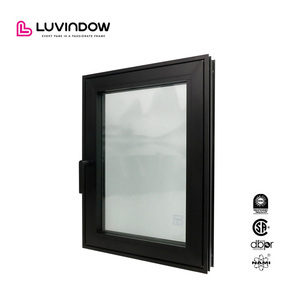
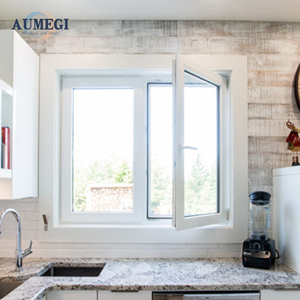
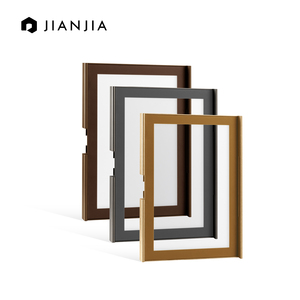
Comprehensive Engineering Analysis: Aluminum Single Pane Sliding Windows in Modern Procurement
As international construction paradigms shift toward optimized lifecycle costing and targeted climate-specific applications, the aluminum single pane sliding window occupies a distinct and critical segment within modern fenestration procurement. Historically categorized simply as an economical entry-level product, modern material sciences and advanced extrusion technologies have fundamentally transformed this window system. Today's commercial developments, institutional compounds, and residential projects located throughout tropical, sub-tropical, and equatorial climatic zones increasingly specify modernized single pane sliding systems engineered with structural 6063-T5 or 6063-T6 architectural aluminum profiles.
"The strategic procurement of aluminum single pane sliding window systems relies not merely on raw unit cost, but on the structural balance of wind-load deflection tolerances, interlock air permeability parameters, hydrodynamic weep system engineering, and anodized or fluorocarbon coating durabilities specified against maritime atmospheric corrosion."
Architectural Utility in Targeted Global Climates
In regions where building envelopes do not require rigorous cold-weather thermal resistance—such as Southeast Asia, Central America, the Caribbean, and vast sub-Saharan developing zones—specifying heavy double or triple insulating glass units (IGUs) introduces unnecessary dead load on slab edges, inflates shipping logistics weight by over 55%, and elevates mechanical strain on tracking rollers. Conversely, premium aluminum single pane sliding windows engineered with tempered single glazing (ranging from 5mm to 10mm thicknesses) deliver superior structural integrity, sleek sightlines, and unmatched ease of operation without imposing burdensome operational expenditure.
Moreover, single-pane systems remain a dominant architectural preference for interior acoustic partitions, internal courtyard interfaces, high-humidity veranda enclosures, and utility facilities across the United States, Australia, and European territories. When paired with high-performance interlayer films or tempered solar-reflective coatings, modern single-glazed sliding modules achieve substantial solar heat gain coefficient (SHGC) moderation while maintaining an exceptionally compact frame footprint.
Comparative Technical Matrix: Glazing Systems Analysis
To assist facade consultants, general contractors, and procurement directors in evaluating structural envelope parameters, the following data matrix details the engineering metrics of advanced aluminum single pane sliding configurations against multi-cavity alternatives:
| Performance Parameter | Aluminum Single Pane (Tempered 6-8mm) | Standard Double Glazed (5+9A+5) | High-Spec Thermal Break Triple |
|---|---|---|---|
| Structural Frame Profile Depth | 50mm - 70mm Minimalist Profile | 85mm - 110mm Heavy Profile | 120mm - 145mm Deep Profile |
| Average Sash Dead Weight | 15 - 20 kg/m² (Reduced Roller Wear) | 28 - 35 kg/m² (Moderate Stress) | 42 - 55 kg/m² (Demands Heavy Rollers) |
| Design Wind Pressure Capacity | Up to 3.0 kPa (Per AS2047 / ASTM E330) | 3.5 kPa - 4.5 kPa | 4.5 kPa - 6.0 kPa |
| Air Infiltration Rating | Class 3 (EN 12207) / ≤ 1.5 m³/(h·m) | Class 4 / ≤ 0.5 m³/(h·m) | Class 4 / Airtight Passive Standard |
| Container Loading Density (40HQ) | 550 - 650 m² per FCL | 320 - 380 m² per FCL | 200 - 240 m² per FCL |
| Lifecycle Mechanical Maintenance | Minimal (Single track, non-gas cavity) | Moderate (Desiccant/Seal integrity) | High (Complex hardware alignment) |
Material Metallurgy and Structural Extrusion Standards
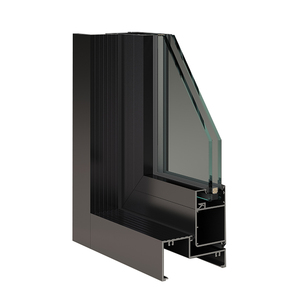
The operational longevity of a sliding window system is inextricably linked to the metallurgy of the aluminum frame. China's top tier manufacturers employ virgin A00 aluminum ingots to extrude profiles according to GB/T 5237, ASTM B221, and EN 755 industrial standards. By maintaining strict control over magnesium and silicon ratios within 6063-T5 alloys, profiles exhibit yield strengths exceeding 160 MPa and tensile strengths above 205 MPa. This structural rigidity allows profiles to integrate exceptionally slender interlock stiles—down to 18mm visible widths—enabling expansive panoramic views while resisting severe coastal wind loads.
Macro Industry Drivers & Procurement Evolutions
Emerging manufacturing technologies and international supply chain pressures are reshaping how Tier-1 development contractors source aluminum sliding assemblies.
Modular Prefabrication Alignment
Global multi-family housing and student accommodation projects increasingly adopt off-site modular volumetric construction. Aluminum single pane sliding windows provide a lightweight, structurally rigid profile that fits directly into industrialized steel frame assemblies without requiring excessive crane load tolerances during craning and stacking.
Optimized Sea Freight Density
With volatile maritime container shipping indices, maximizing the volumetric efficiency of each 40ft High Cube container is paramount. Single pane sliding systems pack down with substantially higher nesting efficiencies, reducing the landed freight cost per square meter by up to 38% compared to cumbersome double-glazed thermally broken casements.
Anti-Corrosive Surface Treatments
Procurement trends prioritize architectural coatings guaranteed against coastal salt-fog degradations. Modern high-volume Chinese manufacturing incorporates vertical powder coating lines utilizing AkzoNobel or PPG PVDF fluorocarbon coatings capable of surpassing 3,000 hours in neutral salt spray (NSS) testing per AAMA 2604/2605 guidelines.
Ultra-Silent Stainless Steel Track Assemblies
Historic single pane tracks utilized molded plastic glides prone to UV degradation and seizing. Next-generation systems feature integrated 304 or 316 marine-grade stainless steel monorails combined with CNC-machined dual-wheel POM or brass ball-bearing rollers, cycle-tested to exceed 100,000 smooth opening sequences.
Multi-Point Security & Anti-Lift Locks
Modern sliding assemblies now incorporate sophisticated flush crescent locks and hidden multi-point locking mechanisms. Coupled with internal anti-lift security blocks, the sashes cannot be unseated or pried open from the building exterior, meeting rigorous international forced-entry security mandates.
Integrated Micro-Mesh Flyscreen Channels
Direct extrusion integration of third-rail screens allows the seamless placement of 304 stainless steel insect wire or high-tensile security flyscreens. This integrated system prevents mosquito intrusion in tropical resort developments without interrupting clean visual architecture or obstructing clean water drainage tracks.
Advanced Technological Frontiers in Sliding Window Manufacturing
As China solidifies its position as the preeminent global manufacturing center for architectural aluminum, the technical envelope of sliding window production is advancing beyond traditional manual assembly. Advanced robotic profile cutting, automated 45-degree and 90-degree CNC corner crimping, and automated silicone structural glazing lines ensure that every single pane window sash achieves dimensional tolerances within ±0.5mm across spans reaching 3,000mm in height.
Hydrodynamic Drainage and Air Barrier Science
A primary historical vulnerability of sliding window formats has been water penetration through horizontal sash tracks during torrential downpours. Leading Chinese engineering teams have resolved this through computational fluid dynamics (CFD) modeling of sill extrusions. Contemporary designs incorporate high-differential multi-step drainage chambers coupled with counterbalanced non-return weep valve flaps. These valves automatically close when subjected to negative external wind suction pressures, entirely preventing wind-driven water backdraft while draining water loads up to 600 Pa per EN 12208 standards.
To establish durable air permeability thresholds, traditional woven pile weatherstripping has been replaced by silicone-treated, high-density pile weatherstrips integrated with a central continuous polypropylene barrier fin. This dual-fin configuration reduces friction during sash transit while effectively eliminating draft leaks, wind whistlings, and urban dust incursions.
Manufacturing Authority: Guangdong Dejiyoupin Doors & Windows Co., Ltd. (DERCHI)
Headquartered in Foshan, Guangdong—the global manufacturing nucleus for structural aluminum profiles—Guangdong Dejiyoupin Doors and Windows Co., Ltd. represents over 25 years of specialized engineering mastery in fenestration systems. Recognized among the Top 10 door and window brands in China, DERCHI commands an expansive 180,000㎡ industrial manufacturing complex employing over 600 skilled technicians, engineers, and quality assurance personnel.
Rigorous Certifications
Full compliance with CE, ISO9001, AS2047, and UL fire-safety protocols, supported by over 30 design and invention patents.
Bespoke CAD/BIM Services
Our dedicated engineering bureau prepares verified structural CAD shop drawings and BIM objects matching your specific project schedules.
Full-Process Production
Complete control over extrusions, precision cutting, glass tempering, robotic assembly, and rigorous pre-export testing.
Maritime Export Packing
Custom treated steel-banded fumigated plywood crating with corner protectors ensures zero breakage during transoceanic shipping.
Frequently Asked Procurement Questions
Technical clarity for international project directors, architects, and quantity surveyors importing windows from China.
What specific aluminum alloys and temper designations are utilized for high-durability sliding windows?
Our window extrusions are fabricated exclusively from architectural grade 6063-T5 or 6063-T6 aluminum alloys. These alloys provide the optimal balance of mechanical yield strength, corrosion resistance, and post-machining surface smoothness. Frame wall thicknesses range between 1.4mm to 2.0mm in accordance with national GB/T 8478 and international ASTM standards for high-span commercial sliding fenestrations.
How do aluminum single pane sliding windows perform during intense typhoons or severe coastal storms?
Structural performance is ensured through reinforced interlocking stiles and continuous tubular mullions designed to meet high wind pressure loads (up to 3000 Pa or greater depending on custom structural stiffeners). Furthermore, our engineered sill profiles incorporate stepped multi-chamber drainage tracks and counter-weighted non-return weep valves that prevent water pooling and backflow during driving wind conditions.
What surface treatment technologies are applied to prevent oxidation in harsh, salt-heavy marine environments?
We offer architectural powder coatings certified under Qualicoat Class 2 / AAMA 2604 standards, high-micron anodizing (15-25μm thickness), and premium 2-coat or 3-coat PVDF (fluorocarbon) finishes supplied by AkzoNobel or PPG. These treatments deliver high resistance against UV chalking, color fading, and salt-mist corrosion, verified through 3,000+ hour neutral salt spray tests.
Can our engineering team specify custom glass configurations such as Low-E, reflective, or tinted single glazing?
Yes. While utilizing a single pane footprint, we accommodate monolithic fully tempered safety glass (SGCC and CE certified) ranging from 5mm to 12mm thickness. Glazing options include hard-coat pyrolytic Low-E, reflective solar control glass, laminated security glass (PVB/SGP interlayers), and body-tinted glass (grey, bronze, green, or blue) to meet specific project Solar Heat Gain Coefficient (SHGC) and privacy requirements.
What is the standard production lead time and quality inspection protocol for full container loads (FCL)?
Standard mass production lead time is 25 to 35 calendar days following shop drawing confirmation and deposit receipt. Every production run undergoes our 100% multi-stage QC regimen: incoming profile tolerance verification, corner diagonal calibration (±1.0mm tolerance), operational roller cycle testing, and random sample assembly water tightness validation prior to final export crating.
How are sliding window assemblies protected to eliminate damage during long ocean transit and port handling?
Every window frame is individually wrapped in protective electrostatic PE films and wrapped with high-density pearl cotton sheeting. Corners are reinforced with heavy-duty ABS impact protectors. Finished units are bundled and loaded into fully enclosed, fumigated solid plywood crates or heavy-gauge steel storage stillages designed specifically for forklift offloading at construction sites without structural rack deformation.
Ready to Engineer Your Project's Fenestration Schedule?
Connect directly with our Foshan manufacturing engineering bureau. Submit your window schedules, architectural elevations, or project specifications for immediate technical review and competitive factory-direct pricing.
Get a Quote