Featured Architectural & High-Stability Door Systems
Explore our precision-machined aluminium stable doors, thermal entrance barriers, cavity sliders, and architectural fenestration solutions tested to Australian AS2047, European CE, and North American ASTM standards.
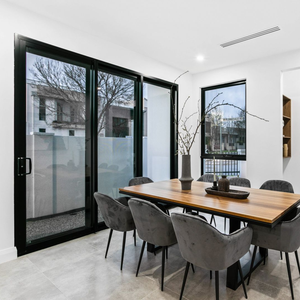
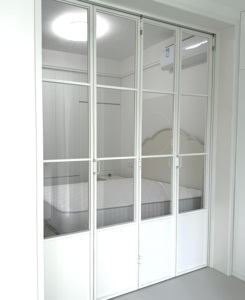
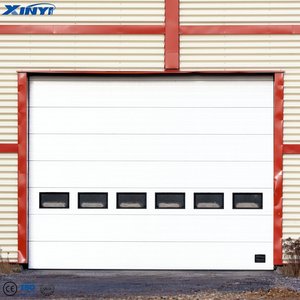
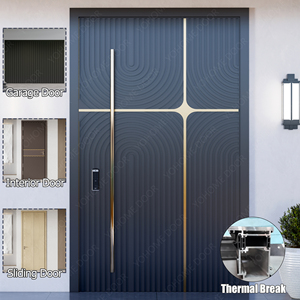
25+ Years of Extrusion & Assembly Engineering in Foshan
Headquartered in the global aluminium capital of Nanhai, Foshan, Guangdong Dejiyoupin Doors and Windows Co., Ltd. (DERCHI) represents China's gold standard in architectural envelope engineering.

Heavy-Duty Fabrication Infrastructure
Operating across an expansive 180,000㎡ intelligent fabrication ecosystem, our facility houses 12 automated profile extrusion lines, multi-axis high-speed CNC machining centers from Germany, automated robotic corner-crimping units, and proprietary electrostatic powder-coating horizontal and vertical lines. As a certified Top 10 fenestration brand in China, we control the entire metallurgic lifecycle—from raw 6063-T5/6063-T6 virgin primary aluminum billet homogenization to finished structural joinery.
- Automated Corner Cleating: Pneumatically pressed cold-injected corner cleats with dual-component polyurethane adhesive guarantee zero diagonal distortion under heavy operational shear.
- Polyamide Thermal Barriers: Precision-rolled Technoform PA66-GF25 glass fiber reinforced polyamide thermal struts ensuring system U-factors down to 1.1 W/(m²·K).
- Automated Surface Treatments: Qualicoat Class 2 fluorocarbon (PVDF) and AkzoNobel powder coatings delivering 30-year resistance against micro-cracking and chalking.
The Mechanics of High-Performance Aluminium Stable Doors
Understanding how dual-leaf Dutch configurations, split horizontal transoms, and engineered perimeter seals solve severe ventilation, security, and environmental challenges.
In modern industrial, high-end residential, and equestrian architecture, the term "Stable Door" (traditionally known as a Dutch door or split double-leaf door) defines a system divided horizontally into an independently operable upper sash and a rigid lower leaf. While timber stable doors suffer notoriously from hygroscopic expansion, warp, bacterial decay, and termite infestation, engineered aluminium alloy stable doors eliminate thermal distortion while providing structural wind resistance capable of withstanding cyclonic pressures.
Our engineering matrix utilizes high-tensile 6063-T6 architectural grade profiles with wall thicknesses exceeding 2.0mm to 3.0mm at critical load points. The intersection where the upper and lower leaves interlock—known as the horizontal meeting stile—features an interlocking labyrinth extrusion profile equipped with quadruple EPDM vulcanized co-extruded gaskets. This proprietary meeting-rail geometry provides complete weatherproofing against horizontal driven rain while allowing the top leaf to pivot 180 degrees for micro-ventilation, sightlines, and biophilic airflow without compromising the lower perimeter barrier.
| Engineering Parameter | Conventional Timber Stable Door | Standard Thin-Wall Aluminium | DERCHI Heavy-Duty Aluminium Stable Door |
|---|---|---|---|
| Structural Deflection (Windload) | High warping under solar gain; L/100 | Moderate flex under gust load; L/175 | AS2047 N6 Compliant; Deflection < L/300 |
| Thermal Insulation (U-Value) | 1.8 – 2.4 W/(m²·K) (Poor edge sealing) | 3.5 – 5.0 W/(m²·K) (Non-thermal break) | 1.1 – 1.6 W/(m²·K) (PA66 Polyamide Barrier) |
| Horizontal Meeting Rail Seal | Felt or single rubber wiper; high leakage | Single fin vinyl seal; degrades in UV | Quadruple EPDM Labyrinth Interlock |
| Corrosion Resistance (Salt Spray) | Vulnerable to rot, mold, and humidity | ASTM B117: ~240 hrs before pitting | ASTM B117: > 3,000 hrs Marine Grade PVDF |
| Multi-Point Locking Mechanics | Manual surface barrel bolts; low shear | Standard 2-point latching system | Dual-System German GU / Siegenia 5-Point |
Beyond equine and agricultural equestrian facilities, our export orders for aluminium stable doors have expanded into luxury modern residential sunrooms, coastal villas, patio utility partitions, and commercial retail applications where dual-purpose service counter functionality is required. When the top sash incorporates automated magnetic blinds enclosed inside 28mm low-E argon-filled tempered double glazing, the door functions as an intelligent acoustic insulator achieving an STC (Sound Transmission Class) rating of 38dB to 42dB.
Future Global Sourcing Trends in Aluminium Fenestration
Key macroeconomic, regulatory, and supply chain shifts that B2B importers, architects, and real estate developers must navigate over the next five years.
Carbon Border Adjustments & Low-Carbon Aluminium
With the implementation of the European EU CBAM (Carbon Border Adjustment Mechanism) and stringent green building certifications worldwide (LEED v4.1, BREEAM, and Green Star Australia), global procurement is pivoting toward certified low-embodied-carbon aluminium billet produced with hydropower. DERCHI provides verified Environmental Product Declarations (EPD) to ensure zero carbon tariff penalties upon import.
Pre-Hung Modular Export Packaging
High on-site labor costs in Australia, North America, and Europe have rendered site-assembled door components uneconomical. The purchasing trend mandates 100% factory pre-hung systems: doors are fully pre-hung within sub-frames, hinges factory-torqued, multi-point locks routed, and pre-drilled anchors marked before undergoing protective crating. This cuts on-site installation labor hours by up to 70%.
Single-Source Mixed Container Consolidation
Rather than dealing with multiple fractured suppliers for exterior stable doors, commercial pivot doors, bi-fold systems, and clad-wood windows, commercial developers are actively demanding consolidated project procurement. Sourcing the full fenestration schedule from a single verified 180,000㎡ plant drastically reduces shipping container demurrage, streamlines customs clearance paperwork, and guarantees profile surface color consistency across all openings.
Engineering Developments: The Next Generation of Stable Doors
How advanced metallurgy, IoT integration, and aerodynamic sealing are redefining modern stable and Dutch door performance.
Smart Mechatronic Latching & Hidden Transom Drives
The boundary between manual mechanical hardware and smart building automation has dissolved. Contemporary architectural specifications demand concealed electromagnetic interlocks embedded within the split-leaf transoms. Our latest R&D patents integrate internal cable pass-through conduits, allowing the lower sash to remain locked while the upper sash operates via smart motorized actuators triggered by indoor air quality sensors or building management systems (BMS).
- Integrated Biometric Access: High-security biometric fingerprint and RFID scanners housed directly inside CNC-routed thermal profiles with zero visible wiring.
- Magnetic Contact Interlocks: Intelligent safety sensors that prevent closing of the upper sash until the lower sash is firmly secured, eliminating seal collision damage.
- Thermal Aerogel Infill: Profile internal chambers injected with high-density nano-aerogel insulation cores, elevating acoustic isolation to 45dB.


Ultra-Narrow Bevel Sightlines with Marine-Grade Anodizing
Modern architectural aesthetics favor slimline visual profiles that maximize daylighting without sacrificing windload resistance. By utilizing high-silicon alloy structural ribs within the extrusion dies, DERCHI has engineered sightline widths down to 48mm for the perimeter frame while maintaining moment-of-inertia values capable of supporting over 200kg per sash.
For extreme coastal environments such as Queensland Australia, Florida USA, or coastal South America, our automated electrochemical anodizing lines apply a 25-micron anodic oxide coating that forms an impenetrable ceramic barrier against marine salt crystallization, pitting corrosion, and acidic oxidation.
Frequently Asked Questions for Importers & Contractors
Detailed commercial, logistical, and technical guidance to ensure seamless importing, custom engineering, and compliance verification.
What are the key technical specifications required to get an accurate OEM/ODM quotation? +
How does your factory ensure wind load and water tightness compliance for coastal projects? +
What is the minimum order quantity (MOQ) and production lead time for customized architectural projects? +
How are doors packaged to prevent damage, scratches, and moisture oxidation during long ocean voyages? +
Can DERCHI supply complete pre-hung doors including hardware and installation accessories? +
What warranty, after-sales technical support, and replacement parts policies do you offer? +
From Architectural CAD to Port Delivery in 5 Rigorous Steps
A transparent, ISO9001-audited engineering methodology guaranteeing zero dimension discrepancies and zero port clearance delays.
01. Schedule & Windload Audit
We cross-reference your architectural schedule against local building codes, calculating design wind pressure (DP), structural deflection limits, glass safety requirements (AS1288, SGCC), and thermal envelope parameters.
02. Free CAD Shop Drawings
Our engineering department creates full 1:1 scale shop drawings detailing profile sections, anchor points, meeting-rail interlocking seals, and sub-sill drainage interfaces for sign-off prior to production.
03. Automated CNC Precision
Milling, drilling, thermal insertion, and corner crimping are executed on 5-axis German CNC machines with tolerances held within ±0.2mm, guaranteeing air-tight sash operation and flush split-leaf transitions.
04. 100% Pre-Assembly QC
Every finished door undergoes 100% test-hanging in the quality testing facility. Inspectors check smooth dual-leaf articulation, latching resistance, laser squareness, and electronic paint-thickness verification.
05. Export Crating & CIF Delivery
Crated according to strict maritime shipping standards. We coordinate door-to-door delivery or CIF discharge at key ports globally: Long Beach, Santos, Melbourne, Rotterdam, Jebel Ali, and Callao.
Partner with China's Premier Aluminium Door Manufacturer
Direct manufacturer pricing, verified structural engineering, free CAD shop drawings, and guaranteed container delivery. Submit your project requirements or door schedule to connect directly with our export engineering department.