Featured CE Certified Aluminium Doors & Architectural Glazing
Engineered for high wind load tolerance, thermal insulation, acoustic comfort, and water-tight integrity across diverse global microclimates.
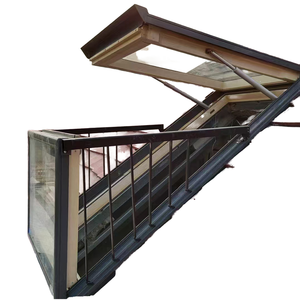 CE & NFRC
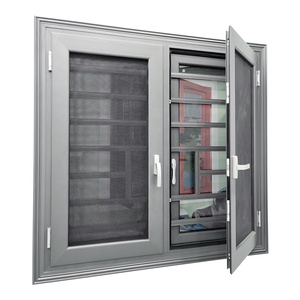 Thermal Break
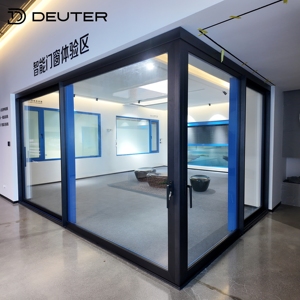 Heavy Duty Lift & Slide
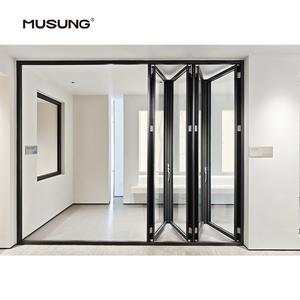 Accordion Bifold
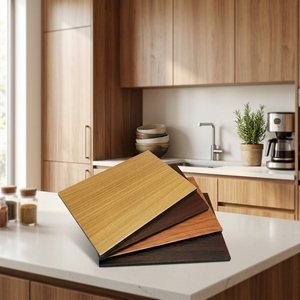 Fireproof ACP
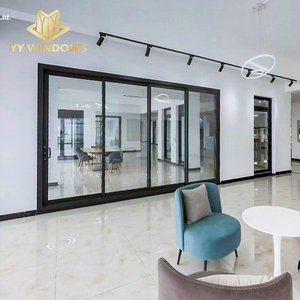 Acoustic Rated
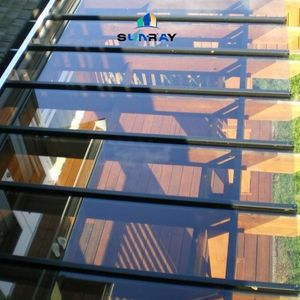 Smart Motorized
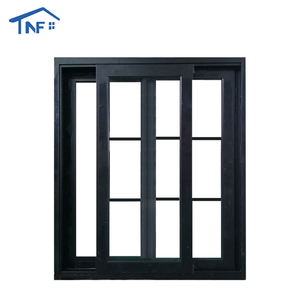
The Architecture of CE Compliance: Decoupling EN 14351-1 for Glazed Openings
A rigorous examination of conformity assessment procedures, mechanical tolerances, and thermal envelope verification for international project procurement.
In modern high-performance building design, sourcing fenestration from a certified CE certified aluminium glass door exporter requires an intricate understanding of the European Union's Construction Products Regulation (CPR 305/2011). Under the harmonized technical framework EN 14351-1:2006+A2:2016 (Windows and doors - Product standard, performance characteristics), external pedestrian doorsets and panoramic glazed sliding assemblies must demonstrate empirical compliance through verified testing protocols administered by independent Notified Bodies.
Core Technical Takeaway: A CE mark is neither a marketing decoration nor a basic factory certificate; it constitutes a legally binding Declaration of Performance (DoP) attesting that the thermal transmittance (U-value), structural wind load resistance, air permeability, and acoustic attenuation perform accurately under continuous Factory Production Control (FPC) per ISO 9001 systems.
Crucial Harmonized Test Criteria for Aluminium Glazed Portals
When engineering high-traffic exterior portals, pivot systems, and expansive multi-slide terrace doors, DERCHI prioritizes four foundational physical variables governed by precise European test norms:
Air Permeability (EN 1026 / EN 12207)
Assessed through Class 1 to Class 4. Class 4 represents the zenith of architectural envelope tightness, preventing unwanted exfiltration and infiltration under severe barometric pressure swings up to 600 Pa.
Water Tightness (EN 1027 / EN 12208)
Classified under unshielded (Method A) criteria up to Class E900 or higher. Ensures multi-point dynamic gaskets, integrated cascade weep drain channels, and vulcanized EPDM corner boots eliminate internal moisture penetration.
Resistance to Wind Loads (EN 12211 / EN 12210)
Categorized by deflection classes (A, B, C) and pressure grades (1 through 5). DERCHI doors routinely achieve Class C5, verifying sash deflection less than L/300 under extreme cyclical test pressures exceeding 2000 Pa.
Thermal Transmittance (EN ISO 10077-1 & -2)
Validated whole-system calculations (Uw) integrating multi-cavity Polyamide 66 reinforced with 25% glass fiber (PA66 GF25) thermal struts, warm-edge silicone matrix spacers, and inert argon gas backfills.
Furthermore, under AVCP (Assessment and Verification of Constancy of Performance) System 3 standards, representative architectural specimens are subjected to destructive impact testing, operating force evaluations (EN 12046-2), and mechanical durability cycling (EN 1191) spanning up to 100,000 continuous open-close cycles without structural distortion or hardware failure.
Parametric Performance Matrix: Standard vs. CE Certified Thermal Break Systems
A comparative structural breakdown providing transparency for facade consultants and specifiers.
| Performance Characteristic | Reference Norm | Standard Commercial Door | DERCHI CE Certified System | Compliance Verdict |
|---|---|---|---|---|
| Thermal Transmittance (Uw) | EN ISO 10077-1 / -2 | 3.2 – 4.5 W/(m²·K) | 0.92 – 1.35 W/(m²·K) | Passive Tier Compliant |
| Air Permeability | EN 12207 | Class 2 (300 Pa) | Class 4 (600 Pa hermetic seal) | EN 14351-1 Maximum |
| Water Tightness Under Wind | EN 12208 | Class 4A (150 Pa) | Class 9A / E1050 (1050 Pa) | Extreme Marine Rated |
| Structural Wind Load (Deflection) | EN 12210 | Class B2 (±800 Pa) | Class C5 / C3000 (±3000 Pa) | High-Rise Facade Grade |
| Acoustic Attenuation (Rw / STC) | EN ISO 717-1 | 28 – 31 dB | 38 – 44 dB (Acoustic Interlayer) | Urban Sound Barrier |
| Aluminium Substrate Alloy | EN 573-3 / EN 755-2 | Recycled Mixed Extrusions | Primary 6063-T5 / 6063-T6 Virgin Billet | Tensile Yield ≥ 215 MPa |
Future Procurement Trends in Architectural Aluminium Glass Doors (2025–2030)
Market shifts indicating how institutional developers, luxury builders, and facade contractors are mitigating supply chain risks and meeting stringent carbon mandates.
The global facade fenestration landscape is undergoing unprecedented structural transformation. As environmental mandates such as the European Union's Energy Performance of Buildings Directive (EPBD recast) take effect, procurement managers and project developers can no longer rely on commoditized window and door sourcing. The industry is moving toward multi-attribute engineering platforms that balance aesthetic minimalism with carbon disclosure.
1. Low-Embodied Carbon Extrusions
Institutional developers are mandating Environmental Product Declarations (EPDs). Forward-thinking exporters leverage certified low-carbon aluminium produced via renewable hydroelectric smelting, reducing embodied carbon to below 4.0 kg CO2e per kg of primary billet.
2. Hyper-Slim Minimalist Sightlines
Architectural demand favors concealed perimeter sub-frames with visible mullion widths under 20mm. High-strength structural silicone glazing (SSG) seamlessly transfers shear wind loads directly into perimeter framing members without bulky outer extrusions.
3. Mechatronic IoT Facade Integration
Manual operation is increasingly complemented by concealed motorized drives, electronic multi-point lock actuators, and biometric access controls that interface natively with KNX, BACnet, and Crestron building automation architectures.
4. Pre-Engineered Unitized Logistics
To bypass elevated local jobsite labor costs across North America, Europe, and Australasia, developers are prioritizing fully glazed, pre-assembled, container-optimized export packaging with plug-and-play installation tolerances.
Technological Evolution: Next-Generation Thermally Broken Glass Portals
Historically, aluminium doors were scrutinized for thermal conductance. Today, technological evolution has turned the material into a superior thermal shield. Advanced multi-chambered polyamide barriers incorporating porous cellular foam insulation achieve composite thermal conductivities competitive with solid timber systems, while retaining the structural rigidity required for expansive spans (e.g., floor-to-ceiling heights up to 4.2 meters).
Simultaneously, glass composition has transitioned from simple dual-pane tempered assemblies to complex low-emissivity (Low-E) coatings engineered on face #2 and #4. Incorporating warm-edge hybrid thermoplastic spacers (TPS) prevents perimeter condensation, mitigating thermal bridging across severe interior-exterior temperature deltas ranging from sub-zero Alpine winters to scorching Middle Eastern summers.
Why Tier-1 Contractors Partner with Guangdong Dejiyoupin (DERCHI)
Combining industrial scale in Foshan, China with German CNC precision machinery and verified international project management.
Recognized as one of China's Top 10 premium door and window manufacturing leaders, Guangdong Dejiyoupin Doors and Windows Co., Ltd. (DERCHI) operates an expansive 180,000 square meter intelligent industrial base in Foshan, Guangdong. Backed by over 25 years of engineering heritage and a dedicated workforce of more than 600 manufacturing specialists, DERCHI has bridged the gap between rapid custom fabrication and uncompromising international compliance.
Consolidated Multi-Product Logistics
Procure complete architectural schedules from one source: ultra-slim sliding doors, heavy-duty pivot portals, casement windows, acoustic dividers, and automated overhead garage doors packed into coordinated container schedules.
Validated Global Certifications
Beyond our CE credentials under EN 14351-1, DERCHI products are certified under Australian AS2047, North American NFRC, and UL Fire-Rated standards, supported by 100+ registered patents and complete DoP dossiers.
Dedicated OEM / ODM Shop Drawing Team
Our in-house facade engineering department reviews architectural blueprints, providing complimentary parametric CAD shop drawings, BIM families, structural deflection calculations, and thermal modeling prior to production kickoff.
Export Packaging & Ocean Protection
Every frame and insulated glass unit is shielded with heavy-gauge low-tack protective film, corner edge guards, moisture-desiccant packs, and crated inside fumigated, non-coniferous IPPC-stamped marine plywood crates.
Frequently Asked Questions: Sourcing CE Certified Aluminium Doors
Expert clarifications addressing technical requirements, regulatory compliance, logistics, and testing validation for global project managers.
What specific documentation proves a Chinese door exporter holds genuine CE certification?
How does DERCHI ensure thermal break stability in oversized patio doors under extreme weather?
Can DERCHI supply complete architectural shop drawings and static calculations for local building permits?
What types of architectural safety glass are incorporated into your door systems?
What are the lead times, and how are shipping logistics handled for overseas container freight?
What surface finish warranties are provided for coastal and marine environments?
Initiate Your Project Specification & Receive Comprehensive Technical Catalogs
Connect directly with our senior facade engineering desk in Foshan. Send your door schedule, project drawings, or specific thermal and structural requirements for a fast technical consultation and factory-direct quotation.