0%

Choosing an Aluminium Sliding Window manufacturer involves more than comparing catalog photos or headline prices. Buyers need to assess frame strength, glazing options, hardware quality, weather seals, and the reliability of local support. A smooth showroom demonstration is useful, but it does not reveal how a window performs after years of daily use. Small details matter.

This guide introduces ten manufacturers for buyers who want a clearer starting point. It considers product range, customization, production capabilities, documented performance information, and service availability. These factors can help homeowners, contractors, and project teams ask more focused questions before requesting quotes. Still, a ranking cannot replace direct checks. Product specifications may differ by series, and performance can depend on installation, building conditions, and maintenance. That part is easy to underestimate.

Before choosing a supplier, request current technical documents and confirm which tests or certifications apply to the exact model under consideration. Ask about glass thickness, locking points, drainage design, replacement parts, lead times, and warranty terms. Where possible, inspect a sample or a completed installation. A polished brochure is not proof of long-term performance. The manufacturers below offer different strengths, so the best fit depends on project requirements, budget, climate, and support needs. There may be no single winner for every buyer.
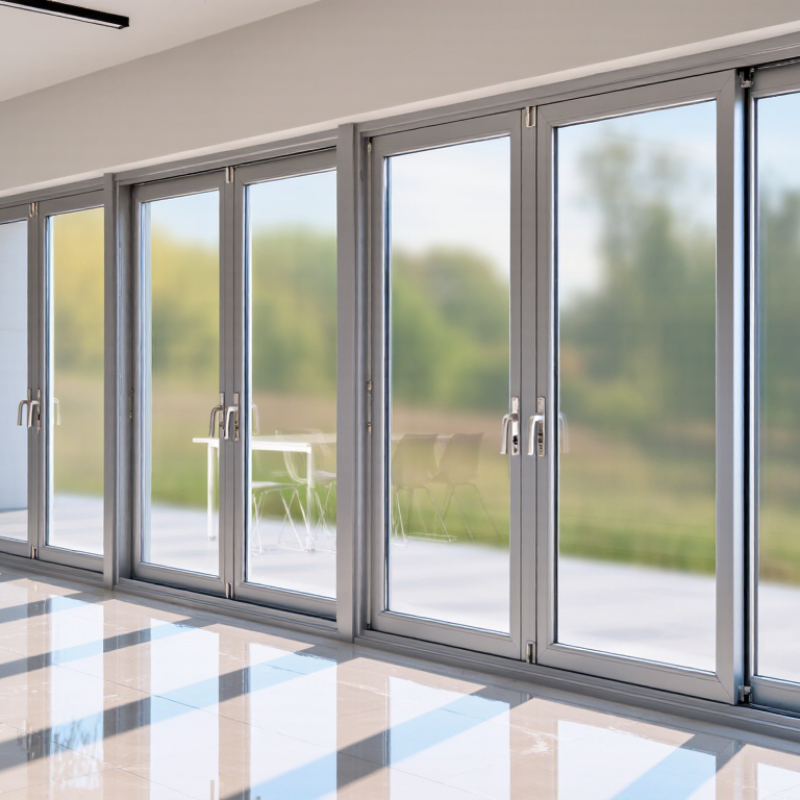
Top 10 Aluminium Sliding Window Manufacturers for Buyers

Understanding Aluminium Sliding Windows and Their Main Features

Understanding Aluminium Sliding Windows and Their Main Features

Aluminium sliding windows use sashes that move horizontally along tracks, making them useful where swing space is limited. Their slim frames can admit generous daylight and offer a clean view outdoors. Aluminium is strong for its weight, but the frame alone does not determine comfort. Thermal breaks, glazing, seals, and installation all affect heat transfer and air leakage. Smooth movement matters.

Track and roller quality influence how easily a sash opens, especially after years of use. Drainage channels help direct rainwater outward, while well-fitted seals reduce drafts and noise. A larger glass panel can brighten a room, yet it may also increase heat gain or loss if glazing is poorly matched to the climate. A wide opening seems convenient, but a heavy sash may feel less effortless than expected; this trade-off deserves attention.

Tips: Ask about frame thermal breaks, glass specifications, drainage, and roller access. Slide the sample sash several times; it should move evenly without scraping. Check whether tracks are easy to clean, since dust and grit can affect operation.

Criteria for Evaluating Aluminium Sliding Window Manufacturers

Choosing an aluminium sliding window manufacturer requires more than comparing catalogue prices. Start with the frame’s alloy specification, wall thickness, and finish quality. Ask how the manufacturer checks dimensional tolerances, because small inconsistencies can cause stiff panels or uneven gaps. Details matter. Request test data for air leakage, water penetration, and wind resistance, then confirm that the tested configuration matches the window you plan to buy. Glass, rollers, seals, and panel size can change performance.

Look closely at the sliding hardware. Rollers should move a loaded panel smoothly, and replacement parts should be available after installation. Ask about drainage paths and inspect sample corners for clean joins and secure seals. A factory visit or live production video can reveal how quality checks happen, but it cannot replace written specifications. Ask for proof. Clear warranty terms, installation guidance, and a named service contact are useful signs of dependable support. Also compare lead times and packaging methods; scratched frames can arrive even from an otherwise capable supplier. No checklist catches everything, and I would still want a full-size sample before approving a large order. A careful manufacturer should answer technical questions plainly and provide documents that buyers can verify.

Profiles of Ten Aluminium Sliding Window Manufacturers

These ten manufacturer profiles show different strengths rather than a single “best” factory. One integrated producer handles extrusion, cutting, assembly, and glazing under one roof. A thermal-break specialist focuses on insulated frames for cold or hot climates. A coastal-market maker emphasizes durable surface finishes and corrosion-resistant hardware. A custom fabricator accepts unusual opening sizes but may have longer lead times. A high-rise supplier designs larger panels and reinforces meeting rails. Ask for test data, not just catalogue claims.

Another five profiles include a retrofit maker whose frames suit existing openings, an acoustic specialist offering tested glass combinations, and a slim-frame producer prioritizing clear views. A regional manufacturer may deliver quickly and simplify service calls. An export-focused factory may provide careful packing and detailed product schedules. Still, a neat sample is not proof of consistent production. Check corner joints, drainage slots, rollers, and locking points on a finished unit.

Tips:Compare the same frame size, glass build-up, and hardware across suppliers. Request recent performance reports and a written warranty. If possible, inspect a working sample. Small details matter. A smooth showroom slide can feel different after months of dust and daily use.

Comparing Manufacturers by Products, Quality, and Service

Top 10 Aluminium Sliding Window Manufacturers for Buyers

Comparing Manufacturers by Products, Quality, and Service

A useful comparison starts with the actual opening, not a glossy catalogue. Check frame depth, glass options, thermal breaks, drainage paths, and available panel sizes. The U.S. Department of Energy’s Energy Saver guidance estimates that windows account for 25–30% of residential heating and cooling energy use. That makes performance ratings more than paperwork. Compare tested U-factor and solar heat gain coefficient values, and ask for reports that match the exact window configuration you plan to buy.

Quality also shows in small details. Rollers should move a full-size sash smoothly, without a gritty sound or uneven gap. Inspect corner joints, seals, locks, and finish samples for consistent coverage. Service matters just as much: confirm who measures on site, how replacement parts are supplied, and how warranty claims are handled. A polished sample can still hide a weak installation plan. And specifications alone do not guarantee a quiet, weather-tight window.

Tips: Request a written quotation with glass type, frame dimensions, hardware, test ratings, lead time, and installation scope. Ask for a spare roller price, too. It is easy to overlook. One honest caveat: comparing ratings is harder when suppliers test different sizes or configurations, so request like-for-like evidence before deciding.

What Buyers Should Check Before Selecting a Manufacturer

A reliable aluminium sliding window manufacturer should explain how its frames are made, not just show attractive photos. Ask for the aluminium alloy, temper, profile dimensions, and measured wall thickness. Compare these details with your project specification. A frame can look substantial but feel flimsy at the corners. Check samples closely. Look for smooth joints, even coating, and clean drainage slots.

Performance evidence matters. Request test reports for air leakage, water resistance, and wind pressure, and confirm that the tested configuration matches the window you plan to buy. Glass thickness, seals, rollers, and locking points all affect daily use. Ask how components are protected from corrosion, especially in coastal or humid locations. Details matter. Ask for records.

Production consistency is just as important as a good sample. Ask how the factory checks dimensions, coating quality, and hardware installation on finished units. Clarify packaging, delivery timing, spare-part availability, and the process for handling damaged items. A clear warranty is useful, but read its exclusions and service terms. If possible, speak with a recent customer or inspect a completed project. One thing buyers often overlook is maintenance access; rollers may need adjustment after years of use. I would not choose on price alone, though comparing quotes can expose missing items. Request a written specification before placing an order.

Top 10 Aluminium Sliding Window Manufacturers: What Buyers Should Check

Suggested evaluation weights for comparing manufacturers—not market statistics or ratings of specific companies.

Use these percentages as a starting point when building a shortlist. Check product test reports, applicable certifications, material and hardware specifications, warranty terms, customization options, and delivery capabilities; adjust the weights to suit your project.

FAQS

Why are aluminium sliding windows useful in compact rooms?

Their sashes move horizontally, so they need little swing space. Slim frames can bring in daylight. Smooth movement matters.

Which details affect comfort and energy performance?

Thermal breaks, glazing, seals, and installation influence heat transfer and drafts. A large glass panel can brighten a room, but poorly matched glass may increase heat gain or loss.

How can I check whether a sample sash works well?

Slide it several times and listen for scraping. It should move evenly. Check whether the tracks are easy to clean, since grit can affect the rollers.

What technical information should a manufacturer provide?

Ask for the alloy, temper, profile dimensions, and measured wall thickness. Request air, water, and wind test reports for the exact configuration you plan to order. Details matter.

How can buyers assess frame and coating quality?

Inspect sample corners for secure seals and clean joins. Look for even coating, smooth joints, and clear drainage slots. Appearance alone proves little.

What should I ask about hardware and maintenance?

Confirm that loaded panels move smoothly and replacement rollers are available. Ask how to reach and adjust them; maintenance access is easy to overlook.

Why should test reports match the ordered window?

Glass thickness, panel size, seals, rollers, and locking points can change performance. A report for another setup may not reflect your window. Good point.

What should I check before placing a large order?

Get written specifications, warranty exclusions, lead times, packaging details, and a service contact. If possible, inspect a full-size sample. I might still miss a detail, but photos alone feel insufficient.

Conclusion

This guide explores the key features of Aluminium Sliding Window systems, including their space-saving design, smooth operation, durability, and suitability for different building projects. It also explains how buyers can assess manufacturers by considering product range, material and finish quality, production capabilities, customization options, and the support available before and after purchase. Profiles of ten manufacturers offer a structured way to compare their strengths without assuming that one supplier is right for every project.

Before making a selection, buyers should compare product specifications, request samples or technical information, clarify lead times and order requirements, and confirm how installation guidance and after-sales service are handled. Careful evaluation of these factors can help match a manufacturer to a project’s budget, performance needs, and design preferences, leading to a more informed purchasing decision.

Ethan

Ethan

Ethan is a dedicated marketing professional with a deep understanding of the company’s products, customers, and industry landscape. With a strong combination of strategic thinking, market insight, and clear communication, he helps present complex product features in practical and engaging ways. His......