Choosing an Aluminium Door With Window in 2026 means balancing daylight, privacy, security, and everyday performance. The right design can brighten a dim hallway or connect a kitchen with the garden. Yet glass changes how a door feels and functions. A broad glazed panel may invite more light, but it can also reduce privacy or increase heat gain, depending on its orientation and specification. Looks can deceive.
Begin with the opening’s exact measurements, the direction it faces, and the room’s needs. Think about clear or textured glass, frame finish, thermal performance, and how the door will open when furniture is nearby. Check the manufacturer’s product data rather than relying on a showroom display. Ask about glazing options, locking hardware, weather seals, maintenance, and warranty terms. Confirm that the proposed product suits your climate and that installation will follow the supplier’s guidance. Small errors matter.
A useful comparison considers the whole door, not just its frame or glass. Two similar-looking models may differ in insulation, drainage details, or ease of adjustment. Request written specifications and clarify what the quoted price includes. If you are replacing an older door, inspect the surrounding frame and threshold; a new unit cannot fix every problem in the opening. I would not treat one feature as decisive. A highly glazed design may be lovely, but it is not automatically right for every home. This guide will help you weigh practical details, compare options, and choose with clearer expectations before ordering.
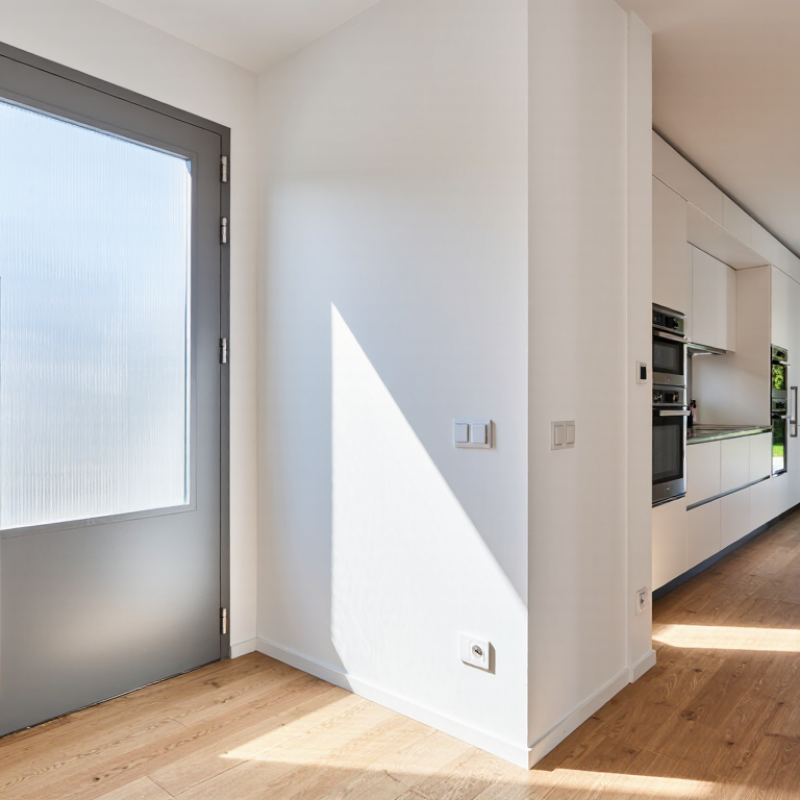
Identify the Door’s Location, Purpose, and Opening Requirements
Before choosing an aluminium door with window, identify where it will go. A busy kitchen entrance needs easy cleaning and a clear view; a front entry may need more privacy. For a patio opening, consider rain exposure, wind, and the direction people approach. A door that looks right in a showroom can feel awkward beside a narrow path.
Next, match the opening style to the room and available clearance. A hinged door needs space for its leaf to swing without hitting furniture, steps, or a nearby wall. Sliding or folding options may suit tighter areas, but check the clear passage width and threshold height. Measure the opening in several places. Older frames are rarely perfectly square, and that detail can complicate installation.
Tips: Mark the door swing on the floor with tape, then walk through the space. Clearance matters. The U.S. Department of Energy’s Energy Saver guidance estimates that windows account for about 25%–30% of residential heating and cooling energy use. That figure concerns windows, not doors specifically, but it shows why glazing area and orientation deserve attention. Compare the glass specification with the room’s sun exposure; a bright west-facing entrance may need different solar control from a shaded hallway. I would not choose by appearance alone.
FAQS
Match the door to its location. A busy kitchen may need easy-clean glass and a clear view, while an entry may need more privacy.
Hinged doors need room to swing. Sliding or folding styles may suit tighter areas, but check the clear passage width and threshold height. Clearance matters.
Measure the width and height in several places. Older frames may be uneven or out of square, which can complicate installation. Measure twice.
Check the whole door’s U-factor and solar heat gain rating, not only the glass specification. A lower U-factor generally means less heat transfer. Windows can account for about 25–30% of home heating and cooling energy use, though that figure is not specific to doors.
Ask for tested air-leakage and water-penetration results for the door’s size and configuration. Check the gaskets, corner joints, sill drainage, and finish. A strong frame alone is not enough.
Request itemised costs for removing the old frame, disposal, trims, glazing, and opening repairs. Uneven brickwork or a narrow hallway may add labour. Get assumptions in writing.
Frame, glass, hardware, and installation may have different terms. Ask whether labour is covered for a failed seal or hinge adjustment. Read the wording slowly; sales conversations can leave gaps.
Wipe the frame with mild soapy water and clear grit from the sill. Check drainage slots, handles, hinges, and seals a few times each year. Avoid harsh cleaners. Easy to forget. Ask how replacement parts are sourced, too.
Conclusion
Choosing an Aluminium Door With Window in 2026 starts with understanding where it will be installed, how it will be used, and which opening direction and size suit the space. Consider the balance between natural light, privacy, ventilation, and visibility when comparing door styles, window placements, and glazing options. The right design should complement the room or entrance while meeting practical everyday needs.
Before deciding, assess the frame’s construction, insulation, and resistance to rain, wind, and temperature changes. Review locking and other security features, ease of access, and any applicable building requirements. Compare the full installation cost rather than just the door price, and check what the warranty covers. Finally, consider how much routine cleaning and maintenance the door may need. Looking at these factors together can help you choose a durable, comfortable option that fits your space and budget.