0%

Choosing an Aluminum Door With Window in 2026 means balancing daylight, security, comfort, and long-term durability. A bright entryway can feel welcoming, but poorly selected glazing may create glare, drafts, or fading near the threshold. The details matter. Frame depth, glass type, thermal breaks, hardware, and installation all affect how the finished opening performs.

The U.S. Department of Energy reports that “heat gain and heat loss through windows are responsible for 25%–30% of residential heating and cooling energy use.” That figure concerns windows generally, not aluminum doors alone, but it highlights why glass and frame performance deserve close attention. Building scientist and fenestration researcher Dr. Stephen Selkowitz has emphasized the value of treating windows as part of the building’s overall energy strategy. Applied to a glazed door, that means assessing the complete assembly—not choosing by frame appearance alone.

This guide examines practical questions buyers can compare: insulated glass options, thermal-break construction, weather seals, certified performance ratings, and hardware suited to daily use. Look for clear product documentation, including applicable NFRC ratings, and confirm that the door fits your climate and wall conditions. A showroom sample may look impressive; the installed door still has to seal properly in wind and rain. No single specification guarantees a good result. The right choice depends on the opening, exposure, budget, and installer’s workmanship.
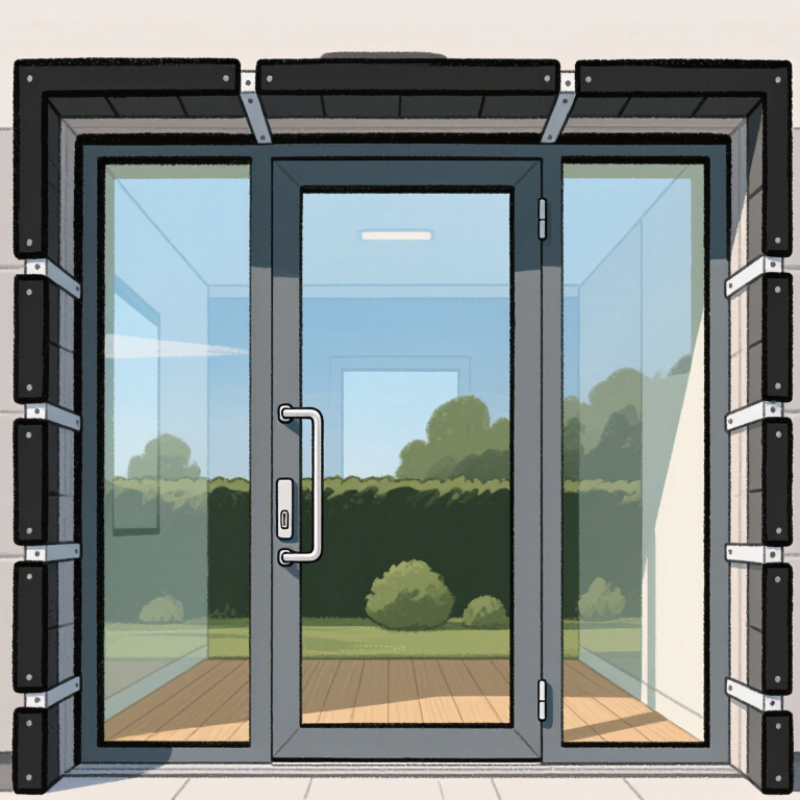
How to Choose the Best Aluminum Door With Window in 2026?

Define Your Needs, Site Conditions, and Budget

How to Choose the Best Aluminum Door With Window in 2026?
Define Your Needs, Site Conditions, and Budget

Start with how the door will work each day. A patio entrance may need a wide opening, while a side door may prioritize privacy and secure hardware. Note the opening’s width, nearby furniture, and how much daylight you want. Site conditions matter, too. A west-facing wall can receive strong afternoon sun; exposed locations may need careful attention to wind-driven rain and drainage. This step is easy to rush, and assumptions can get expensive.

The U.S. Department of Energy estimates that heat gain and loss through windows account for about 25–30% of residential heating and cooling energy use. That national estimate is not a guarantee for one home, but it shows why glazing and frame performance deserve attention. Compare NFRC-rated U-factor and solar heat gain coefficient, then ask whether the aluminum frame includes a thermal break. Check the full installed cost, including glazing, hardware, flashing, and labor. A low quote may leave out details that matter.

Tips: Measure the opening in several places, and record the smallest width and height. Ask the installer how the sill will drain and how the frame will meet the wall. Set a budget with room for installation surprises. A few millimeters can change the fit.

Compare Door Configurations, Window Styles, and Glazing

How to Choose the Best Aluminum Door With Window in 2026?
Compare Door Configurations, Window Styles, and Glazing

The right configuration depends on how people move through the space. A full-lite door brings daylight into a shaded entry, while a half-lite design keeps more of the lower panel solid. Sidelights can brighten a narrow hallway, but they need enough wall space. Consider where furniture, walkways, and sightlines fall before choosing glass placement. Small details matter. An attractive layout can still feel exposed at night.

Tips: Match glazing to the room’s needs. Double glazing can help reduce heat transfer, while low-emissivity coatings may suit sunny exposures. Ask for documented performance details, including thermal and air-leakage ratings, rather than relying on appearance alone. For doors near busy paths, check whether the selected glass has suitable safety properties. The frame matters too: aluminum with a thermal break can limit heat flow through the frame.

Think about light at different times of day. A west-facing window may create glare in late afternoon, while textured or partially obscured glass can soften views without blocking all daylight. Measure the opening carefully and confirm that the proposed frame and glazing fit local weather conditions. Installation quality affects how well the door seals and operates. I would compare samples in the actual room, though that can be inconvenient; small samples never show the full effect of changing light.

How to Choose an Aluminum Door With Windows in 2026

Compare glazing by U-factor: a lower value means less heat transfer through the glass. These approximate reference values illustrate common glazing options; actual performance depends on the complete door, including its frame, glass area, and installation.

Use this chart as a starting point, not a product rating. Compare certified whole-door performance, door configuration, and window style for your climate and privacy needs.

Evaluate Aluminum Frames, Thermal Performance, and Durability

An aluminum door with a window can bring daylight into an entryway, but frame quality matters as much as the glass. Look for straight corners, even joints, and glazing with no visible gaps. Check whether the frame includes a thermal break, an insulating layer between its inner and outer aluminum sections. This helps limit heat transfer and cold interior edges. Small details matter. Ask for the door’s U-factor and compare figures measured by the same method. Glass, seals, and installation all affect performance; a well-made frame cannot fix a poor fit.

Durability depends on more than a thick-looking frame. Inspect the finish for consistent coverage, and ask how the door handles moisture and everyday scratches. Aluminum resists many forms of corrosion, but damaged coatings and neglected water drainage can still cause problems over time. Test the handle and hinges; the door should move smoothly without scraping. Check weatherstripping for a snug, continuous contact around the edges. On a windy or rainy site, these details matter. I would not judge a door by frame thickness alone—that is an easy mistake. A very large window may also trade some insulation and privacy for more light, so consider the room’s exposure and how you use it.

Check Security Features, Accessibility, and Building-Code Compliance

When choosing an aluminum door with a window, check the complete assembly, not just the lock. Ask for test documentation covering the frame, hardware, glazing, and their connections. A strong deadbolt is less reassuring if the frame flexes or glass sits beside the latch. Laminated safety glazing can help hold fragments together after impact, while the required glass type depends on the opening and local code. I still double-check this. Product claims alone do not show how an installed door performs.

Accessibility needs equal attention. The U.S. Access Board’s 2010 ADA Standards specify at least 32 inches of clear opening for accessible doors. They also set a 5-pound maximum opening force for many interior hinged doors; exterior doors have different requirements. Check the actual clear width with the door open, and test the handle from a seated position. A narrow stile may look clean but leave little room for comfortable grip.

Building-code rules vary by location and occupancy. The 2021 International Building Code and referenced safety-glazing standards address matters such as egress and glazing near doors; confirm the edition adopted by your local authority. Ask the installer to document the door’s applicable test ratings and hardware schedule. Then inspect the sill, closer, and lock operation after installation. Small gaps matter, and specifications can be easy to misread.

Compare Quotes, Warranties, Installation, and Maintenance Needs

When comparing aluminum doors with windows, ask for itemized quotes. A low price may exclude glazing, hardware, trim, or disposal of the old door. Check the frame finish, glass type, locking system, and delivery charges line by line. Ask whether the quote includes measuring and fitting. Small omissions can change the final cost.

Compare warranties by component, not just by headline length. The frame, finish, glass, and hardware may have different coverage periods. Read the exclusions, especially those related to coastal exposure, cleaning products, or installation errors. Get the warranty terms in writing. Keep the invoice and care instructions together. They are easy to misplace.

Installation affects how well the door seals and operates. Ask who will measure the opening, how the frame will be leveled, and whether the installer checks for drafts afterward. A neat-looking fit is not enough. You might also ask about fixing uneven floors or damaged trim; those jobs can add time and cost. Maintenance is usually simple: rinse dust from tracks, wipe the frame with mild soapy water, and check seals for gaps. Avoid abrasive pads. Even with careful upkeep, finishes can age unevenly in strong sun, and that detail is easy to underestimate.

How to Choose the Best Aluminum Door With Window in 2026? - Compare Quotes, Warranties, Installation, and Maintenance Needs

Price figures are broad U.S. planning estimates in USD for a single exterior door with glazing, including typical installation. Actual quotes vary by location, dimensions, glass, finish, site conditions, and product specifications; obtain itemized local quotes.
Configuration Indicative installed budget Glazing and thermal details to compare Warranty questions Installation checks Typical upkeep
Standard single door, non-thermally broken frame About $1,000–$2,500 Confirm the glass type, safety-glazing requirements, and product-specific NFRC U-factor. A non-thermally broken frame can transfer heat more readily than a thermally broken frame. Check separate coverage periods and exclusions for the frame, finish, insulated glass seal, hardware, and labor. Ask whether labor is covered for the full term. Verify opening measurements, sill condition, flashing, perimeter sealant, and whether trim or disposal is included in the quote. Clean with mild soap and water; inspect weatherstripping, sealant, drainage paths, and hardware at least annually.
Standard single door, thermally broken frame About $1,500–$3,500 A thermal break separates the interior and exterior aluminum sections to reduce heat transfer. Compare the complete door’s certified ratings, not frame construction alone. Request the written warranty and confirm who handles claims. Check whether corrosion, finish fading, condensation, and glass-seal failure are addressed. Ask the installer to document plumb, level, square, operation, lock engagement, and a continuous weather seal after installation. Routine washing and annual checks are generally sufficient; lubricate moving hardware only as directed by its manufacturer.
Door with a larger glazed panel or decorative glass About $1,800–$4,500 More glass can increase daylight and reduce privacy. Compare clear, obscured, laminated, or low-emissivity options and check local safety-glazing rules for the door location. Confirm whether decorative inserts, glazing seals, and replacement glass have separate terms or exclusions. Confirm glass size and configuration on the order; establish how the installer protects the glazing during handling and fitting. Use non-abrasive glass cleaner and a soft cloth. Avoid harsh chemicals on glass coatings, frame finishes, and sealants.
Custom-size door or nonstandard opening About $2,500–$6,000+ Made-to-measure units can accommodate unusual openings, but dimensions, glass area, and options affect lead time and price. Request the final configuration and ratings in writing. Ask whether custom products have different cancellation, return, or warranty terms, and who is responsible for measurement errors. Have the installer verify the rough opening before the order is released. Specify responsibility for structural repairs, reframing, and finishing work. Maintenance is similar to other aluminum doors; inspect exposed sealant and weatherstripping more often in harsh weather.
Double-door or door-and-sidelight assembly About $3,000–$7,000+ A wider glazed opening can bring in more light but adds joints and hardware. Compare the full assembly’s ratings and confirm the active leaf, inactive leaf, and locking points. Check coverage for the complete assembly, including hinges, multipoint locks, sidelights, and any shared or adjoining seals. Ensure the threshold is level and both leaves align; test latches, flush bolts, and weather seals before accepting the work. Clean and inspect each operating part; check alignment and hardware adjustment annually or if the doors begin to bind.

Quote checklist: request the same door size, glass specification, finish, hardware, removal and disposal, flashing, trim, tax, installation scope, and warranty terms from each contractor. Compare the written total and exclusions—not just the starting price.

FAQS

How do I choose between full-lite and half-lite doors?

Full-lite doors bring more daylight into shaded entries. Half-lite designs keep more of the lower panel solid.

When are sidelights a good choice?

Sidelights can brighten a narrow hallway. Check wall space, furniture placement, and nighttime privacy before adding them.

Which glazing details should I compare?

Double glazing can reduce heat transfer, and low-emissivity coatings may help on sunny sides. Ask for documented thermal and air-leakage ratings. Appearance alone tells little.

How can I reduce glare while keeping daylight?

West-facing glass may create afternoon glare. Textured or partly obscured glazing can soften views without blocking all daylight.

What should I check for security and glass safety?

Review the whole assembly: frame, hardware, glazing, and connections. Laminated safety glazing can help hold fragments together after impact. Confirm suitable ratings and local requirements.

What accessibility details matter?

In the United States, accessible doors generally need at least 32 inches of clear opening. Check the actual open width and test the handle from a seated position.

Do building-code requirements stay the same everywhere?

No. Rules vary by location and building use. Ask the local authority which code edition applies, and request relevant test documents.

What should I inspect after installation?

Check the sill, seals, closer, and lock operation. Small gaps matter. I would inspect them twice; perhaps that is fussy, but it can reveal problems.

Conclusion

Choosing the best Aluminum Door With Window in 2026 starts with understanding how and where it will be used. Consider the room, available space, local weather, privacy needs, desired natural light, and your overall budget. Then compare suitable door configurations and window styles, along with glazing options that balance visibility, insulation, and comfort.

Look beyond appearance when assessing frame quality, thermal performance, and resistance to everyday wear. Check that the door’s security features, threshold, and opening method suit the people who will use it, and confirm that the design meets applicable building requirements. Before deciding, compare detailed quotes, warranty coverage, installation arrangements, and expected maintenance. A well-chosen door should fit the setting, perform reliably, and remain practical to care for over time.

Ethan

Ethan

Ethan is a dedicated marketing professional with a deep understanding of the company’s products, customers, and industry landscape. With a strong combination of strategic thinking, market insight, and clear communication, he helps present complex product features in practical and engaging ways. His......